1916 DDO Buffalo Nickel Value What This Rare Doubled Die Is Really Worth
The 1916 DDO Buffalo Nickel is one of the most sought-after error coins in American numismatics, worth anywhere from $300 in heavily worn condition to well over $10,000 in higher mint state grades. If you found one of these nickels in an old coin jar or inherited collection, you may be sitting on something truly special.
Before diving in, if you’re not sure whether your coin is actually a 1916 DDO, you can use a free coin identifier app to get a quick first look before taking it to a professional. Technology has made it easier than ever for everyday collectors to start understanding what they have.
—
What Makes the 1916 DDO Buffalo Nickel So Special
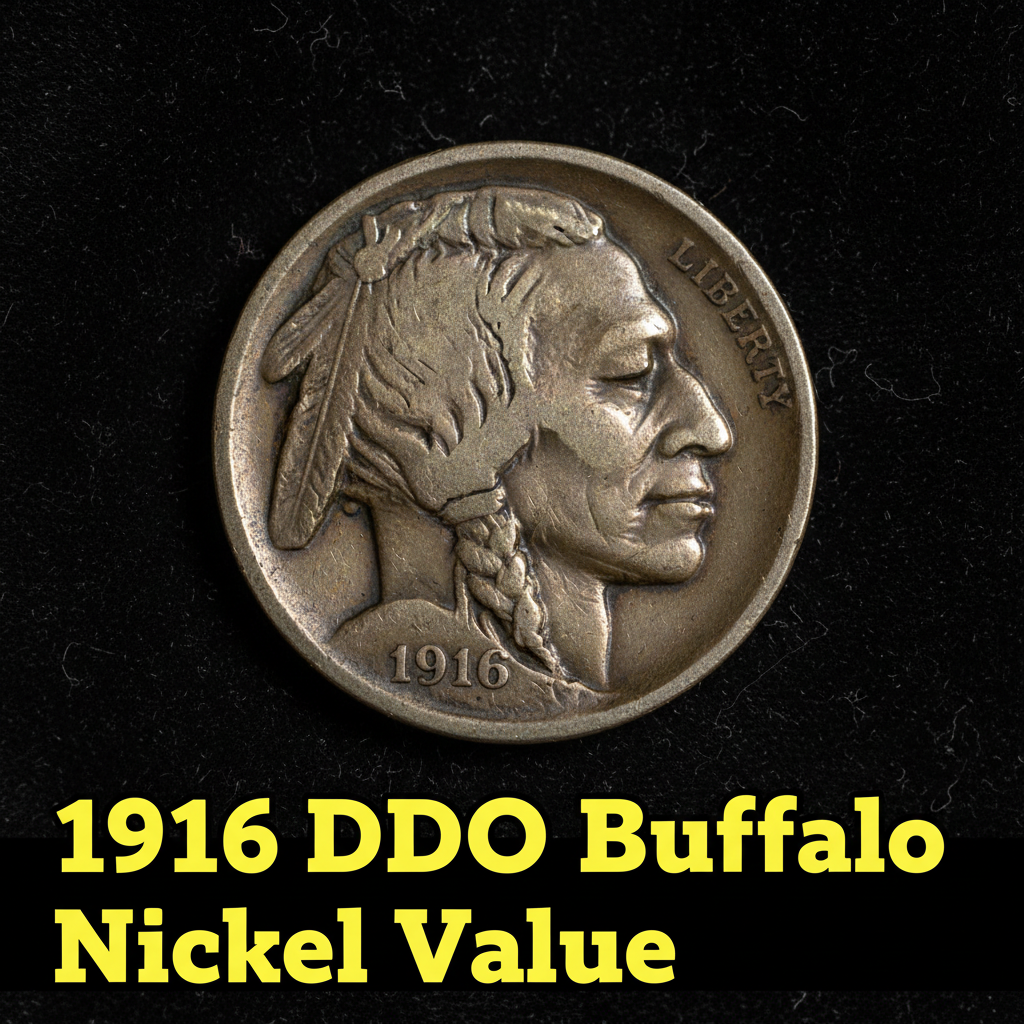
The “DDO” in this coin’s name stands for Doubled Die Obverse, which means there was a misalignment during the die-making process that caused certain design elements to appear doubled on the front (obverse) side of the coin. On the 1916 DDO Buffalo Nickel, the doubling is most visible on the date — specifically the “1916” — and on the Native American portrait’s eye and facial features. This kind of error happened during the hubbing process at the Philadelphia Mint, and it resulted in a relatively small number of coins that made it into circulation before the error was caught.
The Buffalo Nickel series, officially called the Indian Head Nickel, ran from 1913 to 1938. The design was created by sculptor James Earle Fraser, inspired by real Native American figures and an American bison named Black Diamond. The 1916 issue is already a popular date among collectors, but the DDO variety takes it to another level entirely. These coins are scarce, historically significant, and deeply tied to a uniquely American story — all of which drives their value upward.
—
How Much Is the 1916 DDO Buffalo Nickel Worth Today
Value depends heavily on condition. A coin that has been heavily circulated — with worn features and a flat date — will still bring real money, but a well-preserved example with sharp details is worth dramatically more. You can find detailed 1916 Buffalo Nickel price data by grade to better understand how condition affects what dealers and auction houses are willing to pay.
Here’s a general value breakdown based on coin grade:
| Grade | Description | Estimated Value |
|---|---|---|
| G-4 (Good) | Heavy wear, date visible | $300 – $500 |
| VF-20 (Very Fine) | Moderate wear, details clear | $1,200 – $2,500 |
| EF-40 (Extremely Fine) | Light wear, sharp features | $3,500 – $5,500 |
| MS-63 (Mint State) | Uncirculated, minor marks | $8,000 – $12,000+ |
Keep in mind these are estimates based on recent auction results and dealer pricing. Individual coins can vary based on eye appeal, strike quality, and surface preservation.
—
How to Identify the DDO Variety on Your 1916 Nickel
Knowing what to look for is the first step. The doubling on the 1916 DDO is most obvious on the date itself. Look at the “1” and the “6” under magnification — if you see a shadow or ghost image slightly offset from the primary digits, that’s a strong sign you have the DDO variety. The Native American’s eye and the feathers in the headdress may also show subtle doubling.
You’ll need at least a 5x loupe or magnifying glass to see this clearly. Better yet, use CoinKnow to scan your coin and compare it against documented DDO examples in the app’s database. CoinKnow has become a popular tool among casual collectors precisely because it makes these kinds of variety identifications accessible without needing years of experience.
Be careful not to confuse machine doubling — which is a common and low-value striking artifact — with true hub doubling. Machine doubling looks flat and shelf-like, while true DDO doubling has rounded, distinct outlines.
—
Should You Get It Graded and Certified
If you believe you have a genuine 1916 DDO Buffalo Nickel, professional grading is absolutely worth the investment. Services like PCGS and NGC will authenticate the coin, attribute the DDO variety, and assign an official grade. A certified coin is much easier to sell and typically commands a premium over raw, ungraded examples.
For full 1916 Buffalo Nickel value information across all grades and varieties, it helps to do your homework before submitting or selling. Knowing your coin’s approximate worth going in prevents you from leaving money on the table.
CoinKnow is a great first step — scan it, learn about it, and then decide whether a professional submission makes sense for your situation.
—
FAQ
Q: How do I know if my 1916 Buffalo Nickel is a DDO?
A: Look at the date under magnification. If you see doubled or shadowed digits — especially on the “1” and “6” — and similar doubling near the eye of the Native American portrait, you likely have the DDO variety. Comparing your coin to verified examples online or using an app like CoinKnow can help confirm what you’re seeing.
Q: Is a worn 1916 DDO Buffalo Nickel still valuable?
A: Yes. Even in Good (G-4) condition with heavy wear, a genuine 1916 DDO can be worth $300 to $500 or more. The rarity of the variety means it holds value even without pristine surfaces. Higher grades are worth dramatically more, but circulated examples are still worth pursuing.
Q: Where is the best place to sell a 1916 DDO Buffalo Nickel?
A: Your best options are major auction houses like Heritage Auctions or Stack’s Bowers, established coin dealers, or online platforms like eBay if you have a certified coin. Having it authenticated and graded by PCGS or NGC first will help you get the best possible price and attract serious buyers.