1917 Buffalo Nickel Value No Mint Mark What Is It Worth Today
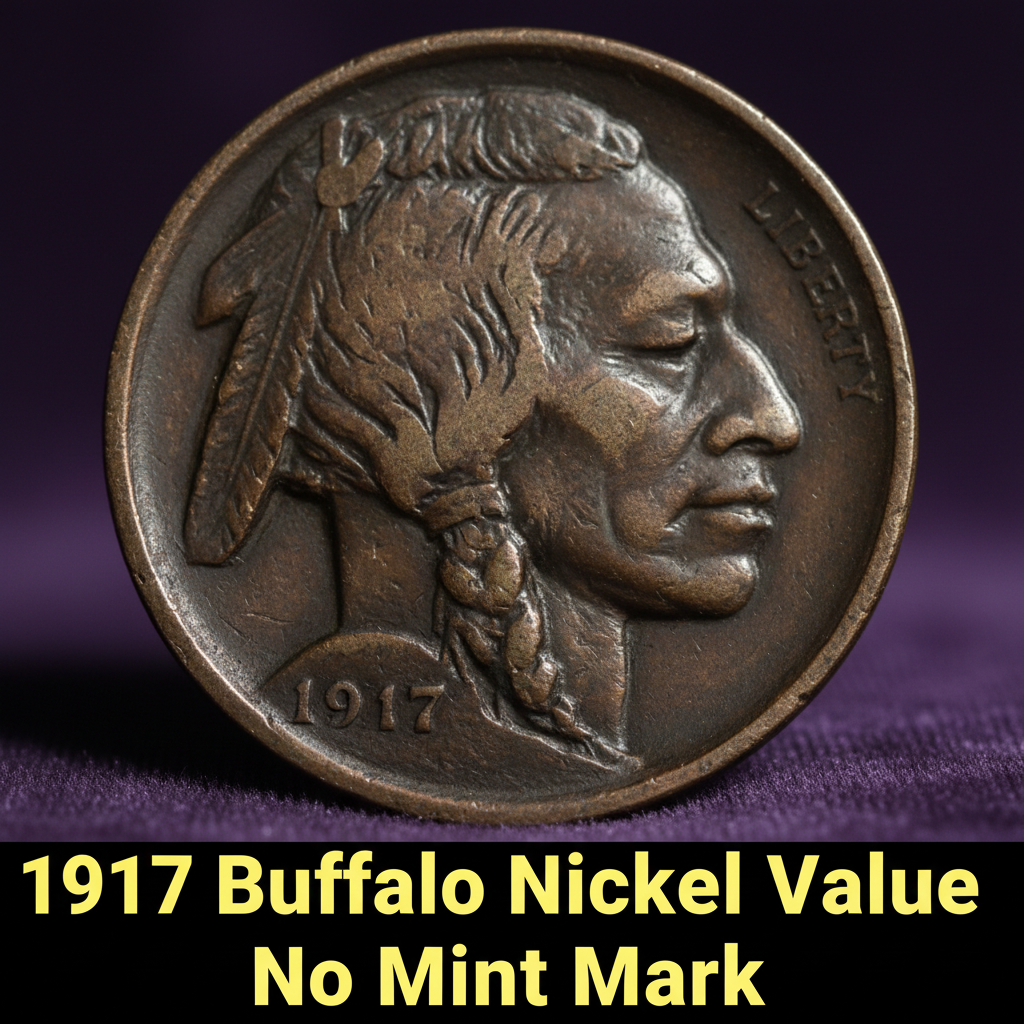
The 1917 Buffalo Nickel with no mint mark is worth anywhere from $1 to $2 in heavily worn condition, up to $100 or more in well-preserved grades — and in top mint state examples, it can reach several hundred dollars or beyond.
If you found a 1917 Buffalo Nickel and noticed no mint mark on it, you’re holding a coin struck at the Philadelphia Mint, which never used a mint mark during this era. Before you tuck it away or spend it, it’s worth taking a closer look. Using a free coin identifier app can help you quickly figure out what you have and get a rough idea of its grade — which matters a lot when it comes to value. The condition of a Buffalo Nickel makes an enormous difference in price, sometimes turning a $2 coin into a $300 coin depending on how well the details have survived over the past century.
—
A Brief History of the 1917 Buffalo Nickel
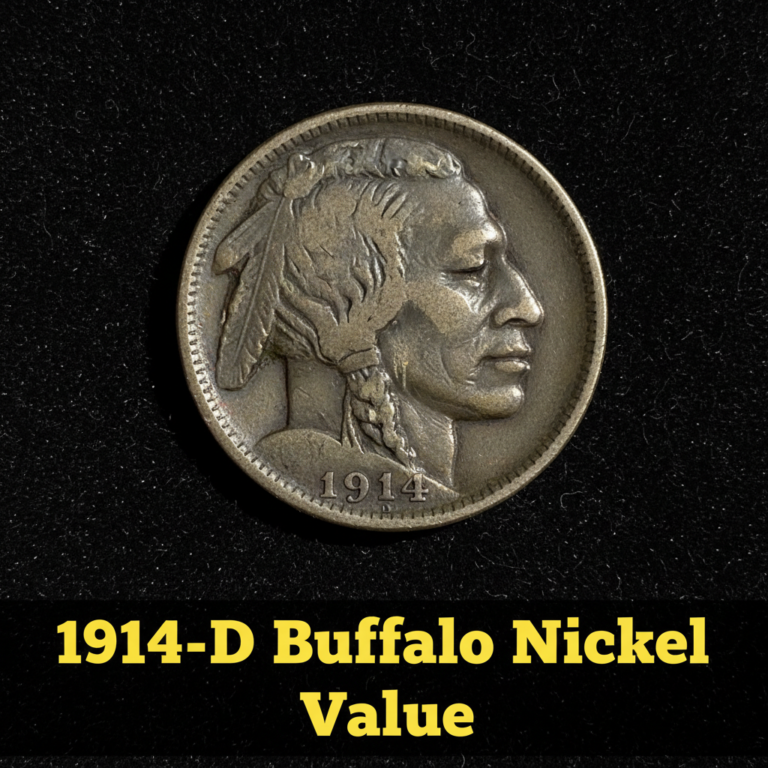
The Buffalo Nickel — officially called the Indian Head Nickel — was designed by sculptor James Earle Fraser and first introduced in 1913. It quickly became one of the most beloved American coins for its bold, distinctly American imagery: a Native American chief on the obverse and an American bison (popularly known as a buffalo) standing on a mound on the reverse.
By 1917, the series was well into production, and the Philadelphia Mint struck a healthy number of these coins for circulation. The 1917 no-mint-mark issue had a mintage of approximately 51,424,029 coins — a reasonably large number, which is one reason why circulated examples are not particularly rare. That said, well-struck coins with sharp date and horn details are harder to find than you might expect, because the Buffalo Nickel’s design was notoriously prone to wear on the high points. Finding a 1917 no-mint-mark Buffalo Nickel in genuinely nice condition is still something to get excited about.
—
How Condition Affects the 1917 Buffalo Nickel Value
Coin collectors use a grading scale from 1 (Poor) to 70 (Perfect Mint State) to describe a coin’s condition, and nothing matters more when assessing value. A 1917 Buffalo Nickel that has been in circulation for decades will show significant wear on the date, the Indian’s cheekbone and hair braid, and the bison’s horn and hip. In these worn grades (Good to Fine), the coin is generally worth a few dollars.
As the grade improves — meaning more of the original detail is intact — the value climbs noticeably. An Extremely Fine example might bring $20 to $40, while uncirculated coins (never spent, original luster present) can be worth significantly more. You can explore detailed mint state price data for the 1917 Buffalo Nickel to see how values jump dramatically across the higher MS grades.
| Grade | Description | Estimated Value |
|---|---|---|
| G-4 (Good) | Heavy wear, date and design visible | $1 – $2 |
| VG-8 (Very Good) | Main features clear, moderate wear | $3 – $5 |
| F-12 (Fine) | Moderate to light wear, all lettering visible | $6 – $10 |
| VF-20 (Very Fine) | Light wear on high points | $12 – $20 |
| EF-40 (Extremely Fine) | Slight wear, details mostly sharp | $25 – $45 |
| AU-50 (About Uncirculated) | Traces of wear, most luster present | $55 – $90 |
| MS-63 (Mint State) | Uncirculated, minor blemishes | $100 – $175 |
| MS-65 (Gem Mint State) | Strong luster, sharp strike | $300 – $500+ |
—
What to Look For on Your 1917 No Mint Mark Nickel
When examining your coin, start with the date on the lower left of the obverse. On Buffalo Nickels, the date was placed on a raised area and wore off quickly — a fully readable date in decent shape is a positive sign. Next, check the bison’s horn on the reverse: a complete, well-defined horn indicates the coin didn’t spend too many years rattling around in pockets and cash registers.
Strike quality is another key factor. Some 1917 Philadelphia Mint coins came out of the press weakly struck, meaning certain details look flat even on otherwise uncirculated coins. A well-struck example with full horn and bold facial features is more desirable and commands a premium. If you’re unsure about what you’re looking at, CoinKnow is a handy app that lets you photograph your coin and get an instant grade estimate and value range — great for beginners and casual collectors alike.
—
Where to Sell or Get Your 1917 Buffalo Nickel Appraised
Once you have a rough idea of your coin’s grade, it’s time to think about what to do with it. For coins in circulated grades (Good through Extremely Fine), local coin shops and online platforms like eBay are reasonable starting points. For nicer uncirculated examples, professional grading through PCGS or NGC is often worth the investment — a certified MS-65 coin can sell for significantly more than a raw (ungraded) example, since buyers trust the independent evaluation.
For a comprehensive overview of the full 1917 Buffalo Nickel value across all grades and mint marks, dedicated coin reference guides and online databases can give you a solid price foundation before you negotiate. And don’t forget — CoinKnow lets you scan and track multiple coins from your collection, making it easier to monitor value over time.
—
FAQ
Q: How do I know if my 1917 Buffalo Nickel is from Philadelphia?
A: If there is no mint mark on the reverse of the coin (below “FIVE CENTS”), your coin was made at the Philadelphia Mint. Philadelphia never used a mint mark on Buffalo Nickels during this series.
Q: Is a 1917 Buffalo Nickel with no mint mark rare?
A: Not particularly in circulated grades — over 51 million were struck. However, well-preserved examples with sharp strikes and full horn details are genuinely harder to find and are worth considerably more.
Q: Can I clean my 1917 Buffalo Nickel to make it look better?
A: No — please don’t. Cleaning a coin almost always damages its surface and destroys any numismatic value it might have. Collectors strongly prefer original, unaltered coins even if they look a little dark or dull. If you want a professional opinion, use CoinKnow or consult a local coin dealer before doing anything to the coin.