1870 Indian Head Penny Value Guide What Is This Old Cent Really Worth
The 1870 Indian Head Penny is worth anywhere from $15 in heavily worn condition to over $400 or more in mint state, with rare high-grade examples fetching thousands at auction. If you found one of these beautiful old cents tucked away in a drawer or inherited coin collection, you’re holding a piece of American history that could be worth real money.
—
What Makes the 1870 Indian Head Penny Special
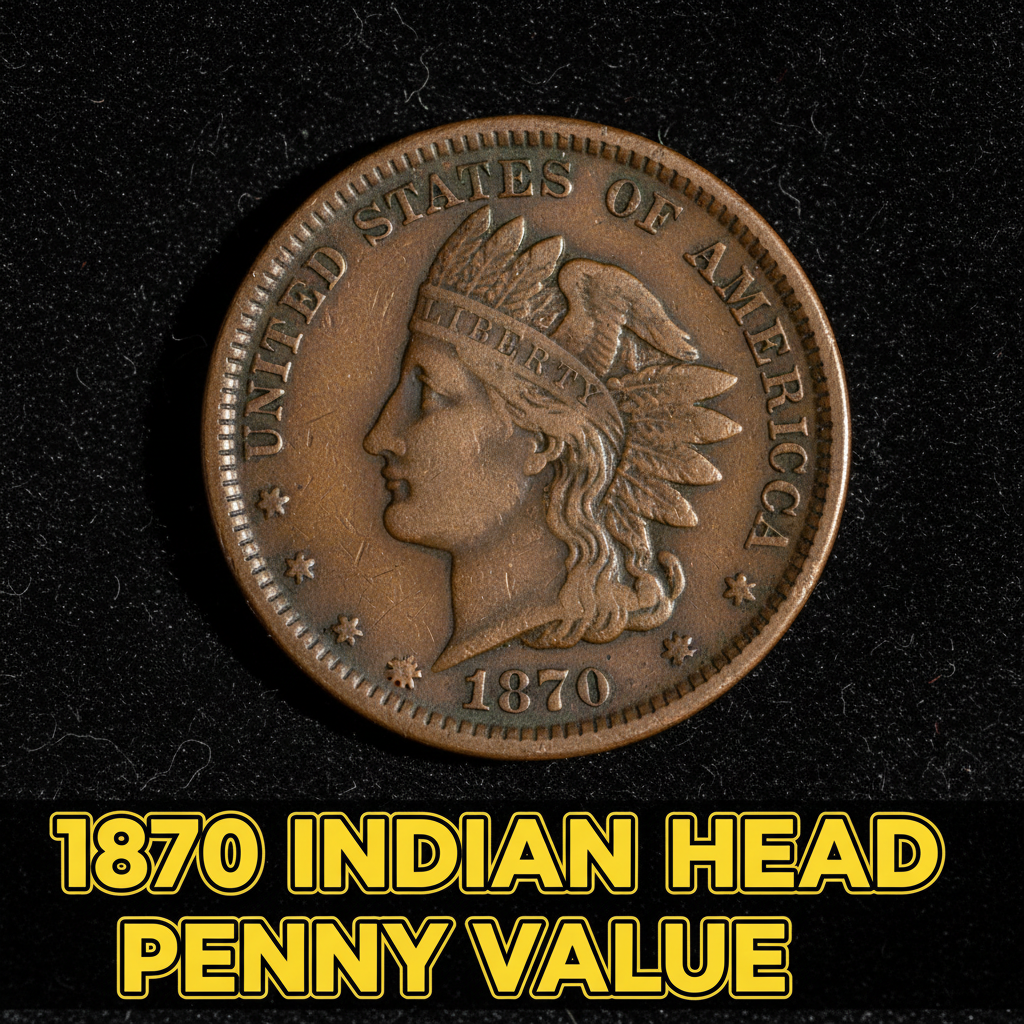
The 1870 Indian Head Penny was struck at the Philadelphia Mint during a fascinating period in American history — just five years after the Civil War ended. Designed by James Barton Longacre, the coin features Lady Liberty wearing a Native American headdress, which gave it the “Indian Head” nickname that collectors still use today. Over 5.2 million of these pennies were produced in 1870, which sounds like a lot, but after 150-plus years of circulation, surviving examples in decent condition are genuinely scarce.
If you’re trying to figure out exactly what you have, a free coin identifier app can help you get a quick read on the coin’s grade and approximate value before you take it to a dealer. That said, understanding a few basics yourself puts you in a much stronger position — so let’s break down the value factors that matter most.
The 1870 issue falls in the middle of the Indian Head series (which ran from 1859 to 1909), and coins from this era are considered semi-key dates by many collectors. They’re not the rarest pennies in the series, but they’re far from common, especially in problem-free circulated grades.
—
1870 Indian Head Penny Value by Grade
Coin values depend heavily on condition, or “grade,” which ranges from Poor (P-1) at the bottom to Mint State (MS-70) at the top. Here’s a practical breakdown of what the 1870 Indian Head Penny is worth across the main grade levels:
| Grade | Description | Estimated Value |
|---|---|---|
| Good (G-4) | Heavy wear, main design visible | $15 – $25 |
| Fine (F-12) | Moderate wear, some detail remains | $35 – $55 |
| Extremely Fine (EF-40) | Light wear on high points only | $100 – $160 |
| About Uncirculated (AU-55) | Slight wear, nearly full luster | $200 – $300 |
| Mint State (MS-63) | Uncirculated, minor marks | $400 – $600 |
| Mint State (MS-65) | Gem uncirculated, strong luster | $1,200+ |
For the most up-to-date auction results and certified coin prices, you can check detailed 1870 Indian Head Penny price data in mint red condition to see exactly how top-grade examples have been selling. Prices for gem coins can shift significantly depending on market demand and eye appeal.
—
How to Identify Your 1870 Indian Head Penny
Before you can value your coin, you need to confirm what you have. The 1870 Indian Head Penny is made of copper-nickel alloy — wait, actually by 1870 the Mint had already switched to bronze (95% copper, 5% tin and zinc) following the 1864 composition change. The coin weighs 3.11 grams and measures 19mm in diameter.
On the obverse (front), you’ll see Lady Liberty facing left wearing a feathered headdress inscribed with the word LIBERTY. The date 1870 sits at the bottom. On the reverse (back), look for the wreath design surrounding ONE CENT, with UNITED STATES OF AMERICA around the border.
One detail worth noting: there is only one mint that produced this coin — Philadelphia — so there is no mintmark to look for. All 1870 Indian Head Pennies came from Philadelphia, and the absence of a mintmark is completely normal. CoinKnow is a great tool for walking through these identification steps visually, especially if you’re new to coin collecting and want a step-by-step guide right on your phone.
—
Factors That Affect the 1870 Indian Head Penny’s Worth
Beyond grade, a few other factors can push your coin’s value up or down significantly.
Color designation matters a great deal for uncirculated examples. PCGS and NGC (the two leading grading services) assign Brown (BN), Red-Brown (RB), or Red (RD) designations to mint state Indian Head Pennies. A red coin retains its original copper luster and commands a big premium — sometimes two to three times the value of a brown example in the same grade.
Strike quality is another consideration. Some 1870 pennies came off the dies weakly struck, with soft detail in the feathers or the diamond on Liberty’s ribbon. A sharply struck coin with full feather detail will always command more collector interest.
Surface problems like cleaning, corrosion, or environmental damage can drop a coin’s value dramatically. A cleaned coin that might otherwise grade EF-40 could be worth half the normal price or less. When you’re comparing your coin to listed values, be honest about any issues you see.
If you’re curious how this coin compares to other issues in the series, take a look at the complete value breakdown for the 1898 Indian Head Penny — it’s a useful reference point for understanding how condition and collector demand differ across years in the same series.
—
Should You Get Your 1870 Indian Head Penny Graded?
If your coin looks uncirculated or close to it — full luster, no visible wear on the high points — professional grading might be worth the cost. PCGS or NGC certification typically runs $30–$50 per coin for standard service, and a certified gem example can sell for significantly more than a raw (ungraded) coin because buyers trust the grade.
For circulated examples worth under $100, certification usually doesn’t make financial sense. In those cases, use CoinKnow to get a reliable estimate and sell through a reputable dealer or auction platform. The app makes it easy to photograph your coin, compare it to graded examples, and get a realistic sense of the market before you commit to anything.
If you’re sitting on a whole collection of old pennies, Indian Head cents from the 1870s are among the most desirable for everyday collectors. They’re affordable enough that beginners can buy them, old enough to feel truly historic, and attractive enough that even non-collectors appreciate them.
—
FAQ
Q: Is a 1870 Indian Head Penny rare?
A: It’s not the rarest date in the series, but it’s considered a semi-key date. With just over 5.2 million minted and most surviving examples showing heavy wear, finding one in Fine condition or better is genuinely uncommon. In high mint state grades, the 1870 is quite scarce and valuable.
Q: How can I tell if my 1870 Indian Head Penny has been cleaned?
A: Cleaned coins often have an unnaturally bright, shiny appearance with fine hairline scratches visible under magnification. The luster looks harsh or “washed out” rather than warm and natural. A coin that was cleaned decades ago may have retoned to look brown, but the hairlines under a loupe will give it away. CoinKnow can help you compare your coin’s surfaces to authentic examples.
Q: Where is the best place to sell a 1870 Indian Head Penny?
A: For higher-value examples (over $100), major auction houses like Heritage Auctions or Stack’s Bowers are solid choices. For everyday circulated coins, reputable local coin dealers, eBay with good photos, or coin shows are all reasonable options. Always get more than one opinion before selling — especially if your coin appears to be in exceptional condition.