1918 7-D Buffalo Nickel Value What This Rare Variety Is Worth Today
The 1918/7-D Buffalo Nickel is one of the most fascinating overdate varieties in American coinage, worth anywhere from $300 in heavily worn condition to well over $30,000 in higher mint state grades. If you stumbled across one of these nickels, you may be sitting on a serious find.
If you’re not sure what variety you’re holding, a free coin identifier app can help you get started before taking your coin to a professional dealer. Once you know what you have, understanding the value is the next big step — and that’s exactly what this guide is for.
What Makes the 1918/7-D Buffalo Nickel So Special
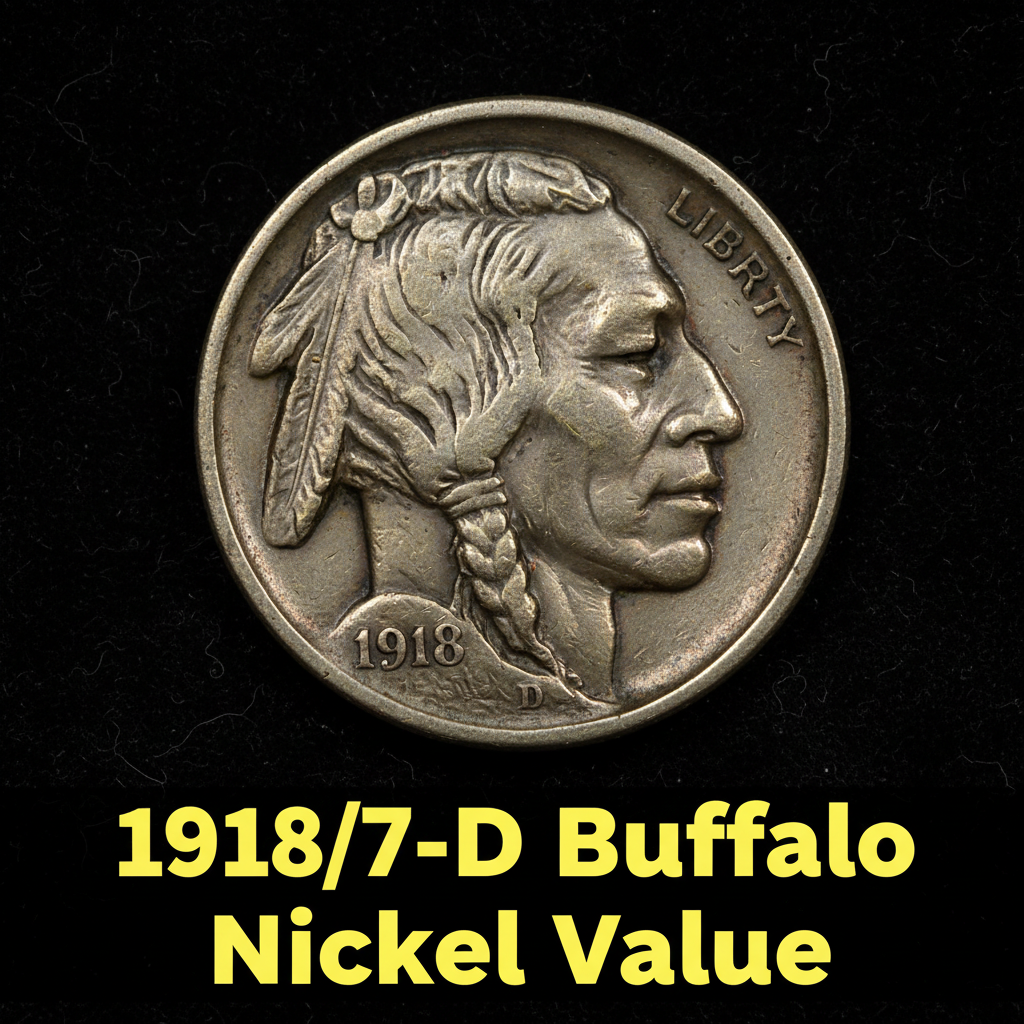
The 1918/7-D Buffalo Nickel is an overdate coin, meaning the die used to strike it was itself overpunched — specifically, a 1917 die was re-engraved with an 8, creating a coin where the “7” is still faintly visible beneath the “8” in the date. This happened at the Denver Mint, which is why this coin carries the “D” mintmark beneath the buffalo on the reverse.
Overdate coins are always collector favorites because they represent a manufacturing anomaly — a small mistake or cost-saving measure that makes each coin a tiny piece of history. The 1918/7-D is particularly prized because it’s genuinely scarce. Not many survived in collectible condition, which drives up demand and prices significantly. Whether you’re a seasoned numismatist or someone who just found an old nickel in a jar, this coin deserves a second look.
CoinKnow is a great tool for identifying overdate varieties like this one. Its database includes detailed images of known die varieties, making it easier to confirm whether your coin is the real deal.
How to Identify the 1918/7-D Variety
Identifying the 1918/7-D Buffalo Nickel requires a magnifying glass or loupe with at least 5x magnification. Look closely at the date on the obverse (the side showing the Native American portrait). You should be able to see remnants of a “7” peeking out from under the “8” — this is called a “ghost” digit.
Also check for the “D” mintmark on the reverse, located just below the words “FIVE CENTS” and above the buffalo’s hoof. Without the D mintmark, you simply have a regular Philadelphia Mint coin from 1918 — still worth collecting, but nowhere near as valuable as the overdate variety.
The key diagnostic points collectors use:
– Partial “7” visible under the “8” in the date
– “D” mintmark present on reverse
– Overall design consistent with the Type 2 Buffalo Nickel (raised ground replaced flat ground after 1913)
If you want to cross-check your findings, detailed 1918/7-D Buffalo Nickel price data by grade is available to help you compare values across different condition levels.
1918/7-D Buffalo Nickel Value by Grade
The condition of your coin — referred to as its “grade” in numismatic terms — plays a huge role in determining its value. A heavily circulated coin will show significant wear on the high points of the design, like the cheekbone of the Native American and the buffalo’s hip. Higher-grade examples retain sharp details and often command premiums that seem almost unbelievable for a five-cent piece.
Here’s a general breakdown of 1918/7-D Buffalo Nickel values:
| Grade | Description | Estimated Value |
|---|---|---|
| AG-3 / G-4 | Heavy wear, date barely visible | $300 – $500 |
| VG-8 / F-12 | Moderate wear, major details visible | $600 – $1,200 |
| VF-20 / VF-35 | Light wear on high points | $1,500 – $3,000 |
| EF-40 / AU-55 | Slight wear, most details sharp | $4,000 – $9,000 |
| MS-60 / MS-63 | Uncirculated, minor bag marks | $12,000 – $22,000 |
| MS-65+ | Gem uncirculated, exceptional luster | $30,000+ |
Note: These are approximate retail values. Actual prices can vary depending on the specific coin, market conditions, and auction results. For the most up-to-date figures, check a comprehensive 1918 Buffalo Nickel value reference that breaks down pricing by mint and variety.
Tips for Getting the Best Price for Your 1918/7-D Nickel
If you believe you have a genuine 1918/7-D Buffalo Nickel, there are a few smart steps to take before selling. First, do not clean the coin. This is the number one mistake amateur collectors make, and it can reduce a coin’s value by 50% or more. Second, consider having it professionally graded by PCGS or NGC — the two most trusted grading services in the hobby. A certified coin in a graded slab is far easier to sell and typically fetches higher prices.
Auction houses like Heritage Auctions and Stack’s Bowers regularly handle coins of this caliber and can connect you with serious collectors willing to pay top dollar. Online marketplaces like eBay are an option too, but a certified coin will always outperform a raw one with buyers you’ve never met.
CoinKnow can help you track recent auction results for the 1918/7-D variety, giving you real-world data before you decide to sell. And if you’re just starting to explore your collection, CoinKnow makes it easy to identify multiple coins all at once.
—
FAQ
Q: How do I know if my 1918 nickel is the 7-D overdate variety?
A: Look at the date under magnification. If you can see the ghost of a “7” underneath the “8,” and there’s a “D” mintmark on the reverse, you likely have the overdate variety. A professional appraisal or coin grading service can confirm it definitively.
Q: Is the 1918/7-D Buffalo Nickel rare?
A: Yes, it’s considered a key variety in the Buffalo Nickel series. Relatively few exist in collectible condition, and examples in grades above Very Fine are genuinely scarce. This rarity is a major reason why even worn examples command hundreds of dollars.
Q: Can I sell my 1918/7-D Buffalo Nickel online?
A: Absolutely. However, your best outcomes typically come from having the coin certified first. Platforms like eBay, Great Collections, and major coin auction houses are all good options. A certified slab from PCGS or NGC adds credibility and buyer confidence, which often translates to a higher final sale price.