1916 Buffalo Nickel Value No Mint Mark — What This Classic Coin Is Worth Today
The 1916 Buffalo Nickel with no mint mark is worth anywhere from $10 in heavily worn condition to over $1,500 or more in pristine mint state, making it one of the most collectible early 20th-century nickels for everyday coin hunters.
If you recently found an old nickel with a bison on one side and a Native American portrait on the other, you might be holding something genuinely valuable. The 1916 Buffalo Nickel is a beloved classic in American numismatics, and the Philadelphia-minted version — identified by the absence of a mint mark — is particularly sought after. Before you toss it in a jar or spend it at a garage sale, it’s worth taking a few minutes to understand what you actually have. Using a free coin identifier app can help you get a quick read on your coin’s condition and approximate value before you visit a dealer.
A Brief History of the 1916 Buffalo Nickel
The Buffalo Nickel, officially called the Indian Head Nickel, was designed by sculptor James Earle Fraser and first introduced in 1913. By 1916, the series was well established, and the Philadelphia Mint struck nearly 64 million of these coins — a relatively high mintage for the era. Despite the large number produced, most circulated heavily, meaning well-preserved examples are far rarer than that big number suggests.
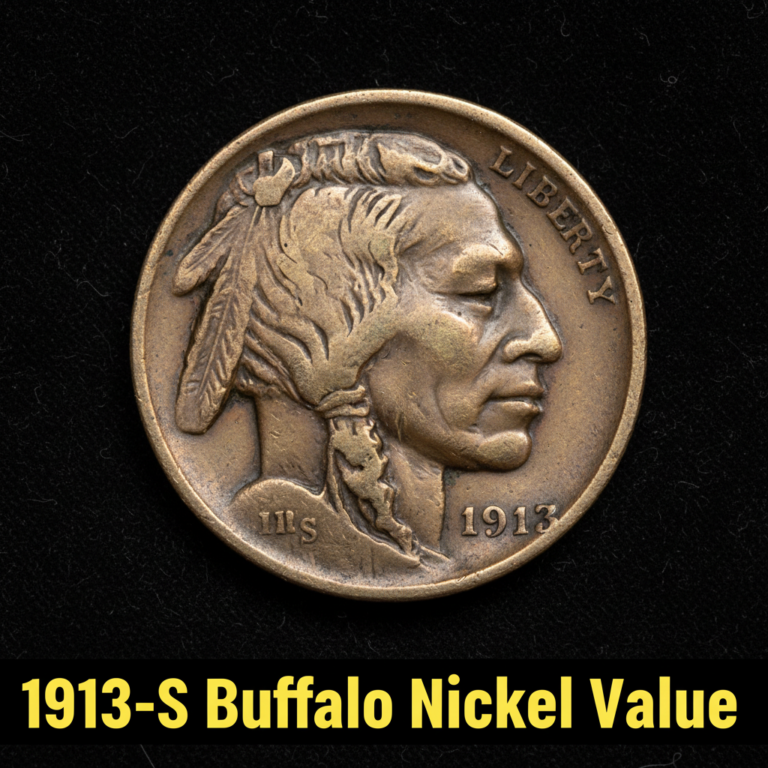
The coin features a composite portrait of three Native American chiefs on the obverse and a magnificent American bison — reportedly modeled after “Black Diamond,” a buffalo at the Central Park Zoo — on the reverse. The design was revolutionary for its time, moving away from the classical European style that had dominated American coinage. That artistic boldness is a big reason collectors still love this coin more than a century later. The no-mint-mark version simply means your coin was struck at the Philadelphia Mint, which was standard practice and didn’t require a mint mark at that time.
1916 Buffalo Nickel No Mint Mark Value by Grade
The condition of your coin — referred to as its “grade” — is the single most important factor in determining value. A coin that looks shiny and crisp will be worth many times more than one that’s been worn smooth from decades of use. Here’s a general value breakdown for the 1916 Buffalo Nickel (no mint mark):
| Grade | Description | Estimated Value |
|---|---|---|
| Good (G-4) | Heavy wear, date visible | $10 – $15 |
| Very Good (VG-8) | Moderate wear, some detail | $15 – $25 |
| Fine (F-12) | Even wear, clear design | $25 – $40 |
| Extremely Fine (EF-40) | Light wear on high points | $75 – $120 |
| About Uncirculated (AU-50) | Slight wear, strong luster | $150 – $250 |
| Mint State (MS-63) | Uncirculated, minor marks | $400 – $700 |
| Mint State (MS-65) | Gem uncirculated | $1,200 – $1,800+ |
For the most up-to-date auction results and dealer pricing, you can check recent 1916 Buffalo Nickel mint state price data to see how the market is trending right now.
What Makes Some 1916 Buffalo Nickels Worth More
Not all 1916 Buffalo Nickels are created equal. Beyond basic grade, a few specific factors can push a coin’s value significantly higher. First is strike quality — some coins from this era were weakly struck, especially on the bison’s horn and the Native American’s hair detail. A coin with a sharp, full strike is more desirable and commands a premium.
Second is luster and eye appeal. Even within the same grade, a coin with warm, original luster and no distracting scratches or spots will sell for more than one that looks dull or cleaned. Cleaned coins are actually worth less than their natural, worn counterparts because collectors and graders view cleaning as damage.
Third, there’s the rare 1916 doubled die obverse variety. This error coin shows visible doubling in the date and lettering, and it can be worth thousands even in circulated grades. It’s rare, but if you see what appears to be doubled numbers on your coin, get it authenticated immediately. You can also explore a detailed breakdown of what your 1916 nickel is worth based on condition and variety.
How to Check Your 1916 Buffalo Nickel at Home
You don’t need to be a professional numismatist to get a basic sense of your coin’s condition. Start by examining the coin under good lighting with a magnifying glass. Look at the bison’s horn and the “FIVE CENTS” inscription on the reverse — if those details are sharp and well-defined, you likely have a coin in Fine or better condition. If the design is mostly flat and smooth, you’re looking at a Good or Very Good example.
One of the easiest tools available today is CoinKnow, a smart coin identification and valuation app that allows you to photograph your coin and get an instant condition estimate and value range. It’s a great starting point before investing in a professional grading service. CoinKnow pulls real market data to give you a reliable picture of what your coin might sell for, which is incredibly useful when you’re new to coin collecting and don’t want to overpay — or undersell.
Should You Get Your 1916 Buffalo Nickel Professionally Graded?
If your coin appears to be in Extremely Fine condition or better, professional grading through services like PCGS or NGC is absolutely worth considering. Grading fees typically range from $20 to $50 per coin, and a certified, slabbed coin often sells for a premium over raw (ungraded) coins of similar quality. For a high-grade 1916 Buffalo Nickel, the added value can far outweigh the grading cost.
However, for heavily circulated coins in Good or Very Good condition, professional grading usually isn’t cost-effective. In those cases, knowing the approximate value is enough to help you decide whether to sell to a local dealer, list it online, or hold onto it as a piece of American history. CoinKnow can help you make that call quickly and confidently, without needing to visit a coin shop first.
FAQ
Q: How do I know if my 1916 Buffalo Nickel has a mint mark?
A: Look at the reverse side of the coin, directly below the words “FIVE CENTS.” If there’s no letter there, your coin was minted in Philadelphia and has no mint mark. A “D” indicates Denver and a “S” indicates San Francisco — both of which have different values than the Philadelphia version.
Q: Is a 1916 Buffalo Nickel with a worn-off date still worth anything?
A: Unfortunately, a coin with a missing or illegible date is generally worth only a few cents as a novelty or filler coin. However, there are restoration chemicals designed specifically for Buffalo Nickels that can sometimes reveal faint dates — just know that once restored, the coin cannot be considered original and will not be accepted for professional grading.
Q: What’s the most valuable 1916 Buffalo Nickel ever sold?
A: Gem Mint State examples graded MS-66 or higher have sold at auction for several thousand dollars. The 1916 doubled die obverse variety in top condition is among the rarest finds and can command prices well above $10,000. Always have a potentially rare coin authenticated by a reputable grading service before buying or selling.