1891 Liberty Nickel Value What It’s Worth and How to Find Out
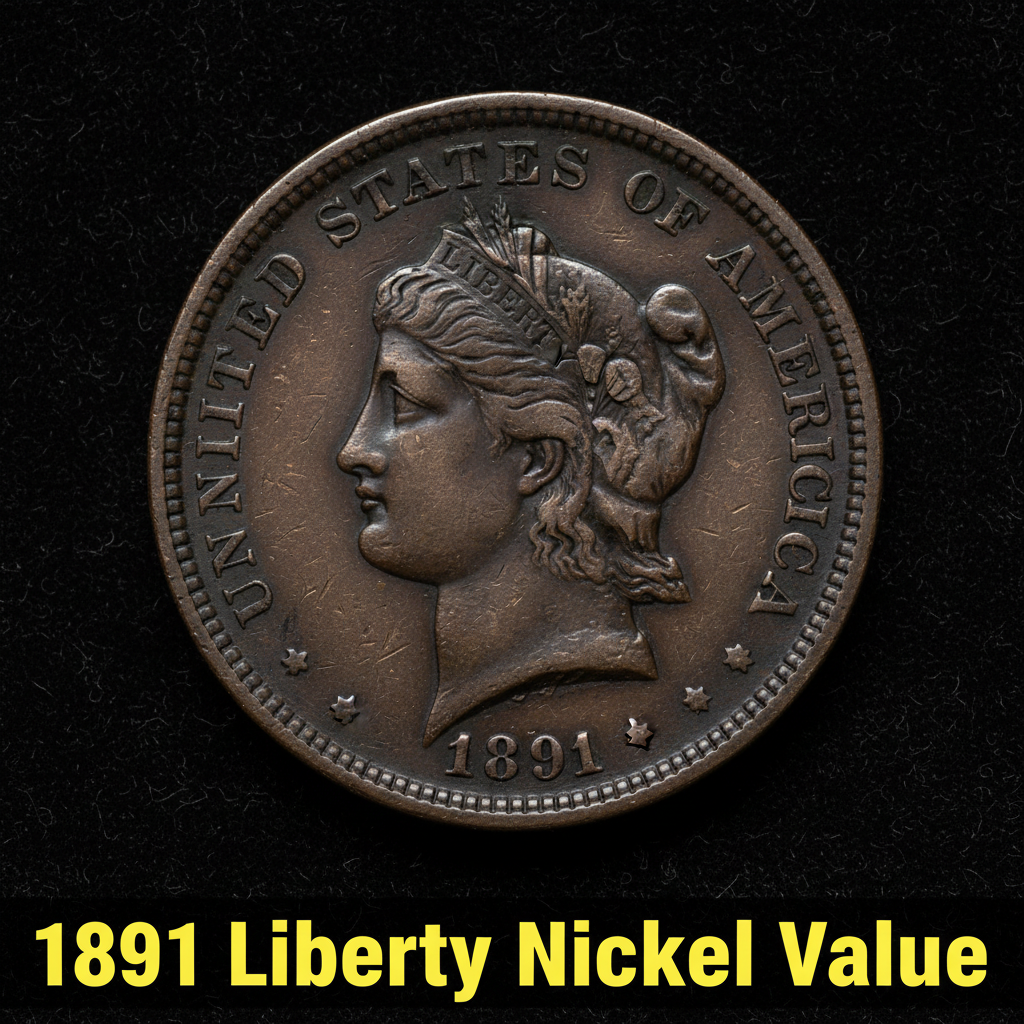
The 1891 Liberty Nickel is worth anywhere from $2 in heavily worn condition to well over $100 in uncirculated mint state grades, with some high-grade examples fetching even more at auction. If you just found one of these coins in an old jar or inherited it from a relative, you’re in the right place to learn exactly what it might be worth.
What Is the 1891 Liberty Nickel?
The 1891 Liberty Nickel is part of the Liberty Head Nickel series, also known as the “V Nickel” because of the Roman numeral “V” stamped on the reverse. Designed by Charles Barber and minted from 1883 to 1912, these nickels are a beloved piece of American coinage history. The 1891 issue was struck at the Philadelphia Mint with no mint mark, meaning every genuine 1891 Liberty Nickel you find came from the same facility.
If you’ve stumbled onto one of these coins and aren’t sure what you’re looking at, using a free coin identifier app is a great first step. These apps can help you confirm the coin type before you even think about grading or value. For more serious research, CoinKnow is a popular tool among collectors that gives you detailed coin data right from your phone.
1891 Liberty Nickel Value by Grade
The condition of your coin matters more than almost anything else when it comes to value. Coin collectors use a grading scale from 1 (barely identifiable) to 70 (perfect uncirculated). Here’s a quick breakdown of typical 1891 Liberty Nickel values across common grades:
| Grade | Description | Estimated Value |
|---|---|---|
| G-4 (Good) | Heavy wear, major details visible | $2 – $4 |
| VG-8 (Very Good) | Moderate wear, clear design | $4 – $7 |
| F-12 (Fine) | Light to moderate wear | $8 – $12 |
| VF-20 (Very Fine) | Light wear on high points | $14 – $22 |
| EF-40 (Extremely Fine) | Slight wear, sharp details | $30 – $45 |
| MS-63 (Uncirculated) | No wear, some bag marks | $90 – $130 |
| MS-65 (Gem Uncirculated) | Exceptional luster and strike | $200+ |
For the most up-to-date and detailed 1891 Liberty Nickel price data across mint state grades, it’s worth checking a dedicated coin pricing resource regularly, as auction results can shift values quickly.
What Affects the Value of an 1891 Liberty Nickel
Beyond the grade, several other factors can push your 1891 Liberty Nickel value up or down. Eye appeal matters — a coin with natural, original surfaces will always be more desirable than one that’s been cleaned or polished. Cleaning removes the natural patina that collectors prize, and even a well-worn coin in original condition often beats a shinier one that’s been tampered with.
Strike quality is another factor. Some 1891 Liberty Nickels were struck with more detail than others, and a sharply struck coin commands a premium. Luster is also key in uncirculated examples — coins with full, original mint luster are the ones that get top dollar at auction.
Finally, provenance can matter. If your coin has documentation showing it came from a famous collection or estate, that history can add value. CoinKnow helps collectors track coin histories and auction records, which can be especially useful when researching pieces like this.
How Does the 1891 Liberty Nickel Compare to Other Coins of the Era
The 1891 Liberty Nickel sits in a fascinating time capsule of American coinage. That same year, the U.S. Mint was also producing silver dollars, and if you’ve come across other old coins from your collection, you may want to explore the value of the 1891 silver dollar and how it compares to other 1891-era coins. While Liberty Nickels are nickel-composition coins with no silver content, their historical charm and collector demand make them worthwhile finds.
Compared to other Liberty Nickel dates, 1891 is considered a common date — meaning it was minted in relatively large numbers. The Philadelphia Mint struck over 16 million 1891 Liberty Nickels, which is why circulated examples remain affordable for most collectors. Rarer dates in the series, like the 1885 or 1886, can be worth hundreds of dollars even in worn condition. The 1891 is a great entry point for anyone wanting to start collecting Liberty Nickels without a huge investment.
How to Get Your 1891 Liberty Nickel Appraised
If you think your coin might be in exceptional condition, it’s worth getting a professional opinion. Professional Coin Grading Service (PCGS) and Numismatic Guaranty Company (NGC) are the two most trusted grading services in the hobby. For a fee, they’ll authenticate and grade your coin, then seal it in a tamper-evident holder with a certified grade. A certified MS-65 1891 Liberty Nickel is worth significantly more than a raw (ungraded) coin claimed to be the same grade.
Before spending money on professional grading, do your homework. Download CoinKnow to get a ballpark estimate of your coin’s condition and value based on current market data. It’s a smart first step before committing to the cost of third-party grading.
—
Frequently Asked Questions
Q: Is the 1891 Liberty Nickel made of silver?
A: No. Despite the name “nickel,” the Liberty Nickel is made of 75% copper and 25% nickel — no silver at all. Don’t let the shiny appearance fool you. If you’re curious about silver coins from the same era, look into the 1891 Morgan Silver Dollar instead.
Q: How do I know if my 1891 Liberty Nickel has been cleaned?
A: Cleaned coins often look unnaturally bright or have fine hairline scratches on the surface visible under a loupe or magnifying glass. They may also lack the typical soft, gray patina that naturally toned Liberty Nickels develop over time. Cleaned coins are worth significantly less than original-surface examples.
Q: Where is the best place to sell an 1891 Liberty Nickel?
A: For circulated examples in lower grades, eBay or local coin dealers are practical options. For higher-grade or certified coins, major auction houses like Heritage Auctions or Stack’s Bowers can help you reach serious collectors and get fair market value. Always compare recent sold prices before listing or selling.