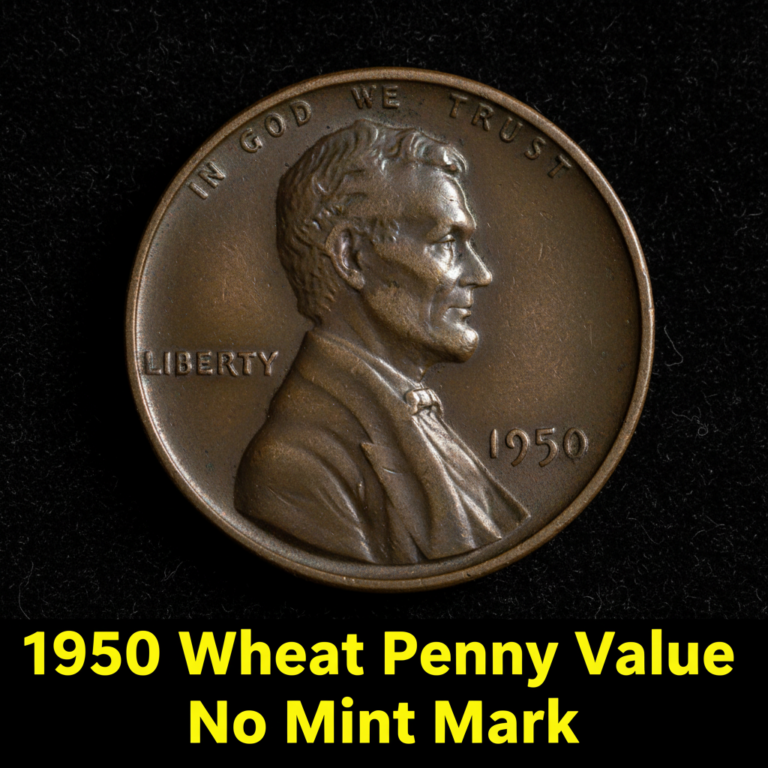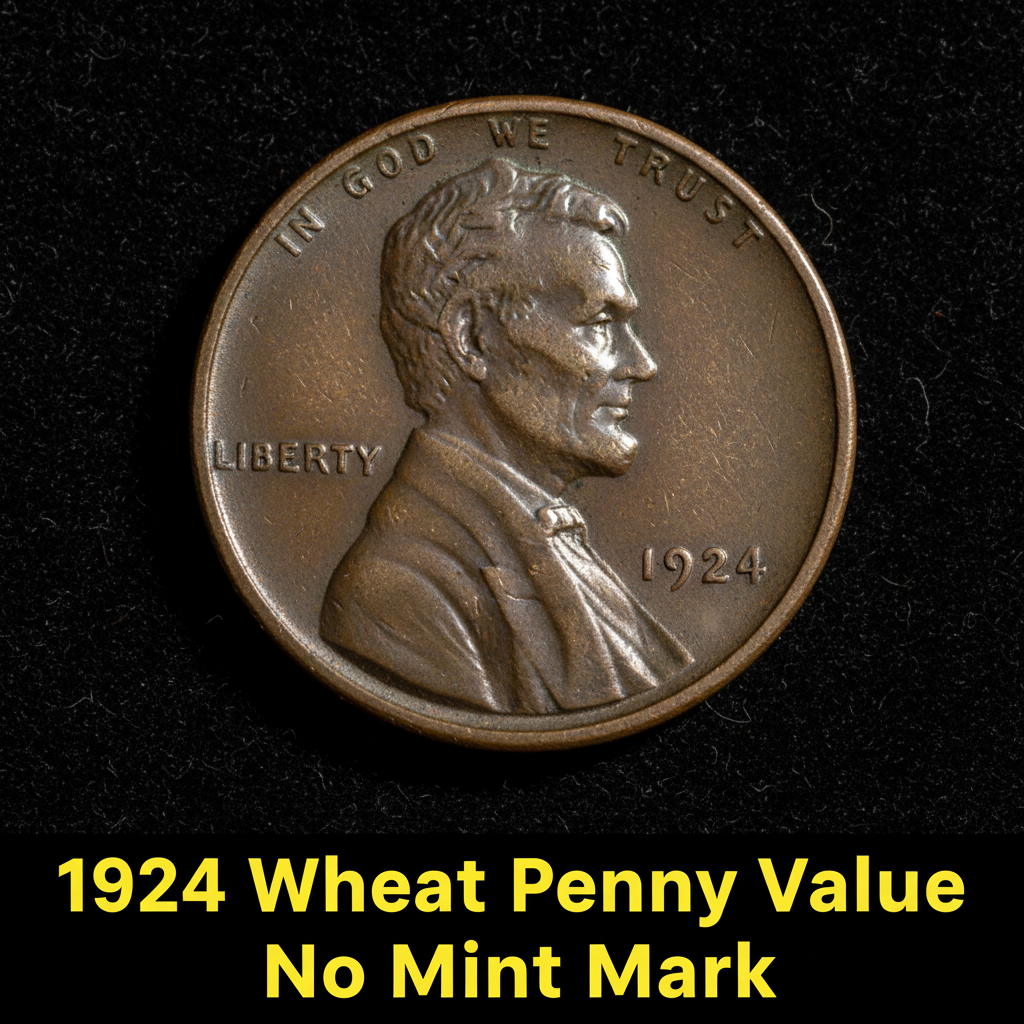
1924 Wheat Penny Value No Mint Mark What It’s Worth and Why Collectors Care
The 1924 Wheat Penny with no mint mark is worth anywhere from $0.25 in heavily worn condition to well over $100 in top mint state grades — and rare high-grade examples have sold for even more at auction. If you just found one of these old Lincoln cents, you’re in the right place to learn exactly what you’ve got.
What Is the 1924 Wheat Penny and Where Was It Made?
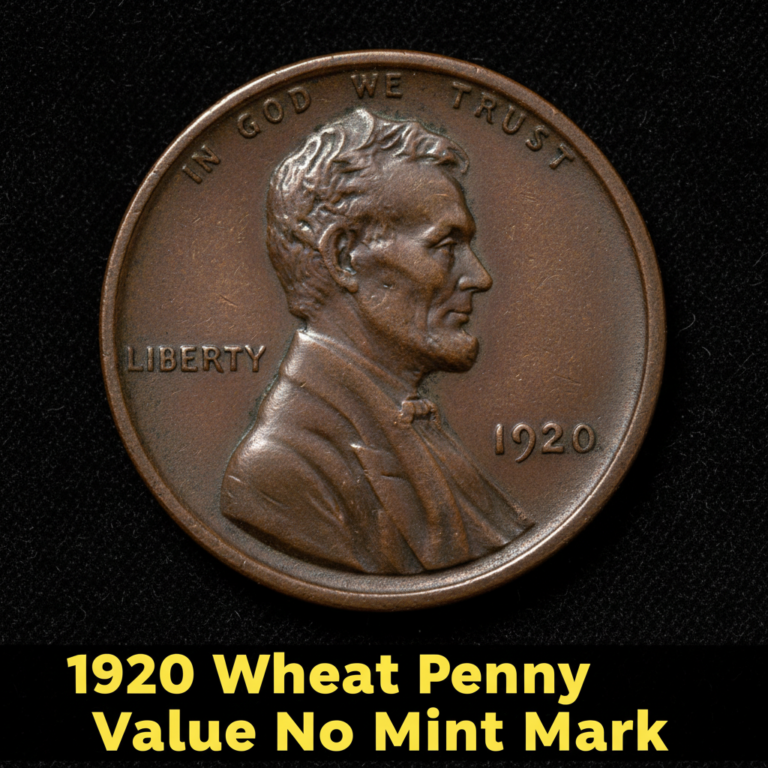
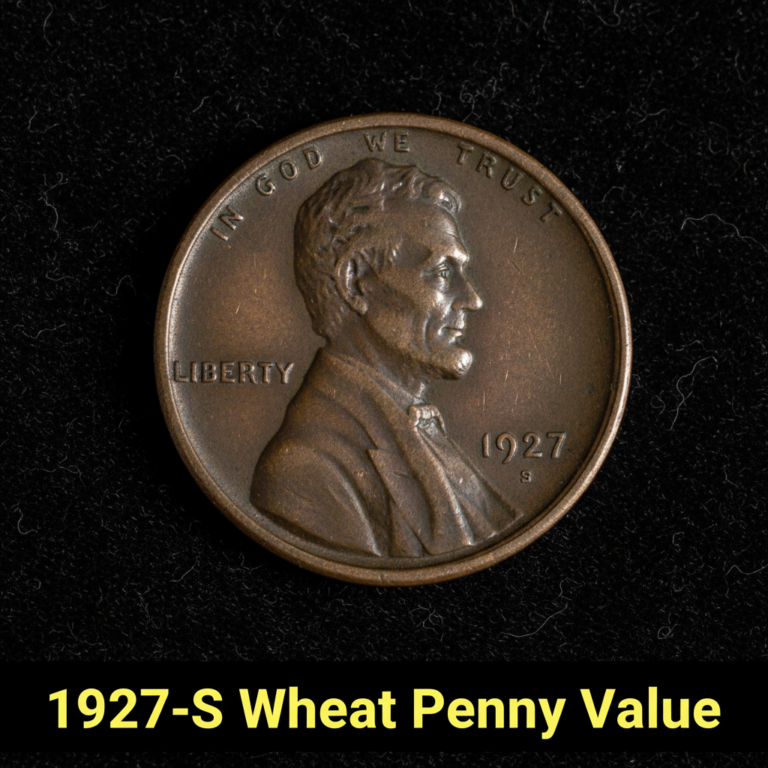
The 1924 Lincoln Wheat Penny without a mint mark was struck at the Philadelphia Mint, which was the main U.S. coin production facility at the time. Philadelphia coins never carried a mint mark during this era, so if you flip your penny over and see just the wheat stalks on either side of “ONE CENT” with no small letter beneath the date, you’ve got a Philly coin. In 1924, the Philadelphia Mint produced approximately 75.2 million of these cents — a fairly healthy mintage compared to some other years in the series. That means they’re not extremely rare in worn grades, but well-preserved examples are a different story entirely. If you’re not sure what mint mark you’re looking at — or whether you even have one — a free coin identifier app can help you quickly figure out what you’re holding before you dig deeper into research. Knowing the mint mark (or lack of one) is the very first step toward understanding your coin’s true value.
How Much Is the 1924 Wheat Penny Worth by Grade?
Coin values depend almost entirely on condition, also called “grade” in the collector world. A heavily circulated 1924 penny that’s been through decades of pockets and piggy banks might only be worth a quarter to a dollar. But as the coin’s condition improves, the value climbs quickly. For the most current and detailed 1924 Wheat Penny price data across MS grades, it’s worth checking a dedicated numismatic resource. Here’s a general breakdown of what you can expect:
| Grade | Description | Estimated Value |
|---|---|---|
| Good (G-4) | Heavy wear, design visible | $0.25 – $0.75 |
| Fine (F-12) | Moderate wear, details clear | $1.50 – $3.00 |
| Extremely Fine (EF-40) | Light wear on high points | $8 – $15 |
| MS-63 (Uncirculated) | No wear, some bag marks | $45 – $75 |
| MS-65 Red (Gem) | Full luster, sharp strike | $150 – $300+ |
The “Red” designation matters a lot for uncirculated coins. A 1924 Lincoln cent that still shows its original bright copper color (Red or RD) commands a significant premium over one that has toned to brown (BN) or red-brown (RB).
Key Details That Affect the 1924 No Mint Mark Penny’s Value
Beyond grade, a few other factors can push your 1924 Wheat Penny value higher or lower. First, the coin’s color, as mentioned above, plays a huge role in uncirculated specimens. Second, strike quality matters — some Philadelphia coins from this era show weak strikes, particularly on Lincoln’s hair detail and the wheat stalks on the reverse. A sharply struck coin is more desirable. Third, look for any errors or varieties. While the 1924 Philadelphia cent doesn’t have a widely documented major variety like a doubled die, minor die cracks or off-center strikes can sometimes attract collector interest. Finally, coins that have been professionally graded and encapsulated by PCGS or NGC will almost always sell for more than “raw” ungraded coins, because buyers trust the grade. For a full breakdown of 1924 penny values across all mint marks and conditions, dedicated coin value guides give you the clearest picture. CoinKnow is one modern tool that makes it easy to look up values on your phone in seconds.
Should You Clean Your 1924 Wheat Penny?
Please don’t. This is one of the most common mistakes people make when they find an old coin. Cleaning a penny — even gently — removes the original surface and significantly reduces its collector value. A coin that might be worth $50 in its natural state could drop to just a few dollars after cleaning, because experienced collectors and dealers can spot it instantly. Leave it exactly as you found it. If you’re curious about its grade or want a professional opinion, CoinKnow lets you document and research your coins digitally, and you can always submit to a grading service if the coin appears to be in uncirculated condition. The natural patina on an old copper cent is part of its history — and its value.
Is the 1924 Wheat Penny Worth Keeping?
For most people who stumble across one in a coin jar or old collection, a circulated 1924 Wheat Penny is a fun piece of American history worth holding onto even if it’s not worth a fortune in lower grades. If yours looks like it has never seen circulation — bright copper color, sharp details, no wear on Lincoln’s cheekbone or the wheat stalks — it could genuinely be worth having professionally evaluated. Use CoinKnow to get a quick sense of where your coin falls, and then decide whether professional grading makes sense for your situation.
FAQ
Q: How do I know if my 1924 penny is from Philadelphia or another mint?
A: Look just below the date on the obverse side of the coin. Philadelphia cents from 1924 have no mint mark at all. A “D” means it was made in Denver, and an “S” means San Francisco. No letter equals Philadelphia.
Q: What makes a 1924 Wheat Penny worth more money?
A: The biggest factors are condition (grade), color (Red vs. Brown for uncirculated coins), strike sharpness, and whether the coin has been professionally graded by PCGS or NGC. Uncleaned, original-surface coins are always worth more.
Q: Where is the best place to sell a 1924 Wheat Penny?
A: For lower-grade circulated examples, online marketplaces like eBay work well. For higher-grade or uncirculated coins, consider a coin dealer, a numismatic auction house, or submitting to a grading service first to establish its grade before selling.