1950 Wheat Penny Value No Mint Mark and What It’s Worth Today
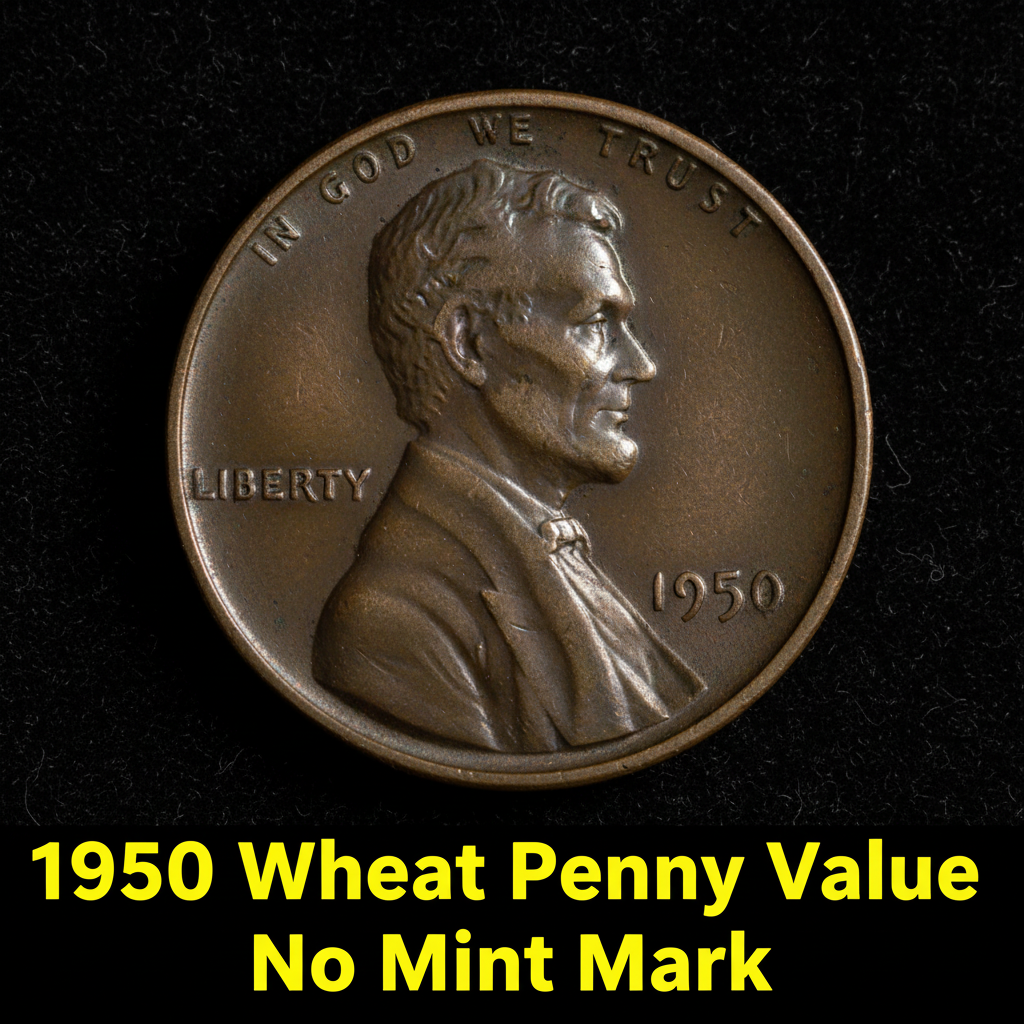
If you’ve found a 1950 wheat penny with no mint mark, you’re holding a piece of American history that’s worth anywhere from 15 cents in heavily worn condition to over $10 in average circulated grades — and significantly more in pristine, uncirculated condition. These small copper coins are more common than some key dates, but collectors still actively seek out high-grade examples.
What Is the 1950 Wheat Penny No Mint Mark?
The 1950 Lincoln Wheat Penny with no mint mark was struck at the Philadelphia Mint, which traditionally did not place a mint mark on its coins during this era. That year, Philadelphia produced over 272 million of these pennies, making it one of the higher-mintage wheat cents from the final decade of the series. The coin features Victor David Brenner’s iconic portrait of Abraham Lincoln on the obverse, with two stalks of wheat framing the words “ONE CENT” on the reverse.
If you’re just getting started identifying old coins in your collection, using a free coin identifier app can help you quickly confirm what you’re looking at before diving into valuation. Tools like CoinKnow are especially handy for beginners — just snap a photo and the app provides instant identification and estimated values.
1950 Wheat Penny Value by Grade
Coin values depend heavily on condition, which collectors call “grade.” A heavily circulated 1950 no mint mark penny might be barely worth face value, while a coin in gem uncirculated condition can fetch real money at auction. Here’s a general breakdown of what these coins are worth across different grades:
| Grade | Description | Estimated Value |
|---|---|---|
| Good (G-4) | Heavy wear, design visible | $0.15 – $0.25 |
| Fine (F-12) | Moderate wear, details clear | $0.50 – $1.00 |
| Extremely Fine (EF-40) | Light wear on high points | $2.00 – $5.00 |
| Uncirculated (MS-63) | No wear, some bag marks | $8.00 – $15.00 |
| Gem Uncirculated (MS-65 RD) | Full red luster, sharp strike | $30.00 – $80.00+ |
For a deeper look at 1950 wheat penny MS-RD grade prices and auction records, it’s worth checking dedicated coin price databases that track real sales over time. High-grade red specimens (designated “RD”) are particularly valuable because they’ve retained their original copper color.
How to Determine Your Coin’s Condition
Figuring out your coin’s grade doesn’t require a professional right away. Start by examining Lincoln’s cheekbone and the wheat stalks on the reverse — these are the high points that wear first. If you can still see individual strands in Lincoln’s hair above the ear, your coin is likely in Fine or better condition. Under a magnifying glass, look for any remaining luster or “cartwheel” shine that rolls across the surface when you tilt the coin. That kind of original mint luster indicates an uncirculated specimen.
Color matters too, especially for copper coins. A 1950 wheat penny can be graded as Red (RD), Red-Brown (RB), or Brown (BN). Red coins command the highest premiums because they show minimal oxidation. If your penny still has that bright, coppery glow, it could be worth several times more than a brown example of the same grade.
Are There Any Valuable Errors on the 1950 No Mint Mark Penny?
Error coins can dramatically increase a 1950 wheat penny’s value beyond normal ranges. Some of the errors collectors look for include doubled die varieties, where parts of the lettering or Lincoln’s features appear slightly doubled. Off-center strikes — where the design is noticeably shifted to one side — can also add significant value, especially if more than 10% of the coin is off-center but the date remains visible.
Die cracks and repunched mint marks are less common on Philadelphia coins, but lamination errors (where the metal peels slightly) and wrong planchet errors do exist in the broader wheat penny series. If something about your coin looks unusual or “off,” that could be a sign of an error worth investigating. CoinKnow makes it easy to photograph your coin and compare it against known error varieties in its database — a great first step before sending anything to a professional grading service.
You can also find a thorough guide to 1950 penny values including error varieties and mint mark comparisons to see how your coin stacks up against other issues from the same year, including the 1950-D struck in Denver.
Should You Get Your 1950 Wheat Penny Graded?
If you believe your coin is in uncirculated condition or shows a notable error, professional grading from PCGS or NGC can be a smart investment. A certified MS-65 RD example is far easier to sell and commands a stronger price than a raw (ungraded) coin. However, for coins in circulated condition, the grading fees likely outweigh the potential upside — those coins are typically worth a dollar or two at most.
The best approach for beginners is to start with CoinKnow to get a quick ballpark estimate, then consult price guides or local coin dealers before deciding whether professional grading makes financial sense for your particular coin.
FAQ
Q: How do I know if my 1950 penny is from Philadelphia or another mint?
A: Look just below the date on the obverse. If there is no letter, it was struck at the Philadelphia Mint. A “D” means Denver, and an “S” means San Francisco. The 1950 no mint mark penny is the Philadelphia version.
Q: Is the 1950 wheat penny rare?
A: No, it’s not considered rare. With a mintage of over 272 million, the 1950 Philadelphia issue is widely available. That said, high-grade gem examples with full red color are genuinely scarce and can be worth $50 or more to the right collector.
Q: Can I clean my 1950 wheat penny to make it look better?
A: It’s strongly advised not to clean your coin. Cleaning removes the natural patina and surface metal, which immediately lowers collector value — often significantly. Even a coin that looks dull or dirty is worth more in its original, untouched state.