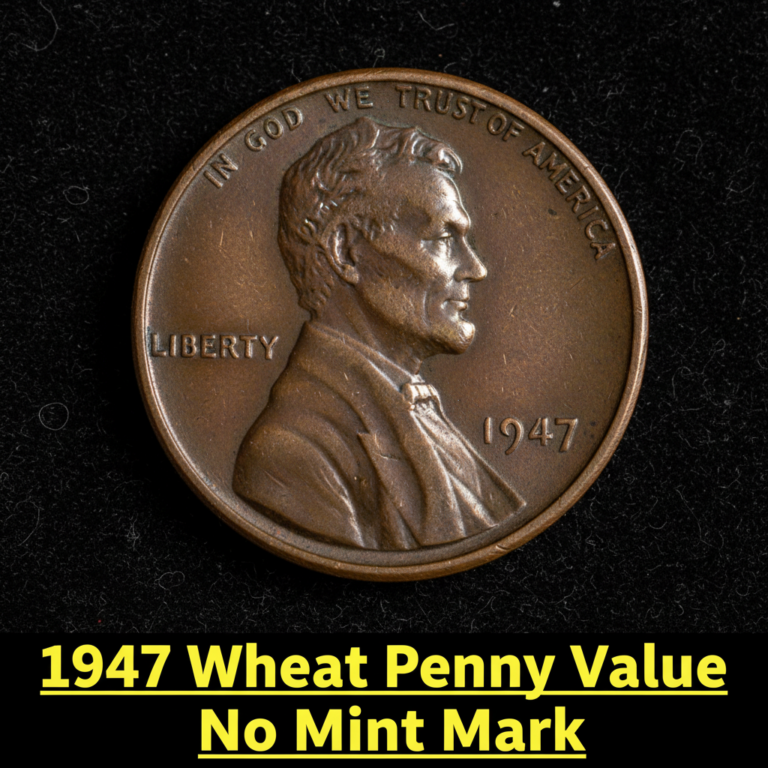
1937-D Wheat Penny Value Guide How Much Is It Worth Today
The 1937-D Wheat Penny is worth anywhere from $0.10 in heavily worn condition to over $20 or more in uncirculated grades — and truly pristine examples graded MS-67 Red have sold for hundreds of dollars at auction. If you found one in a jar, drawer, or old coin collection, you’re in the right place to find out what it’s really worth.
What Is the 1937-D Wheat Penny?
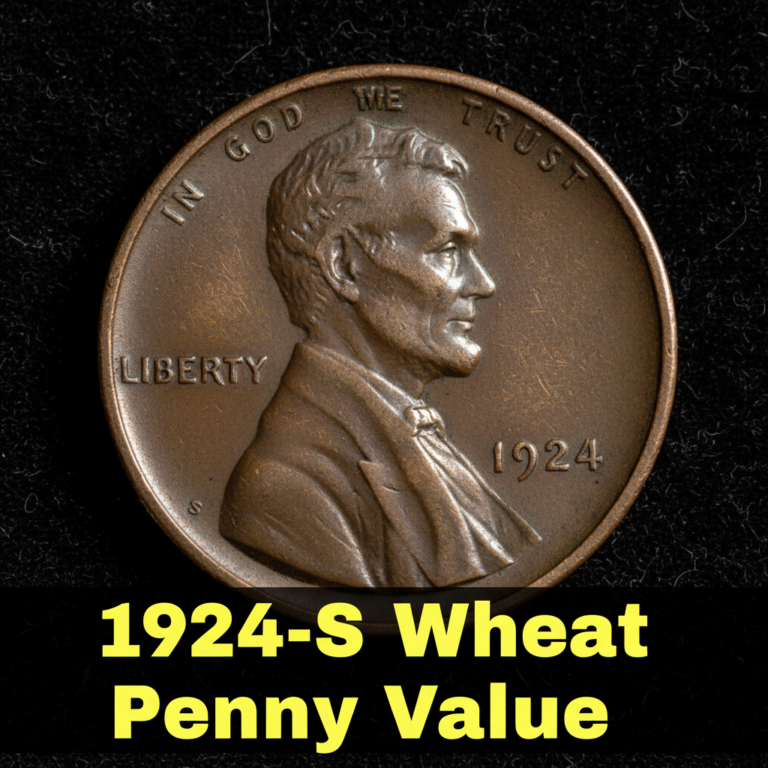
The 1937-D Wheat Penny was struck at the Denver Mint during the Great Depression era. You can identify it by the small “D” mintmark located on the obverse (front) side, just below the date. This coin was part of the Lincoln Wheat Cent series, designed by Victor David Brenner and minted from 1909 to 1958. In 1937, the Denver Mint produced over 50 million of these cents, which is why they’re not considered rare — but that doesn’t mean they’re worthless either. Condition is everything when it comes to coin values. A well-preserved 1937-D with original luster can still turn heads among collectors and fetch a surprisingly solid price. If you’re not sure what you have, using a free coin identifier app can help you quickly figure out the mint year, mintmark, and approximate grade before you start researching values. Apps like CoinKnow are especially handy for beginners who just found a handful of old pennies and don’t know where to start.
1937-D Wheat Penny Value by Grade
Coin value is almost entirely determined by condition, or “grade.” Here’s a breakdown of what the 1937-D Wheat Penny is worth at different grades. Coins in Good (G-4) condition show heavy wear with flat details but are still identifiable. Fine (F-12) coins have moderate wear but clearer features. Extremely Fine (EF-40) coins show light wear on the high points. And Mint State (MS) coins were never circulated and retain their original shine. For a detailed look at certified 1937-D Wheat Penny price data across MS-RD grades, you can compare auction results and population reports to better understand what the market is currently paying.
| Grade | Description | Estimated Value |
|---|---|---|
| G-4 (Good) | Heavy wear, flat design | $0.10 – $0.25 |
| VG-8 (Very Good) | Moderate wear, some details visible | $0.25 – $0.50 |
| F-12 (Fine) | Light to moderate wear | $0.50 – $1.00 |
| EF-40 (Extremely Fine) | Slight wear on high points | $2.00 – $4.00 |
| MS-63 (Uncirculated) | No wear, minor blemishes | $8.00 – $15.00 |
| MS-65 Red (Gem) | Full luster, sharp strike | $20.00 – $40.00 |
| MS-67 Red (Superb Gem) | Near perfect, fully red | $200.00+ |
What Makes a 1937-D Penny More Valuable
Beyond grade, a few other factors can boost the value of your 1937-D Wheat Penny significantly. Color is one of the biggest ones. Copper coins are graded Red (RD), Red-Brown (RB), or Brown (BN). A fully Red coin — meaning it retains 95% or more of its original copper luster — is worth considerably more than a brown example in the same grade. Strike quality also matters. Some 1937-D cents were struck with sharp, well-defined details while others came out slightly weak. A sharply struck coin will attract more bidders at auction. Error coins, though rare for this date, can also add value. Doubled die varieties, off-center strikes, or repunched mintmarks are all things to look for under magnification. The complete 1937 penny value breakdown including mintmark comparisons can give you a useful side-by-side look at how the Denver coin compares to its Philadelphia and San Francisco counterparts.
How to Check If Your 1937-D Penny Is Worth Grading
Not every old penny is worth sending to a professional grading service like PCGS or NGC. Grading fees typically start around $20–$30 per coin, so it only makes financial sense if your coin appears to be in Mint State condition or shows signs of being a valuable variety. Before spending money on grading, do some homework. Look up recent sold listings on eBay for “1937-D Wheat Penny MS” to see what the current market is paying. You can also use CoinKnow to scan your coin with your phone and get an instant estimate — it’s a great starting point for anyone who isn’t a professional numismatist. If the coin looks brown and worn, it’s probably worth a few cents to a few dollars and doesn’t need professional grading. But if it’s shiny, bright, and looks like it was barely circulated, it could be worth getting a second opinion from a local coin dealer or submitting it for certification.
Selling Your 1937-D Wheat Penny
If you’ve decided to sell, you have several options. eBay is the most popular platform for individual coin sales and gives you access to a wide pool of buyers. Local coin shows and coin shops are good for getting a quick cash offer, though dealers typically pay 50–70% of retail value. Heritage Auctions and Stack’s Bowers are better suited for high-grade certified coins worth $100 or more. For common circulated examples, selling in bulk lots is often more practical. Whatever route you choose, knowing your coin’s actual condition and market value puts you in a much stronger negotiating position — and that’s exactly what tools like CoinKnow are built to help you with.
FAQ
Q: How do I know if my 1937-D Wheat Penny is valuable?
A: The best way is to check the condition. Look for original mint luster (bright copper color), a sharp strike, and no significant scratches or damage. Coins in uncirculated or near-uncirculated condition are the most valuable. Circulated examples in Good to Fine condition are common and worth only a few cents to a dollar or two.
Q: Is the 1937-D penny rare?
A: No, the 1937-D Wheat Penny is not considered rare. The Denver Mint produced approximately 50,430,000 of them. However, high-grade examples — especially those graded MS-66 Red or above — are genuinely scarce and can be worth significant money to collectors.
Q: What is the most ever paid for a 1937-D Wheat Penny?
A: A 1937-D Lincoln Wheat Cent graded MS-67+ Red by PCGS sold at auction for over $1,000. These top-pop coins are the finest known examples and represent the absolute peak of the market. Most everyday coins found in circulation are worth far less, but it’s always worth checking before you spend it.