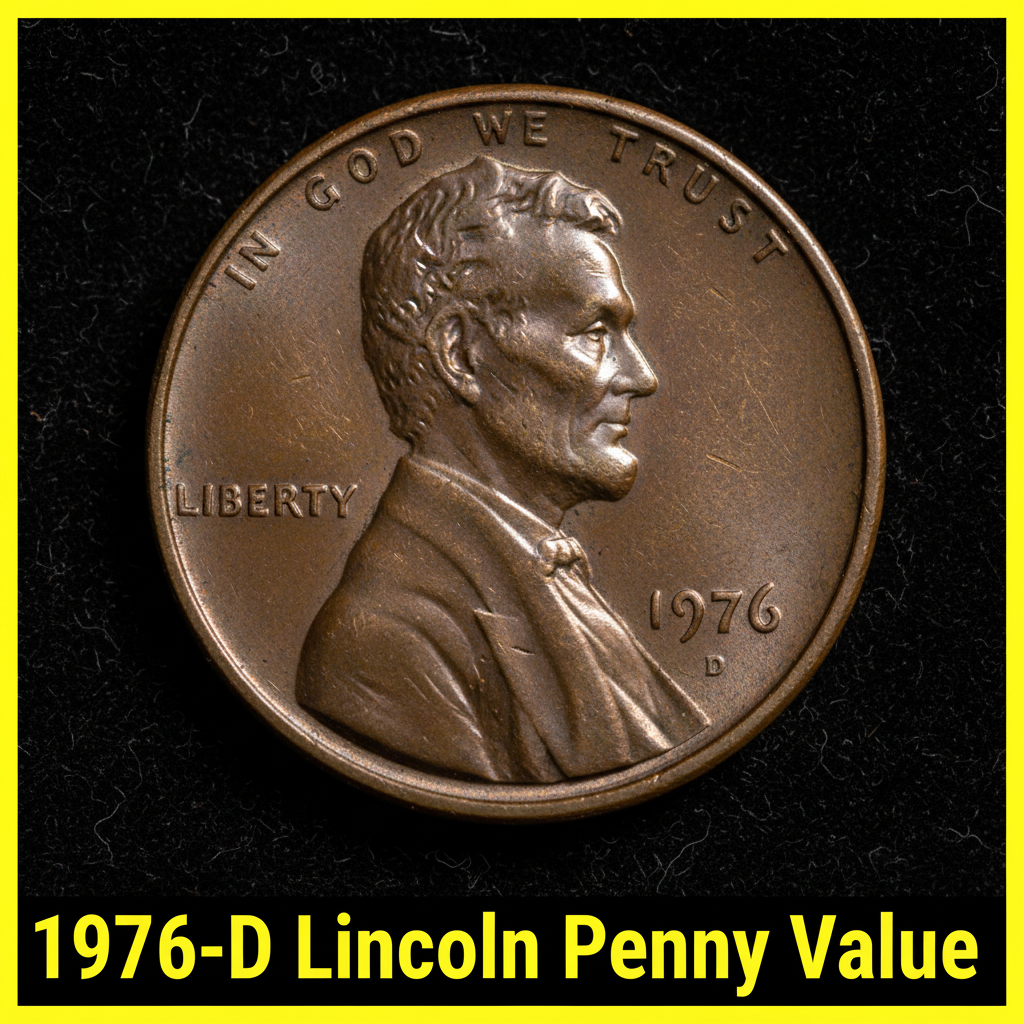
1976-D Lincoln Penny Value What It’s Worth and Why Collectors Care
The 1976-D Lincoln Penny is worth anywhere from 1 cent in heavily worn condition to over $10 or more in certified mint state — and a few exceptional examples have sold for much higher. If you found one in your change jar or an old coin collection, you’re in the right place to find out exactly what you’ve got.
Whether you’re new to coin collecting or just curious about the coins sitting in a drawer, using a free coin identifier app is a great first step to quickly figure out what you’re looking at before diving deeper into the details.
What Is the 1976-D Lincoln Penny?
The “D” in 1976-D stands for Denver — that’s the U.S. Mint facility in Denver, Colorado, where this coin was produced. In 1976, the Denver Mint struck an enormous number of Lincoln cents, totaling over 4.2 billion coins. That massive mintage is one of the main reasons most 1976-D pennies are considered common in circulated grades. You can find them almost anywhere — in old piggy banks, coin rolls, and pocket change that’s been sitting around for decades.
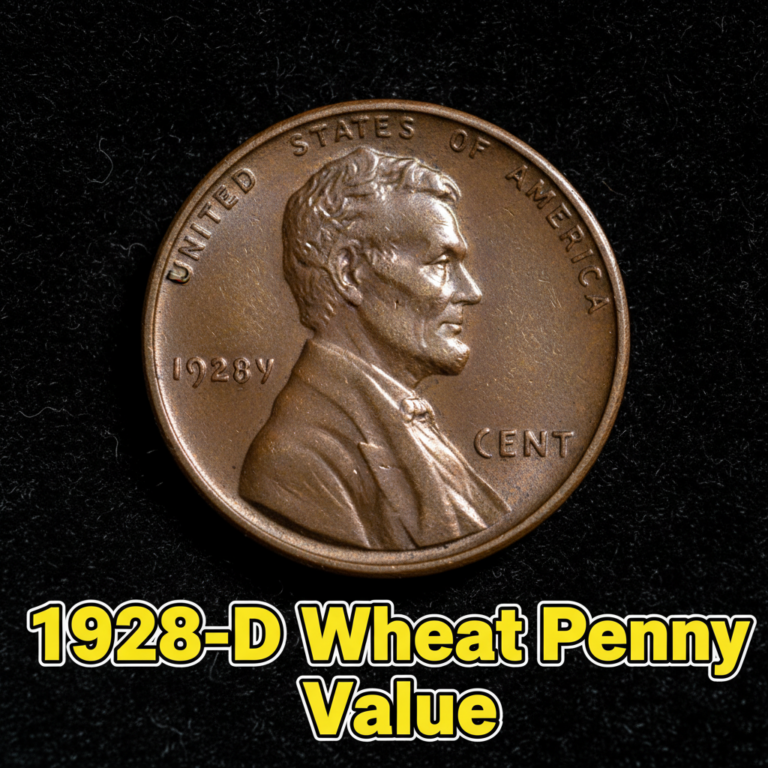
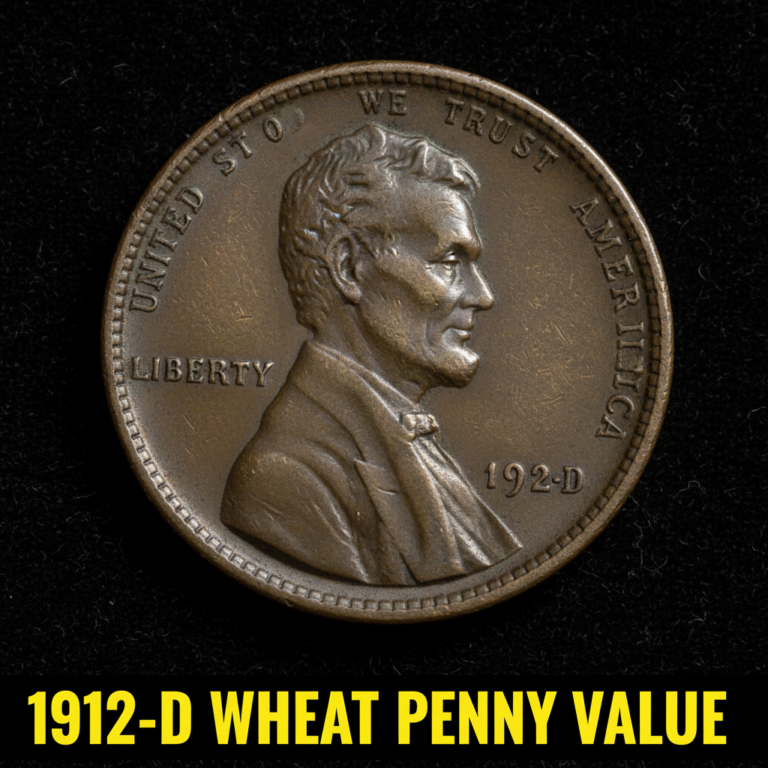
The coin features the classic Victor David Brenner portrait of Abraham Lincoln on the obverse, which has appeared on the Lincoln cent since 1909. On the reverse, you’ll see the Lincoln Memorial design created by Frank Gasparro, which was used from 1959 through 2008. The coin was struck on a bronze-clad zinc planchet — 95% copper and 5% zinc — giving it that familiar warm reddish-brown color when aged or a bright red appearance when uncirculated.
Because 1976 was the U.S. Bicentennial year, many people saved pennies from that year as mementos, which means relatively high numbers of mint-state examples survived compared to some other dates.
How Much Is a 1976-D Penny Worth Today?
For most people, the honest answer is: not a lot in average condition. Circulated 1976-D Lincoln pennies are worth face value or just a tiny premium — typically 1 to 3 cents. However, the value climbs noticeably once you get into uncirculated territory. A coin that never saw pocket change and retains its original mint luster is worth considerably more to collectors.
Here’s a simple breakdown of 1976-D Lincoln penny values by grade:
| Grade / Condition | Estimated Value |
|---|---|
| Good (G-4) | $0.01 – $0.05 |
| Fine (F-12) | $0.05 – $0.10 |
| Extremely Fine (EF-40) | $0.10 – $0.25 |
| Mint State 63 (MS-63 RD) | $1.00 – $3.00 |
| Mint State 65 (MS-65 RD) | $3.00 – $8.00 |
| Mint State 67+ (MS-67+ RD) | $50.00 – $150.00+ |
For the most current auction results and graded coin prices, you can check out detailed 1976-D Lincoln penny price data by mint state grade to see exactly where your coin might fall.
Key Factors That Affect the 1976-D Penny Value
Several things determine how much your 1976-D penny is actually worth. The most important is condition, or “grade” in collector terms. A coin with sharp details, no scratches, and original red luster is worth significantly more than one that’s been worn smooth from years in circulation.
Color is another big factor for Lincoln cents. Uncirculated coins are graded as Red (RD), Red-Brown (RB), or Brown (BN). Red coins — those that have kept their original mint color — command the highest premiums. Brown examples are worth far less, even in high grades.
Errors and varieties can also dramatically increase value. Some 1976-D pennies were struck with doubled dies or other mint errors that make them rare and desirable. If your coin looks slightly off — letters that appear doubled or unusual — it may be worth having a professional look at it.
CoinKnow is a handy app that helps everyday collectors identify their coins, check grades, and track current market values without needing expert knowledge right away. If you’re sorting through a jar of old coins, it can save you a lot of time.
Are Any 1976-D Pennies Rare or Valuable?
While the standard 1976-D Lincoln penny is common, there are exceptions. High-grade examples certified by PCGS or NGC at MS-67 Red or better are genuinely scarce — even though billions were minted, very few survived in pristine condition. These top-pop examples can sell for $50 to $150 or more at auction.
Error coins from 1976-D also attract collector interest. Doubled die errors, off-center strikes, and die cap errors are among the varieties that can push a penny’s value well above face value. Studying a comprehensive 1976 penny value guide covering all mint marks and varieties is a smart way to make sure you’re not overlooking something special.
If you suspect you have an error coin, the best move is to have it authenticated and graded by a professional grading service. Don’t clean it — that almost always reduces value.
CoinKnow can also help you spot potential error coins by comparing your coin’s image against a database of known varieties, right from your smartphone.
Should You Hold On to Your 1976-D Penny?
If your coin is in average worn condition, it’s probably worth face value — but don’t toss it aside without a closer look. Check for mint marks, errors, and the overall sharpness of the design. If it’s uncirculated with a bright red color, it might be worth keeping or selling to a collector.
For anyone building a Lincoln cent collection, the 1976-D is a must-have for a complete set. It’s affordable and easy to find, which makes it a great starter coin. And for those hoping they found a treasure — keep searching that coin jar. You never know what else might be in there.
CoinKnow makes it easy to catalog and value your entire collection in one place, whether you have five coins or five hundred.
—
FAQ
Q: Is a 1976-D penny worth keeping?
A: If it’s in average circulated condition, it’s essentially face value. But if it appears uncirculated with original red color, or shows signs of a mint error, it’s definitely worth holding onto or getting evaluated.
Q: How can I tell if my 1976-D penny is uncirculated?
A: Look for sharp, well-defined details on Lincoln’s portrait and the Lincoln Memorial, along with a bright reddish luster. No wear on the high points of the design is a good sign it may be uncirculated. A coin grading app or local coin dealer can give you a more precise assessment.
Q: Where is the mint mark on a 1976-D penny?
A: The “D” mint mark is located on the obverse (front) of the coin, just below the date on the right side. It’s small but visible with the naked eye or a basic magnifying glass.