2009-D Lincoln Penny Value Guide What Is It Worth Today
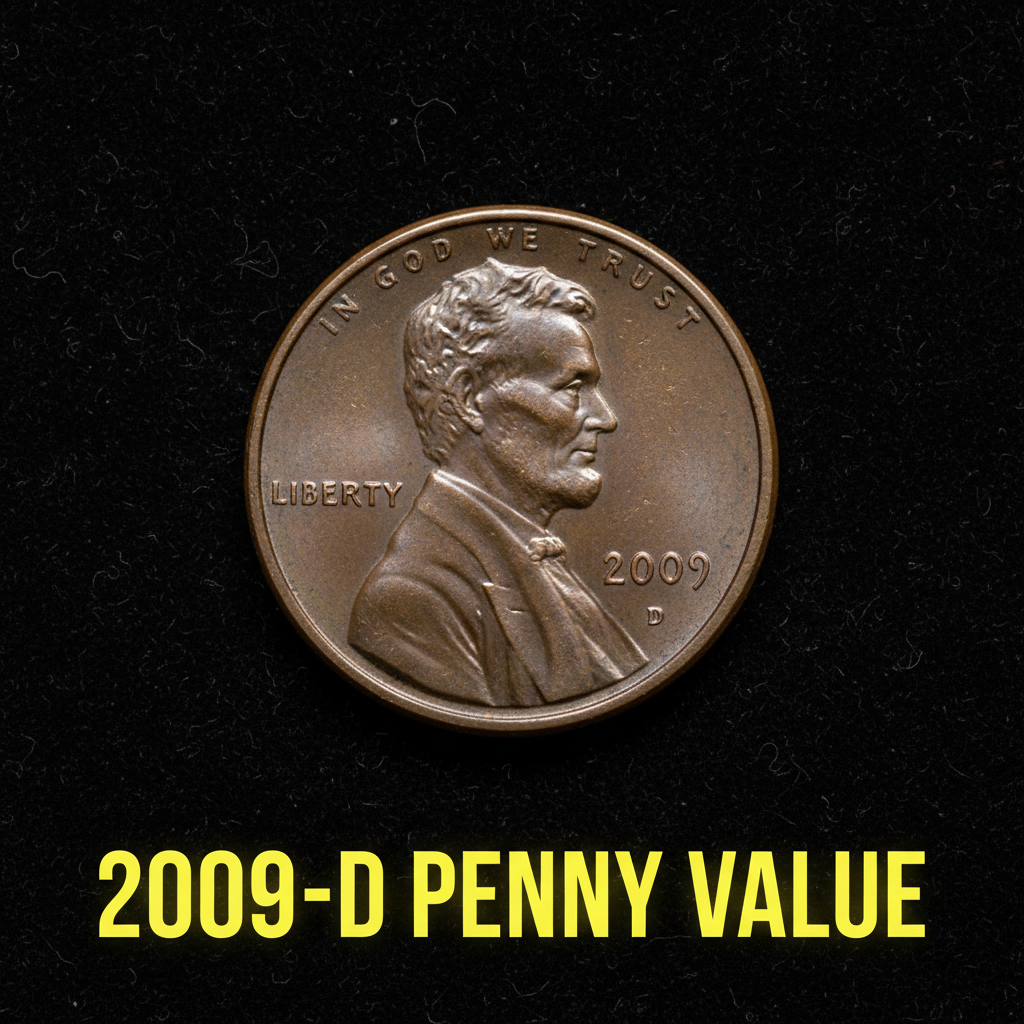
The 2009-D Lincoln Penny is worth face value in circulated condition, but uncirculated examples can fetch anywhere from $0.30 to over $15, with rare high-grade specimens reaching $50 or more. If you found one of these in your change jar, you’re in the right place — let’s break down exactly what it’s worth.
What Makes the 2009-D Penny Special
The 2009-D Lincoln cent is no ordinary penny. Released by the Denver Mint (hence the “D” mintmark), it was part of a four-coin commemorative series celebrating Abraham Lincoln’s 200th birthday. Each coin in the series featured a different design on the reverse, depicting four stages of Lincoln’s life: his Kentucky birthplace, his Indiana formative years, his professional life in Illinois, and his presidency in Washington, D.C.
If you’ve ever used a free coin identifier app to scan your old coins, you may have come across this series and wondered why some 2009 pennies look slightly different from others. That’s because there were four distinct reverse designs issued that year — each collectible in its own right. The Denver Mint struck hundreds of millions of these coins across all four designs, making them relatively common in circulated grades, but genuine mint-state examples are increasingly harder to find.
The coin itself is composed of copper-plated zinc, the same composition used since 1982. It weighs 2.5 grams and measures 19.05 mm in diameter — standard Lincoln cent specs. But its historical significance and commemorative nature give it a collector appeal that most modern pennies simply don’t have.
2009-D Penny Value by Grade and Design
Not all 2009-D pennies are worth the same. Value depends heavily on condition, design type, and whether the coin has been circulated. A worn example pulled from pocket change is typically worth only face value or a few cents over. But an uncirculated coin — one that has never been spent and shows no wear — can be worth several dollars or more.
The four reverse designs are commonly referred to as:
– Early Childhood (Log Cabin)
– Formative Years (Lincoln Reading on a Log)
– Professional Life (Illinois State Capitol)
– Presidency (Capitol Building Under Construction)
Here’s a general value breakdown across grades:
| Grade / Condition | Estimated Value |
|---|---|
| Circulated (Good to Fine) | Face value – $0.05 |
| Extremely Fine (EF-40) | $0.10 – $0.25 |
| Mint State MS-63 | $0.50 – $2.00 |
| Mint State MS-65 | $3.00 – $8.00 |
| Mint State MS-67 Red | $15.00 – $50.00+ |
For a more detailed look at certified auction prices and population data, you can check out the 2009-D Lincoln Early Childhood penny price records in MS Red grades — it’s one of the best free resources for tracking what these coins are actually selling for at major auctions.
How to Tell If Your 2009-D Penny Is Worth More
The secret to a valuable 2009-D penny is all in the details. First, flip the coin over and look for the “D” mintmark just below the date. That confirms it was struck in Denver. Next, examine the surfaces under a loupe or magnifying glass. A coin with full luster, sharp details, and no contact marks or scratches will grade much higher than one with bag marks or dull surfaces.
Color also plays a major role. Lincoln cents in mint state are graded as Red (RD), Red-Brown (RB), or Brown (BN). Red coins — those that have retained 95% or more of their original copper-red luster — are the most desirable and command the highest premiums. A 2009-D penny graded MS-65 Red is worth noticeably more than an MS-65 Red-Brown example of the same design.
CoinKnow is a fantastic tool for new collectors trying to understand these grading nuances. The app walks you through what to look for on Lincoln cents, explains the color designations, and even helps you estimate a grade before you send a coin to a professional grading service. It’s especially helpful if you’re dealing with multiple 2009 penny designs and want to prioritize which ones to get graded.
Should You Get Your 2009-D Penny Graded?
Professional grading from services like PCGS or NGC can significantly increase the resale value of a high-quality 2009-D penny — but it only makes financial sense if your coin is likely to grade MS-65 or higher. Grading fees typically start around $20 to $30 per coin, so submitting a coin worth $1 doesn’t add up.
If you want a quick and easy way to assess your coin before spending money on grading, CoinKnow lets you scan your Lincoln cents and get an estimated grade and value in seconds. It’s a smart first step before making any decisions. For a broader overview of what the entire 2009 penny series is worth across mintmarks and conditions, this complete 2009 penny value breakdown covers all four designs and both the Philadelphia and Denver mint issues side by side.
Serious collectors often pursue complete sets of all four 2009-D designs in high mint state grades, which can make individual high-grade coins more sought after than their price tags suggest. Even if you only have one or two from the series, they’re worth holding onto — especially if they show strong luster and sharp strikes.
FAQ
Q: How many 2009-D pennies were minted?
A: The Denver Mint produced hundreds of millions of 2009-D pennies across all four designs. For example, the 2009-D Early Childhood design had a mintage of approximately 350 million coins, making circulated examples very common. Uncirculated high-grade specimens, however, are far scarcer.
Q: Are all four 2009-D penny designs worth the same amount?
A: Generally, yes — values are similar across the four designs in most grades. However, at the highest mint state levels (MS-67 and above), small differences in population reports can cause one design to command a premium over another. CoinKnow can help you compare values across all four types quickly.
Q: Can I spend a 2009-D penny or should I keep it?
A: Circulated examples are only worth face value, so spending them won’t cost you anything significant. But if your coin looks bright, shiny, and uncirculated, it’s worth holding onto. A gem mint state 2009-D penny could be worth $10 to $50 or more depending on the grade, so it pays to take a closer look before it goes back into your wallet.