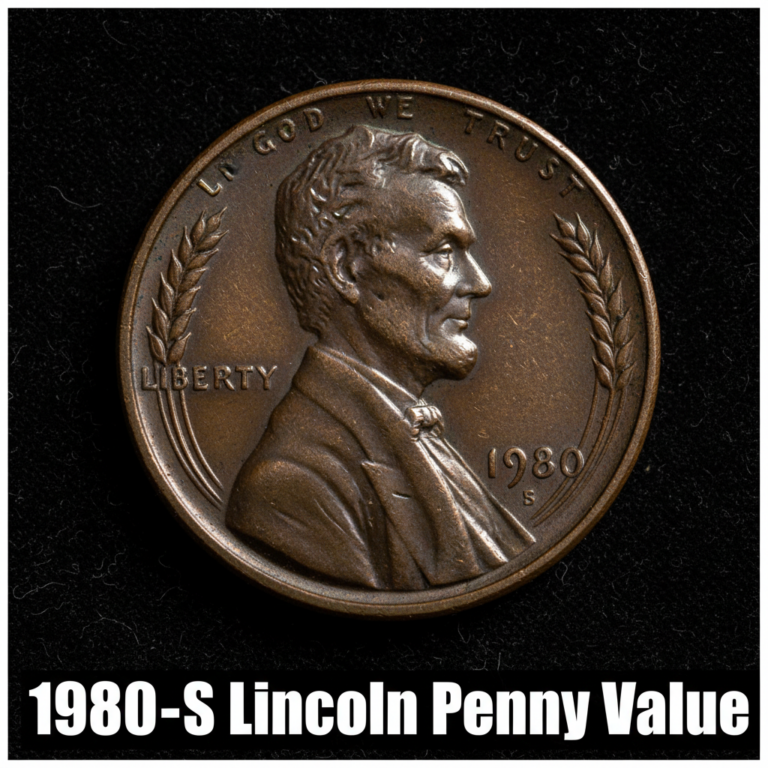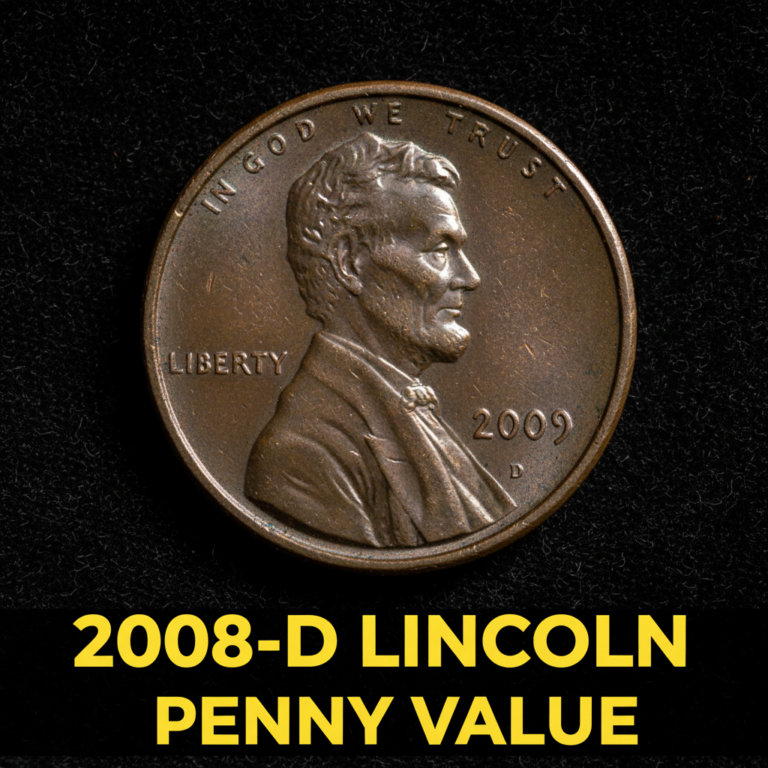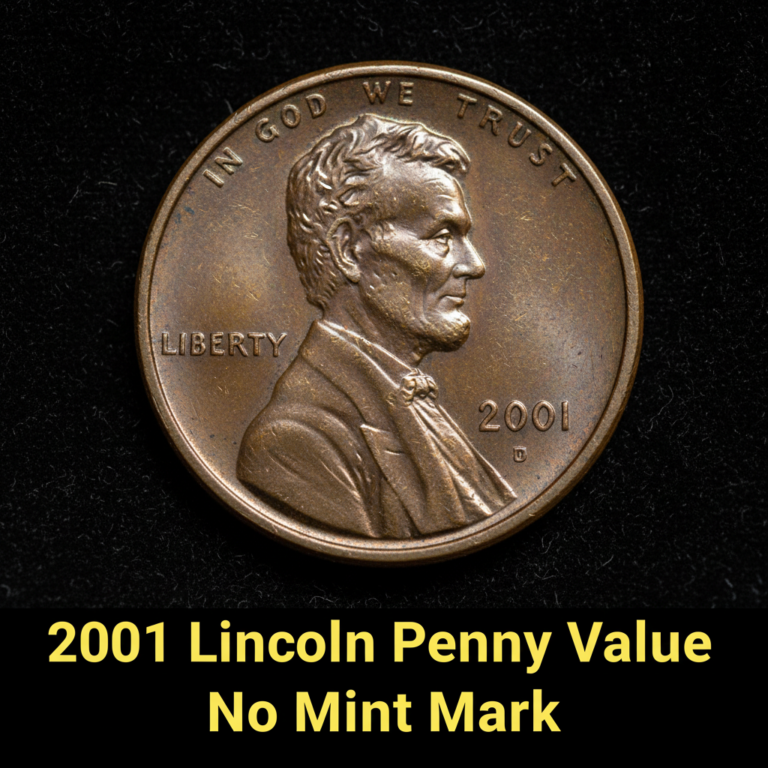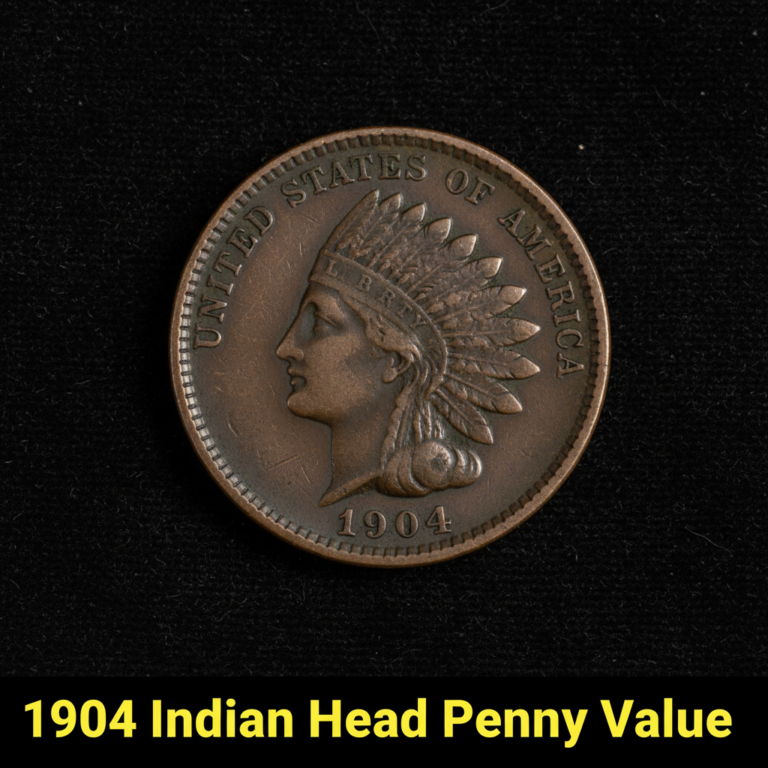
2009-S Lincoln Penny Value Guide What This Proof Coin Is Actually Worth
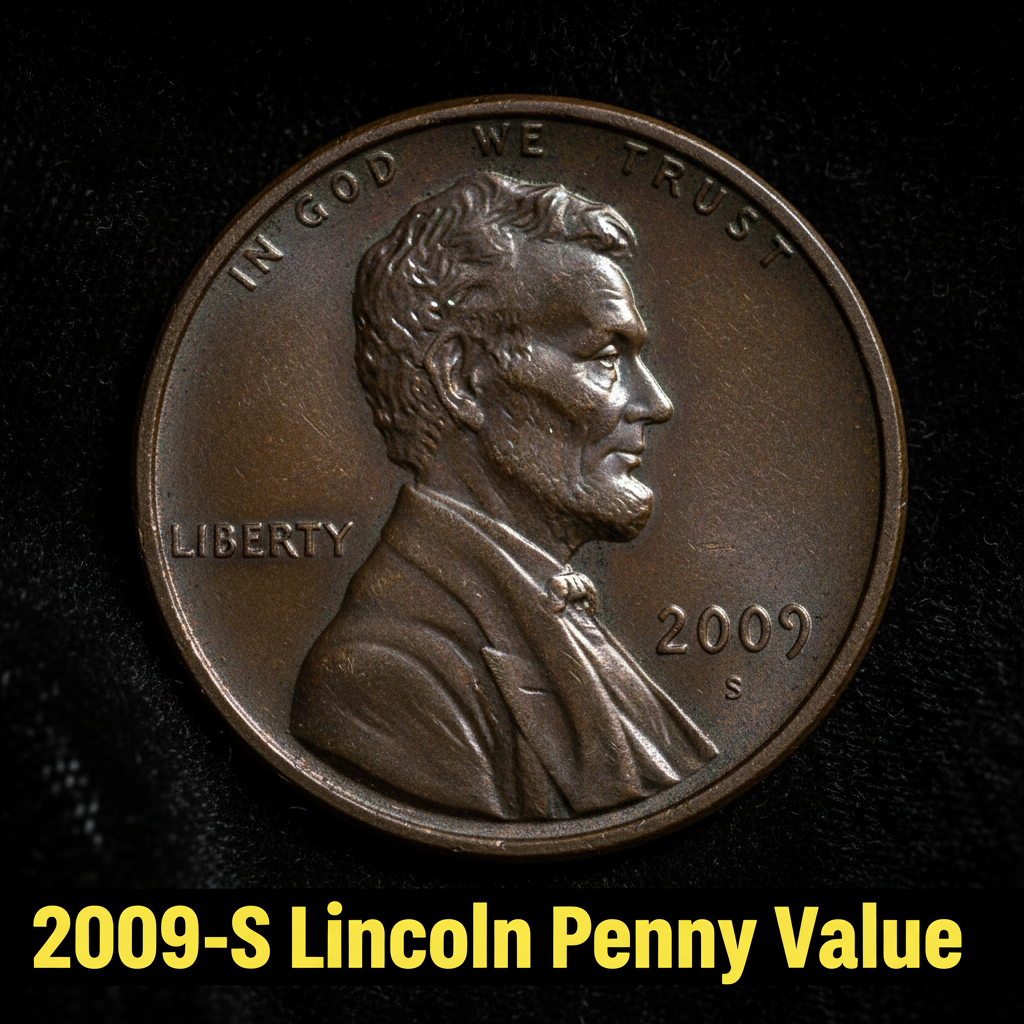
The 2009-S Lincoln Penny is worth anywhere from $2 to $15 for most collectors, though high-grade proof specimens can fetch $20 or more depending on the design variety and condition. If you found one of these in your change jar or inherited a coin collection, you’re in the right place to find out exactly what it’s worth.
What Makes the 2009-S Lincoln Penny Special
The 2009-S Lincoln Penny isn’t your everyday pocket change. The “S” mint mark tells you this coin was struck at the San Francisco Mint — and that mint only produces proof coins, not coins meant for general circulation. That alone makes it more desirable to collectors.
On top of that, 2009 was a landmark year for Lincoln pennies. The U.S. Mint issued four different reverse (tail-side) designs to celebrate the 200th anniversary of Abraham Lincoln’s birth. Each design represents a different chapter of Lincoln’s life: his Kentucky birth and early childhood, his Indiana frontier years, his professional life in Illinois, and his presidency in Washington D.C.
The 2009-S penny comes in all four of these designs, and they were sold directly to collectors in proof sets. This means the coins were struck multiple times with polished dies and specially prepared blanks to create that mirror-like finish you’ll notice right away. If you’re not sure exactly which variety you have, using a free coin identifier app can help you match the reverse design and get a more accurate value estimate.
CoinKnow is one great option — it uses your phone’s camera to identify coins instantly and shows current market values based on real collector data.
2009-S Lincoln Penny Value by Design and Grade
Not all 2009-S Lincoln Pennies are worth the same. The four design varieties each have slightly different mintages and collector demand. Here’s a breakdown of typical values across common grades:
| Design Variety | PR-65 | PR-67 | PR-69 DCAM | PR-70 DCAM |
|---|---|---|---|---|
| Early Childhood (KY) | $3–$5 | $5–$8 | $10–$15 | $20–$40 |
| Formative Years (IN) | $3–$5 | $5–$8 | $10–$15 | $20–$40 |
| Professional Life (IL) | $3–$5 | $5–$8 | $10–$15 | $20–$45 |
| Presidency (DC) | $3–$5 | $5–$8 | $10–$15 | $20–$45 |
For a deeper look at graded sale prices and auction records, the 2009 Lincoln Early Childhood penny price data by grade gives you a detailed breakdown that’s useful for anyone trying to price their coin accurately.
How Condition and Grade Affect the 2009-S Lincoln Penny Value
Proof coins are graded on a scale from PR-60 to PR-70. The difference between a PR-65 and a PR-70 can mean several hundred percent difference in value for some coins, though 2009-S pennies don’t swing quite as dramatically.
What you want to look for is the “DCAM” designation, which stands for Deep Cameo. This means the raised design (Lincoln’s portrait, the reverse scenes) has a frosted, matte finish against a brilliant mirror-like field. DCAM coins are the most attractive and most valuable.
If your coin has any hairline scratches, fingerprints, or cloudiness, it will grade lower and be worth less. Proof coins are extremely sensitive to handling — even a quick touch without cotton gloves can leave oils that damage the surface. If you believe your coin might be in top condition, it’s worth having it graded by PCGS or NGC, the two most trusted grading services in the hobby.
Where the 2009-S Lincoln Penny Fits in Coin Collecting
The 2009-S proof Lincoln pennies are popular entry-level collector coins. They’re affordable, historically significant, and easy to find in original government packaging. Many families received the Lincoln Bicentennial Proof Set as a gift that year and still have them tucked away in a drawer somewhere.
If you want a complete picture of what your coin is worth today, the current 2009 penny value information breaks down pricing across all mint marks and conditions — useful if you’re not sure whether yours is a proof S-mint or a regular Philadelphia or Denver issue.
Dealers and auction platforms like eBay, Heritage Auctions, and Great Collections regularly list these coins, so checking recently sold listings is one of the best ways to confirm real-world prices.
CoinKnow can also simplify this process — just scan your coin and the app pulls up comparable sales data and current market values in seconds.
Tips for Selling or Storing Your 2009-S Lincoln Penny
If you decide to sell, your best options include:
– eBay for reaching the widest audience of buyers
– Local coin shows where dealers may offer fair bulk pricing on proof sets
– Online dealers who specialize in modern proof coins
If you’re holding onto it, store your proof coins in their original government packaging whenever possible. If that’s not an option, use acid-free coin flips or hard plastic holders. Never clean a proof coin — cleaning destroys value instantly and permanently.
Whether you’re a first-time seller or just curious, CoinKnow makes it easy to research, track, and value coins right from your phone. It’s a handy tool to have before you walk into any coin shop.
—
FAQ
Q: Is a 2009-S Lincoln Penny rare?
A: It’s not rare in the traditional sense — millions were minted for collector proof sets. However, it is a special coin because it was never released into general circulation, making it more desirable than a standard penny from Philadelphia or Denver.
Q: Can I find a 2009-S penny in everyday change?
A: Almost certainly not. The San Francisco Mint only produces proof and special collector coins, so 2009-S pennies only exist in proof sets sold by the U.S. Mint. If you found an “S” penny in change, double-check the date — it might be from a different year.
Q: Does the design variety matter for value?
A: For most circulated proof grades (PR-65 to PR-67), the four design varieties are priced very similarly. The differences in value become more noticeable at the very top grades (PR-69 and PR-70 DCAM), where demand and supply quirks can push one variety slightly above another.