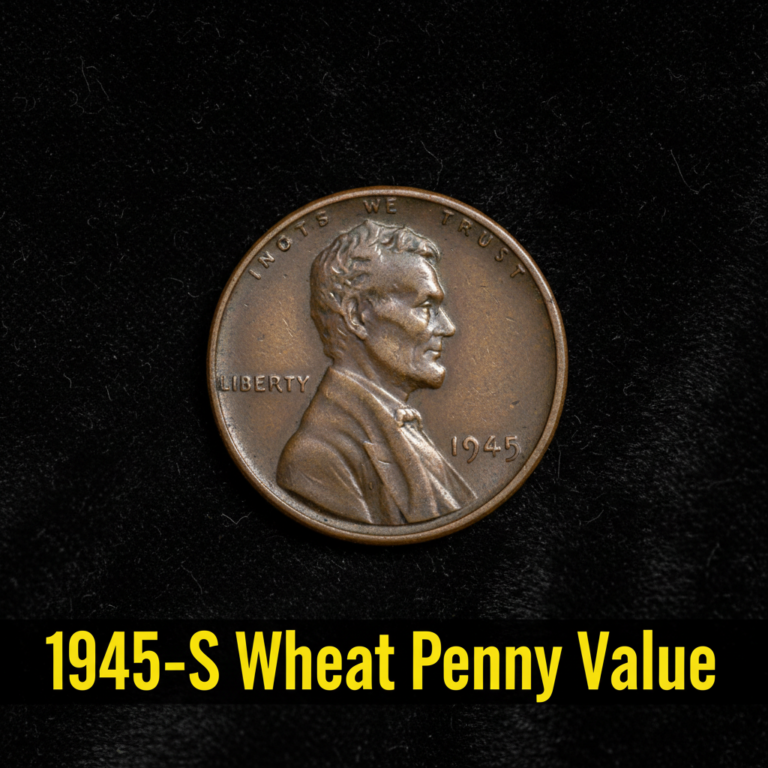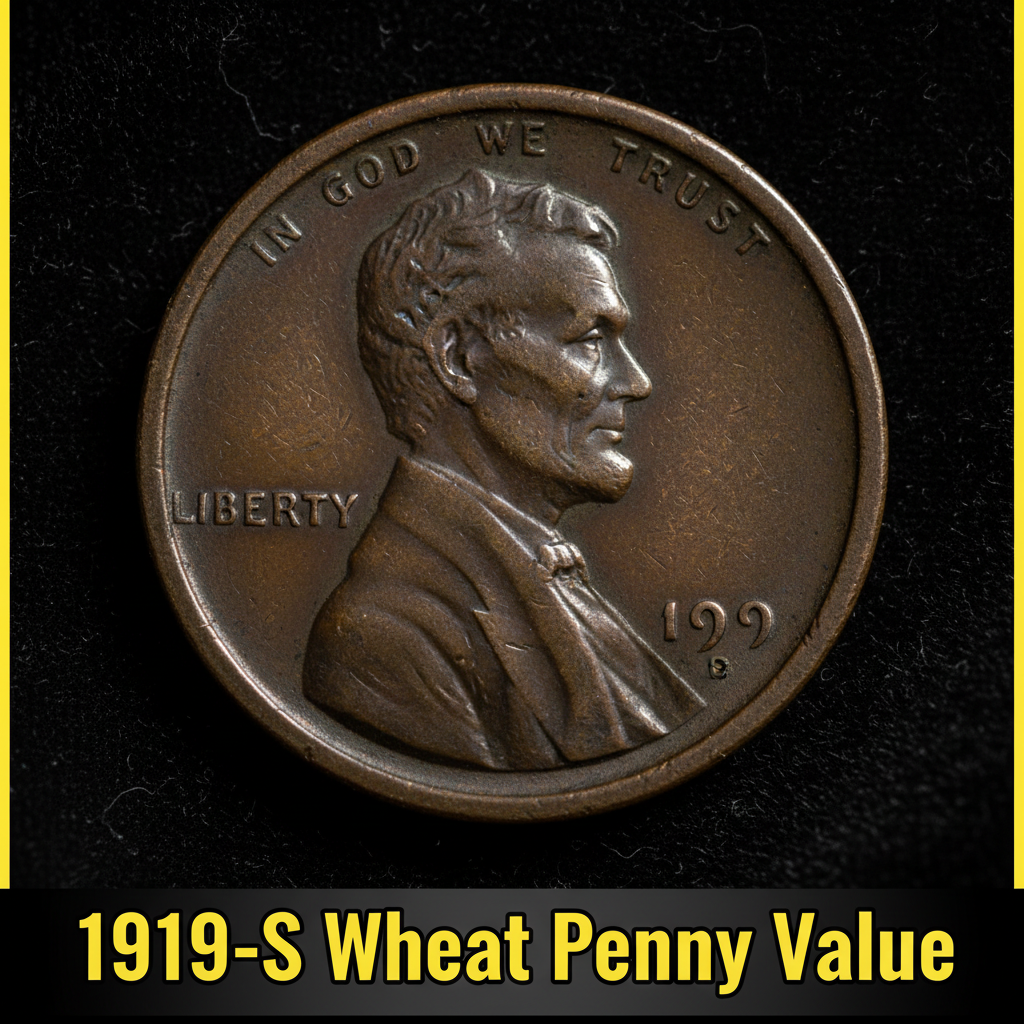
1919-S Wheat Penny Value Guide How Much Is It Really Worth
The 1919-S Wheat Penny is worth anywhere from $0.50 in heavily worn condition to well over $100 in mint state, with top-grade examples fetching several hundred dollars at auction. If you just found one of these old Lincoln cents in a jar or inherited collection, you’re in the right place.
What Makes the 1919-S Wheat Penny Special
The “S” in 1919-S tells you this coin was struck at the San Francisco Mint, one of three facilities producing Lincoln Wheat Pennies that year — the others being Philadelphia and Denver. San Francisco coins from this era tend to be slightly scarcer in high grades simply because fewer survived in pristine condition after a century of circulation. The 1919-S had a mintage of about 139 million coins, which sounds like a lot, but most of those saw heavy everyday use. Finding one in great shape is still a genuine thrill. If you’re unsure whether your coin has an “S” mintmark, look just below the date on the obverse — a tiny letter there tells you everything. Using a free coin identifier app on your phone can help you confirm the mintmark and get a quick ballpark value before you dig deeper into research. Tools like CoinKnow are especially handy for beginners because they walk you through the grading basics without any numismatic jargon.
1919-S Wheat Penny Value by Grade
Coin values depend almost entirely on condition, also called “grade.” A coin that looks like it tumbled through a cash register for fifty years is worth far less than one that spent those same decades sitting in a drawer untouched. Here’s a straightforward breakdown of what you can realistically expect for a 1919-S Lincoln Wheat Penny at different grades:
| Grade | Condition Description | Estimated Value |
|---|---|---|
| Good (G-4) | Heavy wear, outlines visible | $0.50 – $1.50 |
| Very Good (VG-8) | Moderate wear, main features clear | $2 – $4 |
| Fine (F-12) | Light to moderate wear | $4 – $8 |
| Extremely Fine (EF-40) | Slight wear on high points only | $20 – $35 |
| About Uncirculated (AU-55) | Trace wear, strong luster | $40 – $65 |
| Mint State (MS-63) | No wear, moderate bag marks | $85 – $150 |
| Mint State (MS-65 RD) | Gem, full original red luster | $300 – $600+ |
For the most current pricing data, you can check out detailed 1919-S Wheat Penny MS-RD price records by grade, which tracks real auction results so you’re always working with up-to-date numbers rather than outdated price guides.
How to Assess the Condition of Your 1919-S Penny
You don’t need to be a professional grader to get a rough idea of what your coin is worth. Start by looking at Lincoln’s cheekbone and the wheat stalks on the reverse — these are the highest points on the coin and the first areas to show wear. If those details are razor sharp, you might have something in the AU or even mint state range. If they’re completely flat, you’re looking at a Good or Very Good coin. Color also matters: original reddish-brown or full red coins command premiums over brown examples. Never clean your coin with anything — even a gentle wipe can scratch the surface and dramatically reduce its value. Collectors and dealers can spot a cleaned coin immediately, and it will sell for significantly less than a naturally toned example in comparable condition.
Where the 1919-S Penny Sits in the Wheat Penny Series
Within the entire Lincoln Wheat Penny series (1909–1958), the 1919-S is considered a common date in circulated grades. You won’t retire on a worn example, but it’s still a legitimate piece of American history over a century old. Where it gets interesting is in high mint state grades with full red color. Most 1919-S pennies in collector hands are brown or red-brown, so a gem red example stands out immediately at any auction. If you have one that looks unusually bright or orange-red in color, that’s worth getting professionally graded by PCGS or NGC. The certification fee pays for itself quickly on coins that turn out to be MS-65 RD or better. You can also explore a complete breakdown of 1919 penny values across all three mint locations to compare your S-mint example against the Philadelphia and Denver issues side by side.
Selling Your 1919-S Wheat Penny
If you’ve decided to sell, your options range from eBay and Etsy to local coin shops, coin shows, and online auction platforms like Heritage Auctions or Great Collections. For common circulated coins worth under $10, eBay is probably your easiest route with the broadest audience. For higher-grade examples, a reputable auction house will net you the best return because serious collectors are actively bidding. Before you sell anything, do your homework on recent sold listings — not asking prices, but actual completed sales. CoinKnow is a great resource here because it aggregates market data and shows you what buyers are genuinely paying right now, not what sellers hope to get. A little research before listing can mean the difference between leaving money on the table and getting fair market value.
Frequently Asked Questions
Q: How do I know if my penny is a 1919-S and not a 1919-D or plain 1919?
A: Look directly beneath the date on the obverse (front) of the coin. A small “S” means San Francisco, “D” means Denver, and no letter means Philadelphia. You may need a magnifying glass since the mintmark is tiny. CoinKnow has a mintmark identification feature that can help if you’re struggling to read it.
Q: Is a 1919-S penny worth getting professionally graded?
A: Only if it appears to be in uncirculated or near-uncirculated condition. Professional grading from PCGS or NGC typically costs $30–$50 per coin at standard service levels, so it only makes financial sense if the coin’s potential value in a holder exceeds that cost. A coin in Good or Fine condition is not worth submitting.
Q: Does the color of my 1919-S wheat penny affect its value?
A: Absolutely. Grading services designate copper coins as Red (RD), Red-Brown (RB), or Brown (BN). A full Red designation can double or even triple the value of a mint state example compared to a Brown coin in the same numeric grade. Avoid cleaning your coin in any attempt to restore color — it will only hurt the value.