1921 Wheat Penny Value No Mint Mark What It’s Really Worth Today
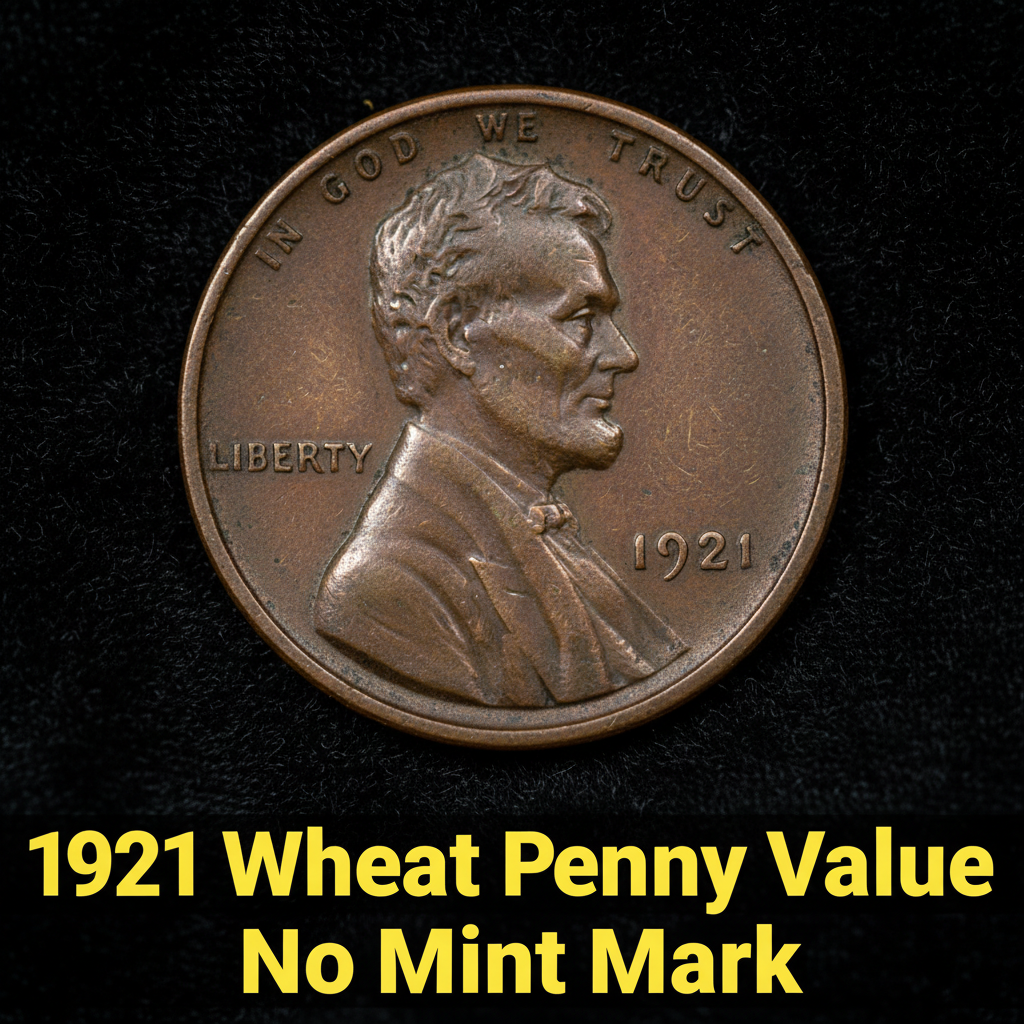
The 1921 Wheat Penny with no mint mark is worth anywhere from $0.50 in heavily worn condition to over $100 or more in pristine mint state. Most people find these old cents in change jars or estate boxes — and yes, some of them are genuinely valuable. Here’s what you need to know.
How to Tell If Your 1921 Penny Has No Mint Mark
Before diving into values, let’s make sure you’re looking at the right coin. The 1921 Lincoln Wheat Penny with no mint mark was struck at the Philadelphia Mint — and Philadelphia coins from this era don’t carry any mint mark at all. To check, flip your penny over and look just below the “ONE CENT” text on the reverse. If you see nothing there, you’ve got a Philadelphia coin.
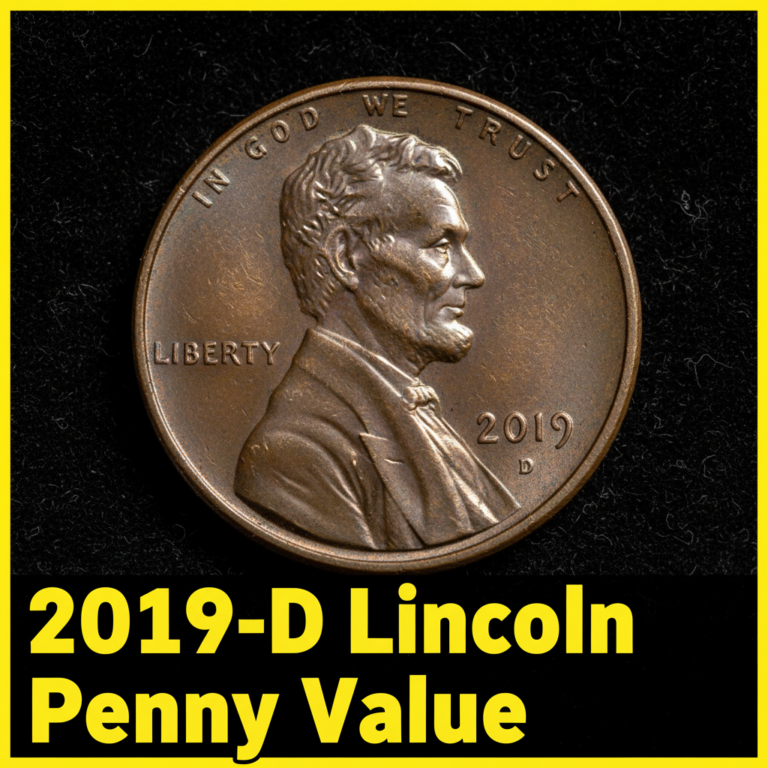
The 1921 Wheat Penny is part of the beloved Lincoln Wheat Cent series, which ran from 1909 to 1958. These coins feature Abraham Lincoln on the obverse and two wheat stalks framing “ONE CENT” on the reverse. If you’re not sure whether what you have is genuine or need help identifying the coin, a free coin identifier app can help you confirm the date, mint mark, and series in seconds — a handy first step before heading to a dealer.
The Philadelphia Mint produced around 39.2 million of these pennies in 1921, making them moderately available today but still collectible, especially in higher grades.
1921 Wheat Penny Value by Condition
Condition — also called “grade” in the coin collecting world — is the single biggest factor that determines what your 1921 penny is worth. A coin that’s been rattling around in someone’s pocket for decades looks very different from one that spent a century in a velvet-lined collection box.
Here’s a quick value guide based on typical market prices:
| Grade / Condition | Description | Estimated Value |
|---|---|---|
| Good (G-4) | Heavy wear, design visible but flat | $0.50 – $1.00 |
| Fine (F-12) | Moderate wear, some detail visible | $1.50 – $3.00 |
| Very Fine (VF-20) | Light wear on high points | $4.00 – $8.00 |
| Extremely Fine (EF-40) | Slight wear only on highest points | $12.00 – $20.00 |
| About Uncirculated (AU-50) | Trace wear, most luster intact | $25.00 – $40.00 |
| Mint State Red (MS-63 to MS-65) | No wear, original red luster | $75.00 – $150.00+ |
For up-to-date auction results and certified sale prices, you can check the 1921 Wheat Penny MS-RD price data to see exactly what top-grade examples have sold for in recent market activity.
What Makes the 1921 No Mint Mark Penny Special
The year 1921 sits in an interesting spot in American history. The country was transitioning out of World War I, and the U.S. Mint was managing coin production carefully. While the 1921 Wheat Penny isn’t a rare date, it’s not as common as some years in the 1940s and 1950s. Finding one in Fine or better condition is a small win — and finding one in Uncirculated condition is genuinely exciting.
Color matters a lot for Mint State coins. Copper pennies are graded as Red (RD), Red-Brown (RB), or Brown (BN) depending on how much original luster remains. Red coins are the most desirable and fetch the highest prices. If your 1921 penny still has a warm copper glow, that’s a great sign.
CoinKnow is a popular app among collectors that can help you evaluate coin color, grade, and current market pricing — all from your phone. It takes the guesswork out of the process, especially for beginners.
Where to Learn More About 1921 Penny Value
If you want to dig deeper into what your 1921 penny might be worth based on specific conditions or recent auction results, there are solid resources online. One helpful reference is this detailed breakdown of 1921 penny value across all grades and mint marks, which walks through pricing in a clear, easy-to-follow way.
Collectors and casual finders alike benefit from comparing multiple sources before selling. Prices can vary between private sales, coin shows, and auction platforms like eBay or Heritage Auctions. Always check recent “sold” listings rather than asking prices, since asking prices can be wildly inflated.
CoinKnow also lets you scan your coins and compare them against recent sold prices — it’s one of the easiest ways to get a ballpark number before you visit a local coin dealer or list the coin online.
Tips for Selling or Keeping Your 1921 Wheat Penny
If your coin grades Fine or below, it’s probably more of a keepsake than a big payday — but it’s still a piece of American history. If it grades Very Fine or better, it might be worth getting it professionally certified by PCGS or NGC. Certified coins sell for more and attract serious buyers.
Don’t clean your coin. Even if it looks dark or grimy, cleaning removes the natural patina and dramatically reduces value. Dealers can spot cleaned coins immediately, and a cleaned 1921 penny in “Good” condition is worth far less than an unaltered one.
Store it in a soft plastic flip or airtight holder to prevent further wear and protect the surface from environmental damage.
—
FAQ
Q: How much is a 1921 Wheat Penny with no mint mark worth?
A: Most 1921 Wheat Pennies with no mint mark are worth between $0.50 and $3 in circulated condition. High-grade Mint State examples with original red color can sell for $75 to $150 or more.
Q: Is the 1921 penny rare?
A: The 1921 Philadelphia Mint penny is not considered rare — about 39 million were made. However, finding one in Extremely Fine or Uncirculated condition is uncommon and adds significant value.
Q: Should I get my 1921 penny graded?
A: If the coin appears to be in Very Fine condition or better, professional grading from PCGS or NGC is worth considering. The cost of grading typically makes sense only for coins likely to be worth $50 or more. You can use CoinKnow to get a quick estimate before deciding whether certification is worthwhile.