1923 Wheat Penny Value No Mint Mark and What It Could Be Worth Today
If you’ve got a 1923 Wheat Penny with no mint mark sitting in an old jar or inherited coin collection, here’s the good news: the 1923 Wheat Penny with no mint mark is worth anywhere from $0.35 in heavily worn condition to over $100 or more in top mint state grades, with some exceptional examples fetching even higher prices at auction.
If you’re not sure whether what you’re holding is actually a 1923 Wheat Penny, you can use a free coin identifier app to confirm the coin type and get a quick baseline estimate before diving deeper into its value.
What Is the 1923 Wheat Penny No Mint Mark?
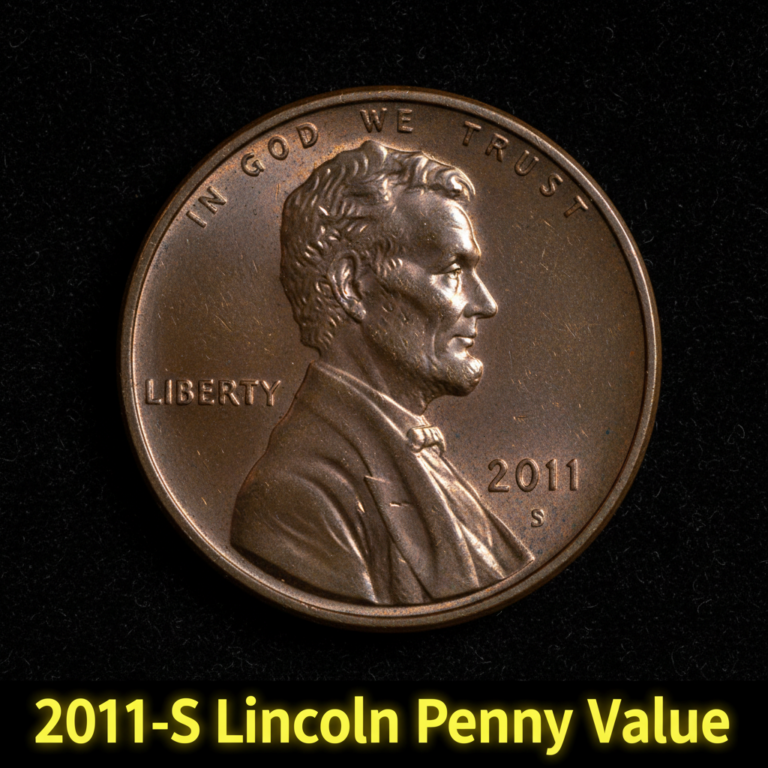
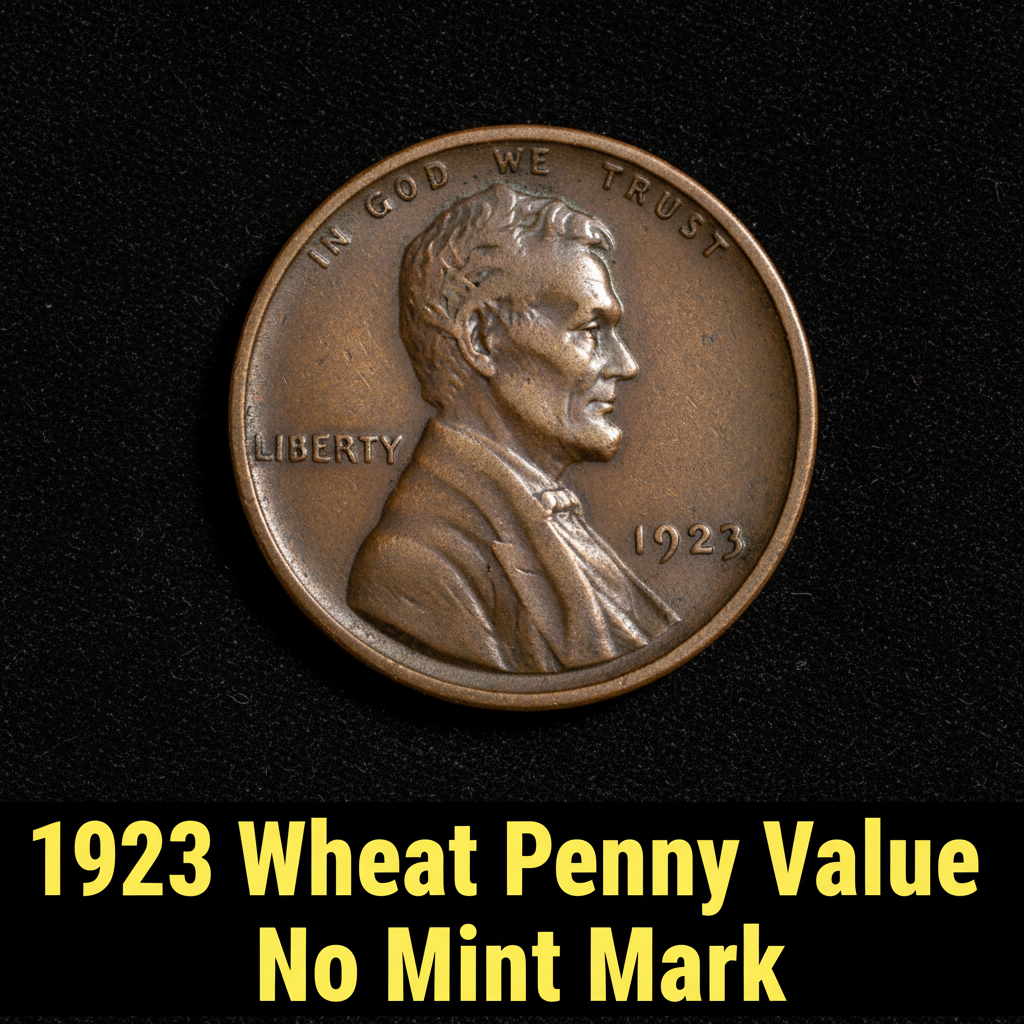
The 1923 Wheat Penny with no mint mark was struck at the Philadelphia Mint, which was standard practice — Philadelphia coins of this era didn’t carry a mint mark. That year, the Philadelphia Mint produced approximately 74,723,000 Lincoln Wheat Cents, making it a relatively common date in circulated grades. However, “common” doesn’t mean worthless. Coins from 1923 are now over a century old, and well-preserved examples are genuinely hard to find. The Lincoln Wheat Cent series, designed by Victor David Brenner, features the iconic portrait of Abraham Lincoln on the obverse and two stalks of wheat framing “ONE CENT” on the reverse. These coins were minted from 95% copper, which gives them that warm reddish-brown color collectors love. The 1923 no mint mark issue is a solid entry point for anyone new to Lincoln cent collecting.
1923 Wheat Penny Value by Grade
The condition of your coin matters enormously when it comes to value. A coin that’s been rattling around in someone’s pocket for decades will be worth far less than one that was tucked away safely and never circulated. Here’s a breakdown of typical values across different grades:
| Grade | Description | Estimated Value |
|---|---|---|
| Good (G-4) | Heavy wear, flat details, date visible | $0.35 – $0.75 |
| Fine (F-12) | Moderate wear, some detail remains | $1.50 – $3.00 |
| Extremely Fine (EF-40) | Light wear on high points | $6.00 – $12.00 |
| Uncirculated (MS-63) | No wear, minor bag marks | $25 – $45 |
| Gem Uncirculated (MS-65 RD) | Full red luster, minimal marks | $80 – $150+ |
For a deeper look at 1923 Wheat Penny prices in mint state red grades, professional registry data can help you understand what top-tier examples are actually selling for.
What Makes a 1923 Wheat Penny More Valuable?
Not all 1923 no mint mark cents are equal. Color designation plays a huge role — coins graded “RD” (Red) retain most of their original copper luster and command significantly higher prices than “RB” (Red-Brown) or “BN” (Brown) examples of the same numeric grade. Strike quality also matters. Some 1923 Philly cents show weak strikes on Lincoln’s cheekbone and the wheat stalks, while sharply struck examples are more desirable to collectors. Look for strong detail on Lincoln’s hair, his ear, and the lettering. Additionally, coins free from environmental damage — no cleaning, no spots, no corrosion — are worth considerably more. A cleaned coin can lose 50–80% of its numismatic value overnight. If you want detailed 1923 Penny value information across all grades and varieties, it’s worth consulting a reliable reference before selling or buying.
How to Check Your 1923 Wheat Penny at Home
You don’t need to be an expert to get started. First, look at the reverse — if you see no mint mark below the date on the obverse (and there’s no “D” for Denver or “S” for San Francisco), you’ve got a Philadelphia coin. Next, assess the wear honestly. Can you see Lincoln’s cheekbones and jawline clearly? Are the wheat stalks on the reverse sharp? These are signs of a better-grade coin. Use a magnifying glass to look for any cleaning marks (hairline scratches) or damage. CoinKnow is a great tool for this — you can scan your coin with the app and get an instant grade estimate along with current market value ranges. It’s especially helpful if you’ve found a handful of old coins and want to sort through them quickly without paying for a professional appraisal right away.
Should You Get Your 1923 Wheat Penny Graded?
If your coin looks like it might grade MS-64 or higher, professional grading through PCGS or NGC could be worth the investment. A graded and slabbed MS-65 RD example is far easier to sell and typically commands a premium over raw coins. For coins in circulated grades, professional grading usually isn’t cost-effective — the grading fee would exceed the coin’s value. In those cases, CoinKnow and similar tools can give you a solid ballpark. If you’ve inherited a large collection with multiple Wheat Pennies, CoinKnow can help you quickly identify which pieces deserve a closer look and which are everyday circulated coins worth a dollar or two.
—
FAQ
Q: How do I know if my 1923 Penny is from Philadelphia?
A: Philadelphia cents from this era have no mint mark. Check just below the date on the obverse — if there’s no letter, it’s a Philadelphia coin.
Q: Is a 1923 Wheat Penny worth cleaning to improve its appearance?
A: Absolutely not. Cleaning a coin damages the surface and destroys its numismatic value. Even a lightly cleaned coin is worth significantly less than an original, uncleaned example in the same grade.
Q: What’s the most valuable 1923 Wheat Penny ever sold?
A: A 1923 Lincoln Wheat Cent graded MS-67 RD by PCGS sold for several thousand dollars at auction. High-grade red examples are genuinely rare and attract serious collector interest.