1874 Indian Head Penny Value: What Your Old Coin Is Actually Worth
The 1874 Indian Head Penny is worth anywhere from $3 to $15 in heavily worn condition, but well-preserved examples can fetch $50 to $150 or more — and top-grade mint state coins have sold for thousands. If you just found one of these beauties, you’re in the right place.
Whether you dug it out of an old jar or inherited it from a grandparent, the 1874 Indian Head Penny has real collector appeal. Before you sell or trade it, it pays to understand exactly what drives its value. A good place to start is downloading a free coin identifier app to get a quick read on your coin’s condition and approximate worth. Apps like CoinKnow make it easy for everyday people to identify coins at home using just a smartphone camera — no coin shop visit required.
—
What Makes the 1874 Indian Head Penny Special
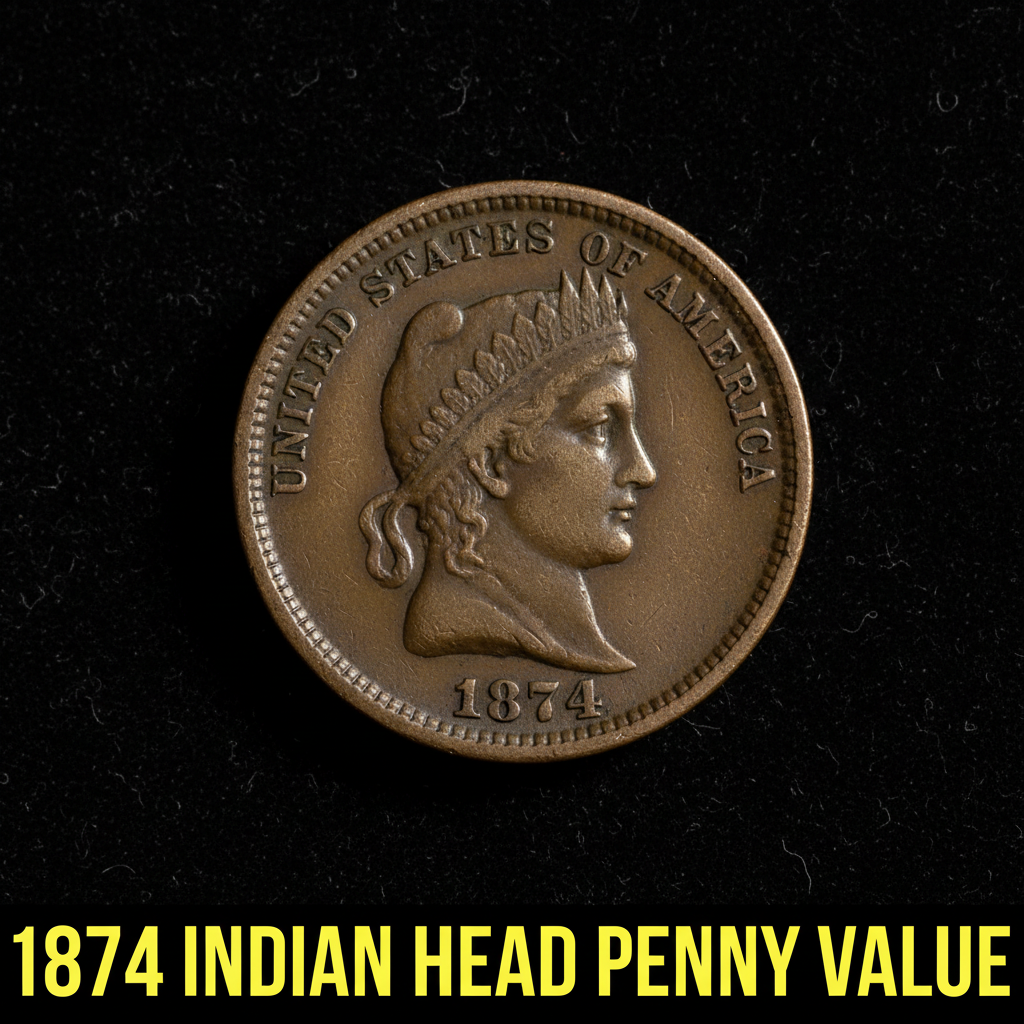
The 1874 Indian Head Penny was minted in Philadelphia, the only mint producing this series at the time. That year, the U.S. Mint struck just over 14.1 million pennies — a relatively modest mintage compared to later years in the series, which helps support collector demand today.
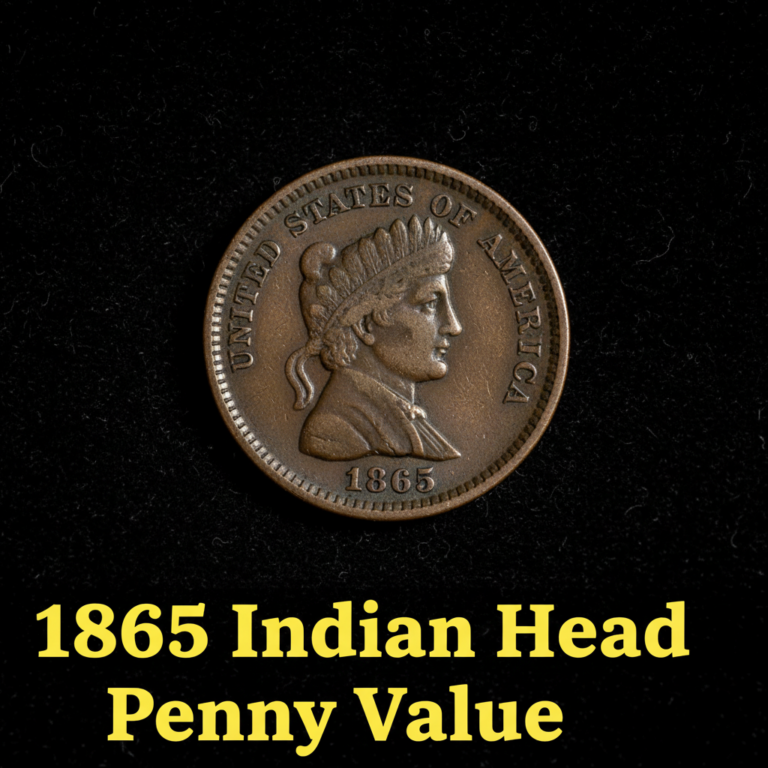
Designed by James Barton Longacre, the coin features Lady Liberty wearing a Native American headdress on the obverse, with a laurel and oak wreath surrounding the words “ONE CENT” on the reverse. By 1874, the composition was 95% copper and 5% tin and zinc — giving surviving examples that warm reddish-brown color collectors love.
Because these coins are now 150 years old, finding one in truly excellent shape is rare. Most that show up in old collections or estate sales show heavy wear, but that doesn’t mean they’re worthless. Even a well-circulated 1874 penny in Good (G-4) grade is a coin with genuine historical value — and the right buyer will pay for it.
—
1874 Indian Head Penny Value by Grade
Coin value depends almost entirely on condition. Here’s a straightforward breakdown of what you can typically expect to pay or receive based on grade:
| Grade | Description | Estimated Value |
|---|---|---|
| Good (G-4) | Heavy wear, design visible | $3 – $6 |
| Very Good (VG-8) | Moderate wear, details clearer | $8 – $14 |
| Fine (F-12) | Even wear, legends sharp | $18 – $28 |
| Extremely Fine (EF-40) | Light wear on high points | $55 – $80 |
| About Uncirculated (AU-55) | Slight wear, mostly original luster | $100 – $140 |
| Mint State Brown (MS-63 BN) | No wear, brown toning | $175 – $250 |
| Mint State Red (MS-65 RD) | Full original red color | $1,000 – $3,500+ |
For a deeper look at certified auction results and current market prices, the 1874 Indian Head Penny MS-RD price data at CoinHix gives you real sale records from top grading services — a great reference before you buy or sell.
—
Color Designation and Why It Matters So Much
One thing that surprises first-time sellers is how dramatically color affects value on copper coins. For the 1874 Indian Head Penny, grading services like PCGS and NGC assign one of three color designations: Red (RD), Red-Brown (RB), or Brown (BN).
A fully red example — meaning the coin has retained close to 100% of its original mint luster — can be worth five to ten times more than a brown coin of the same numeric grade. That’s not an exaggeration. An MS-64 Brown might bring $200, while an MS-64 Red could sell for $1,500 or more at auction.
How do you know what color yours is? Natural light is your friend. A true red coin will glow with a warm copper-orange brilliance. A brown coin looks darker and more muted. Most circulated coins will fall into the brown category simply from years of handling and exposure — but if you’re holding something that still shines bright, it’s worth getting professionally graded.
If you want to track how values for similar coins have moved over time, checking out detailed Indian Head Penny value data across the series gives useful context for understanding how year, grade, and color all interact to set prices.
—
How to Get the Most Money for Your 1874 Penny
If you believe your coin is in Fine or better condition, here are some practical tips to maximize what you get:
Don’t clean it. This is the number one mistake new sellers make. Cleaning removes original surface and destroys value — even if the coin looks shinier afterward, trained collectors and dealers will immediately spot it and discount the price heavily.
Get it graded if it looks uncirculated. Submitting to PCGS or NGC costs money upfront, but a certified MS-65 RD coin in a slab can sell for multiples of what the same raw coin would bring. The authentication also protects buyers and builds trust.
Use multiple selling channels. eBay completed listings show you exactly what similar coins have sold for recently. Heritage Auctions and Stack’s Bowers are better for high-grade examples. For lower-grade coins, a local coin show or dealer might be your fastest option.
Use technology. CoinKnow is a smart coin identification and valuation app that gives you an instant baseline estimate and helps you understand what grade your coin might fall into — all before you talk to a single dealer. It’s one of the best tools available for everyday collectors.
—
FAQ
Q: Is a 1874 Indian Head Penny rare?
A: It’s not considered a key date, but with only 14.1 million minted and 150 years of circulation, finding one in high grade is genuinely uncommon. Most surviving examples show heavy wear. In mint state with original red color, it’s absolutely scarce.
Q: Should I have my 1874 Indian Head Penny professionally graded?
A: It depends on condition. If your coin looks like it was never heavily circulated and still has some luster or original color, professional grading could significantly increase its marketability and value. For heavily worn coins in Good or Very Good, the grading fee likely isn’t worth it.
Q: Can I use an app to find out what my 1874 Indian Head Penny is worth?
A: Yes — and it’s a great first step. CoinKnow lets you scan your coin and get an instant identification and value estimate based on current market data. It won’t replace a professional appraisal for high-value coins, but it’s perfect for getting a quick, informed starting point before you decide what to do next.