1911 Wheat Penny Value No Mint Mark What It’s Really Worth
The 1911 Wheat Penny with no mint mark is worth anywhere from $2 in heavily worn condition to over $100 or more in high mint state grades — and truly exceptional examples have sold for several hundred dollars at auction. If you just found one of these old cents, you’re in the right place.
—
What Is the 1911 Wheat Penny No Mint Mark?
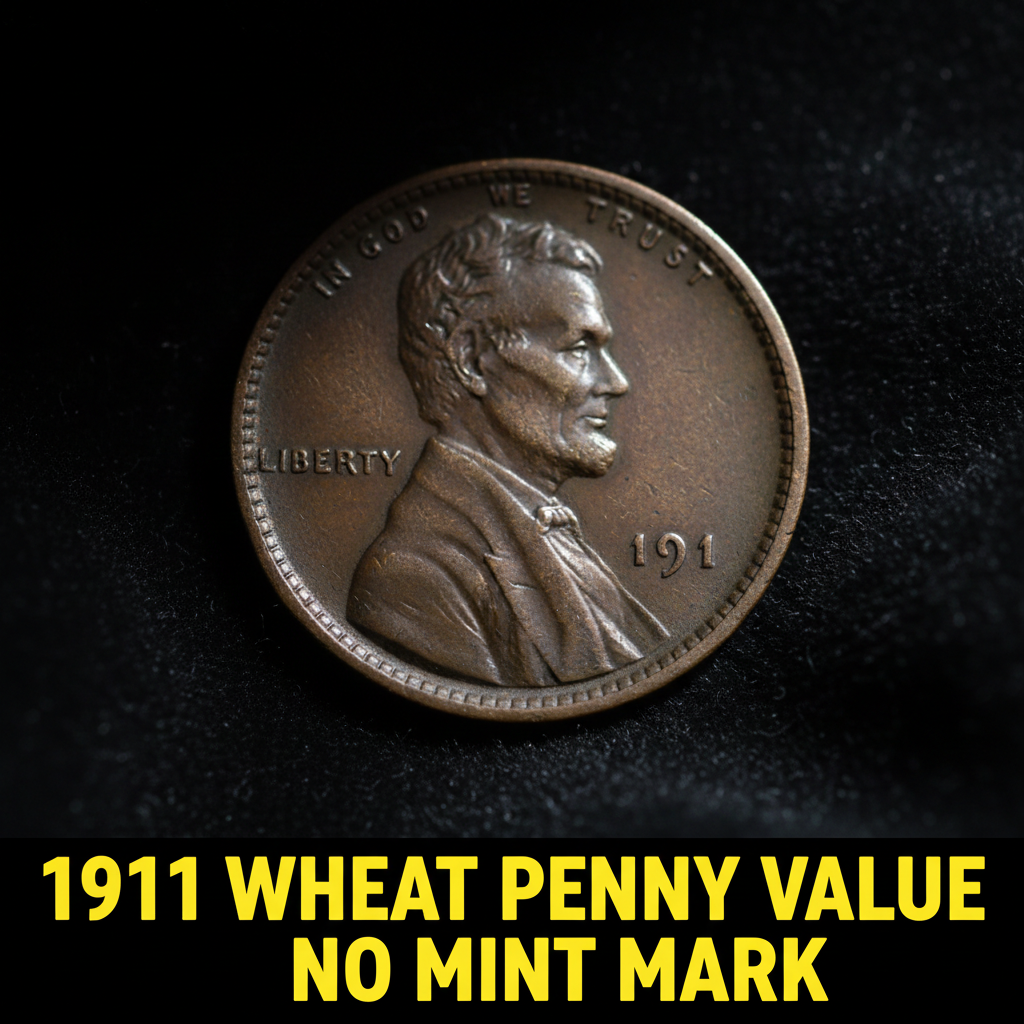
The 1911 Lincoln Wheat Penny without a mint mark was struck at the Philadelphia Mint. Philadelphia was the main U.S. Mint facility at the time, and it produced the largest share of Lincoln cents that year. Because no mint mark was used to identify Philadelphia coins, your coin will appear blank below the date — that’s completely normal and actually expected for a Philadelphia-minted piece.
If you’re not sure which mint produced your coin or you want a quick identification, a free coin identifier app can help you scan the coin and confirm details in seconds. Tools like CoinKnow are especially handy for everyday people who aren’t professional numismatists but want a fast, reliable answer about what they’re holding.
The 1911 Wheat Penny is part of the classic Lincoln cent series that debuted in 1909. Designed by Victor David Brenner, these coins feature Lincoln’s portrait on the obverse and two wheat stalks framing the words “ONE CENT” on the reverse. Over 101 million Philadelphia examples were minted in 1911, making it a relatively common date — but condition is everything when it comes to value.
—
1911 Wheat Penny Value Chart by Grade
Coin grades range from Poor (P-1) to Perfect Mint State (MS-70). Here’s a general breakdown of what the 1911 no mint mark penny is worth across common grades:
| Grade | Description | Estimated Value |
|---|---|---|
| G-4 (Good) | Heavy wear, outline visible | $2 – $4 |
| VG-8 (Very Good) | Moderate wear, details clearer | $4 – $7 |
| F-12 (Fine) | Even wear, major features sharp | $7 – $12 |
| EF-40 (Extremely Fine) | Light wear on high points | $18 – $30 |
| MS-63 (Choice Uncirculated) | No wear, some marks | $50 – $90 |
| MS-65 (Gem Uncirculated) | Strong luster, minimal marks | $100 – $200+ |
For the most current auction data and certified sale prices, you can check out the latest 1911 Wheat Penny MS-RD price records to see what collectors are actually paying right now.
—
How Condition Affects the 1911 No Mint Mark Penny Value
This is perhaps the most important factor most people overlook. Two 1911 pennies from the same mint can differ in value by hundreds of dollars simply because of their condition. A coin that spent decades in someone’s pocket, getting scratched and worn, will never command a premium. But a coin that was saved from circulation early and stored carefully can still show its original mint luster — and that’s where real value lives.
Look closely at Lincoln’s cheek, the wheat stalks on the reverse, and the lettering. Heavy flatness or smoothing in these areas signals wear. If all the details are crisp and you can see original reddish-bronze color, your coin may be in uncirculated condition. Red (RD) designation coins — those retaining 95% or more of their original red copper color — tend to fetch the highest prices of all. If you want a broader picture of what the 1911 penny is worth across all mint marks and conditions, it’s worth reviewing a full value guide before deciding whether to sell or hold.
—
Red, Brown, and Red-Brown: Why Color Matters for Wheat Pennies
When grading services like PCGS or NGC evaluate uncirculated copper coins, they also assign a color designation. For the 1911 Wheat Penny, these designations are:
– RD (Red): Most original color retained — highest value
– RB (Red-Brown): Mix of original and oxidized surfaces — moderate premium
– BN (Brown): Fully toned, no original red remaining — lowest premium among uncirculated coins
This color factor only applies to mint state coins. A circulated 1911 penny is simply graded by wear, not color. But if you believe your coin is uncirculated, knowing its color designation can make a significant difference in what you can reasonably expect from a buyer or auction house.
Using CoinKnow to photograph and analyze your coin can give you an early read on whether it looks red, red-brown, or fully brown — which helps set realistic expectations before you spend money on professional grading.
—
Should You Get Your 1911 Wheat Penny Graded?
Professional grading by PCGS or NGC makes sense when your coin is in extremely fine or better condition. Grading fees typically start around $20–$30 per coin, so it only pays off if the coin is worth meaningfully more than that. For a worn G-4 example worth $3, grading would be a loss. But for a coin that appears to be MS-63 or higher, professional certification can easily double or triple the selling price by giving buyers confidence in the grade.
If you’re unsure whether your 1911 no mint mark penny is worth grading, try CoinKnow first. It’s a great way to get a preliminary estimate before committing to any fees, and it’s designed specifically for everyday people — not just serious collectors.
—
FAQ
Q: How do I know if my 1911 penny is from Philadelphia?
A: If there is no mint mark below the date on the obverse, it was made at the Philadelphia Mint. Philadelphia coins from this era carried no mint mark by design.
Q: Is a 1911 penny with no mint mark rare?
A: No, it’s not particularly rare — over 101 million were produced. However, finding one in high-grade uncirculated condition with full red color is genuinely uncommon and worth serious money.
Q: What’s the most a 1911 no mint mark penny has ever sold for?
A: Exceptional gem examples graded MS-66 RD or higher have sold for several hundred to over a thousand dollars at major auctions, though these are outliers. Most examples you’ll find in average circulated condition are worth under $15.