1909 Wheat Penny Value No Mint Mark What It’s Worth and Why Collectors Love It
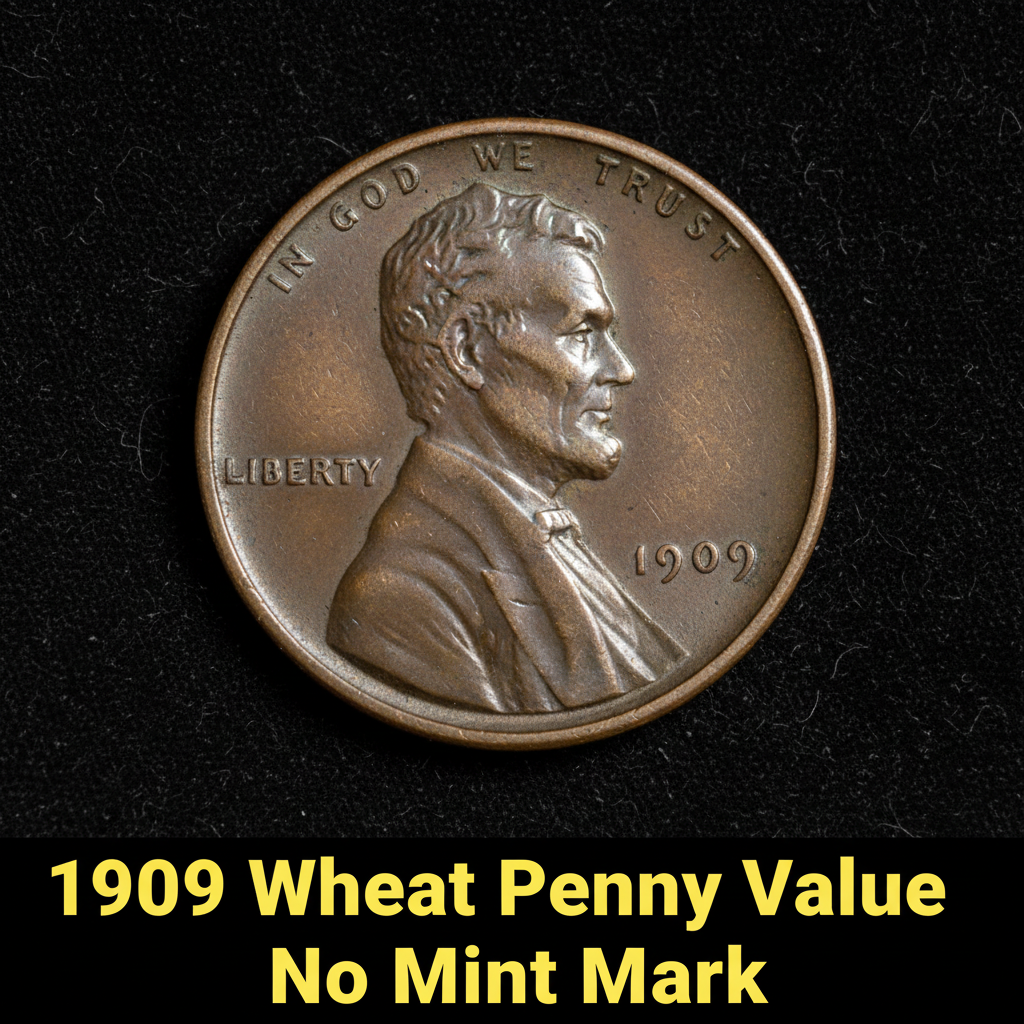
The 1909 Wheat Penny with no mint mark is worth anywhere from $4 in heavily worn condition to over $100 or more in high-grade uncirculated condition. If you found one of these coins in an old jar or inherited it from a relative, you’re holding a piece of real American history — and possibly some real value too.
free coin identifier app tools can help you quickly identify whether your coin has a mint mark or not, which makes a big difference in value. The 1909 Wheat Penny without a mint mark was struck at the Philadelphia Mint, which was standard practice at the time — Philadelphia coins didn’t carry a “P” mark until much later. This coin was the very first year of the Lincoln cent series, replacing the old Indian Head penny design. That debut year alone gives it a boost in collector appeal. If you’ve got one sitting around and want a fast way to check its grade and value, CoinKnow is a great app to download — it uses your phone camera to identify coins and estimate what they’re worth in seconds.
What Makes the 1909 No Mint Mark Wheat Penny Special
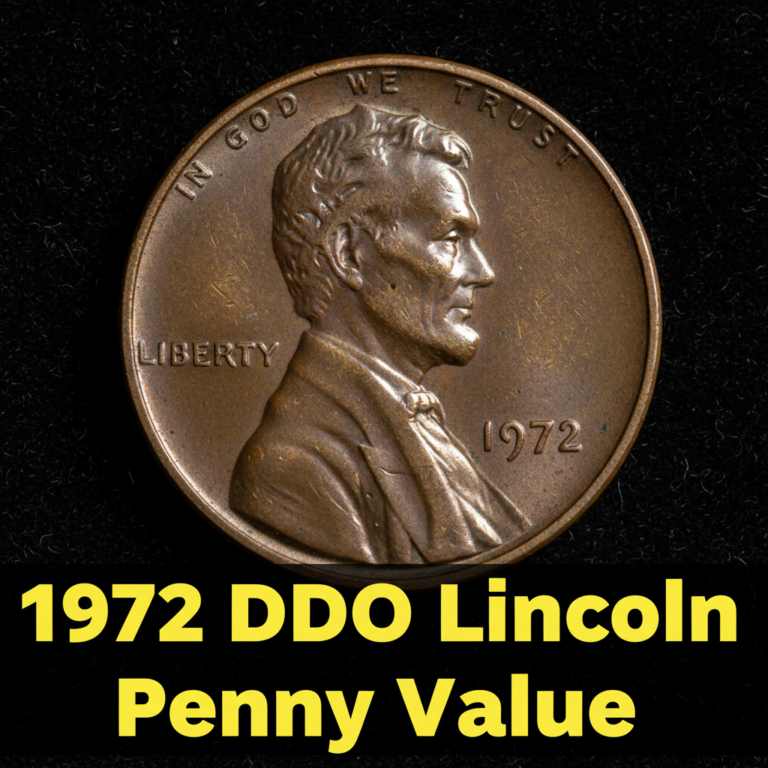
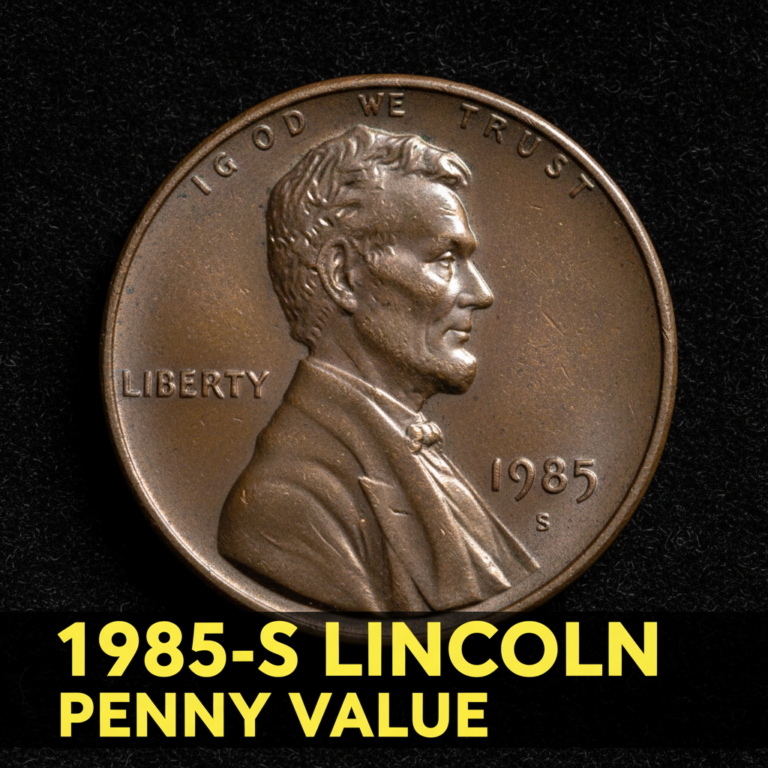
The year 1909 holds a unique place in U.S. coin history. It was the first time Abraham Lincoln’s portrait appeared on an American circulating coin, commissioned to celebrate the 100th anniversary of his birth. The design came from Lithuanian-born sculptor Victor David Brenner, whose initials “VDB” appeared on the reverse of early 1909 cents — though that’s a separate and more valuable variety. The no-mint-mark version without VDB initials is more common but still beloved by collectors. Millions were minted at Philadelphia, giving everyday collectors a chance to own a genuine first-year Lincoln cent without breaking the bank. The coin features Lincoln’s right-facing portrait on the obverse and two wheat stalks framing “ONE CENT” on the reverse — a design that ran until 1958. For anyone starting a collection, this coin is a natural must-have.
1909 Wheat Penny No Mint Mark Value by Grade
Condition is everything when it comes to coin values. A well-worn 1909 no-mint-mark wheat penny might only fetch a few dollars, while a crisp uncirculated example can climb well above $50 or even $100. Here’s a general breakdown:
| Grade | Description | Estimated Value |
|---|---|---|
| Good (G-4) | Heavy wear, design visible | $4 – $6 |
| Fine (F-12) | Moderate wear, details clear | $8 – $15 |
| Extremely Fine (EF-40) | Light wear on high points | $20 – $35 |
| Mint State (MS-63) | Uncirculated, minor marks | $50 – $80 |
| Mint State (MS-65 RD) | Gem uncirculated, full red | $100 – $200+ |
For the most detailed and up-to-date pricing, you can browse 1909 Wheat Penny MS-RD price data across recent auction sales to see exactly what the market is doing right now.
How to Tell If Your Coin Is Worth More
Not all 1909 wheat pennies are created equal. A few things can significantly increase the value of your coin. First, look for the letters “VDB” at the bottom of the reverse — if you see them and there’s no mint mark, you have the 1909 VDB, one of the most sought-after Lincoln cents ever made and worth hundreds even in worn condition. Second, check the coin’s color. Uncirculated wheat pennies are graded as Red (RD), Red-Brown (RB), or Brown (BN) — full red coins command the highest premiums. Third, watch for any doubling on the lettering or date under magnification, which could indicate a doubled die variety worth a premium. Finally, condition matters enormously. Even small differences in grade can mean big swings in price. Use CoinKnow to photograph your coin and get an instant grade estimate — it’s one of the easiest tools available for everyday coin finders who aren’t experts yet.
Comparing the 1909 No Mint Mark to Other 1909 Varieties
The 1909 Lincoln cent came in several varieties, and understanding where your coin fits can help you set realistic expectations. The no-mint-mark version (Philadelphia, no VDB) had a mintage of about 72.7 million — making it the most common of the 1909 cents. By comparison, the 1909-S (San Francisco, no VDB) had only 1.8 million struck and is worth $100+ even in worn grades. The 1909-S VDB is the real king of the series with just 484,000 minted and values starting around $700. If you’re curious how the no-mint-mark coin compares to the broader Indian Head penny era that came just before it, you can also check out the 1909 Indian Head Penny value guide for a side-by-side historical perspective. Knowing the full landscape helps you appreciate just how significant 1909 was for American coinage.
Where to Sell Your 1909 Wheat Penny
Once you know what your coin is worth, you have several solid options for selling. Online platforms like eBay, Heritage Auctions, and Great Collections are popular among collectors and often yield competitive prices for well-graded coins. Local coin shops are a quick and easy option if you prefer cash in hand, though dealers typically offer 60–70% of retail value. Coin shows are another great venue where you can get multiple offers in one afternoon. If your coin is in exceptional condition — say MS-65 or better — professional grading through PCGS or NGC can dramatically increase buyer confidence and resale value. Before you do anything, though, it pays to do your homework. CoinKnow makes it easy to snap a photo, get an estimated grade, and walk into any sale negotiation feeling informed and confident.
—
Frequently Asked Questions
Q: How do I know if my 1909 wheat penny has a mint mark?
A: Flip the coin over to the obverse (Lincoln’s side) and look just below the date. If you see a small “S,” it was minted in San Francisco. No letter at all means it came from Philadelphia. The mint mark — or lack of one — plays a huge role in the coin’s value.
Q: Is a 1909 wheat penny with no mint mark rare?
A: It’s not rare in the traditional sense — about 72.7 million were minted — but it is old, historically significant, and desirable among collectors. High-grade examples, especially those with full red color, are genuinely hard to find and command strong premiums.
Q: Should I clean my 1909 wheat penny before selling it?
A: Absolutely not. Cleaning a coin almost always reduces its value significantly. Collectors and dealers strongly prefer original surfaces, even if they look dark or dull. A cleaned coin can drop an entire grade tier or more in value, costing you real money at the point of sale.