1914-D Wheat Penny Value Guide How Much Is Yours Worth
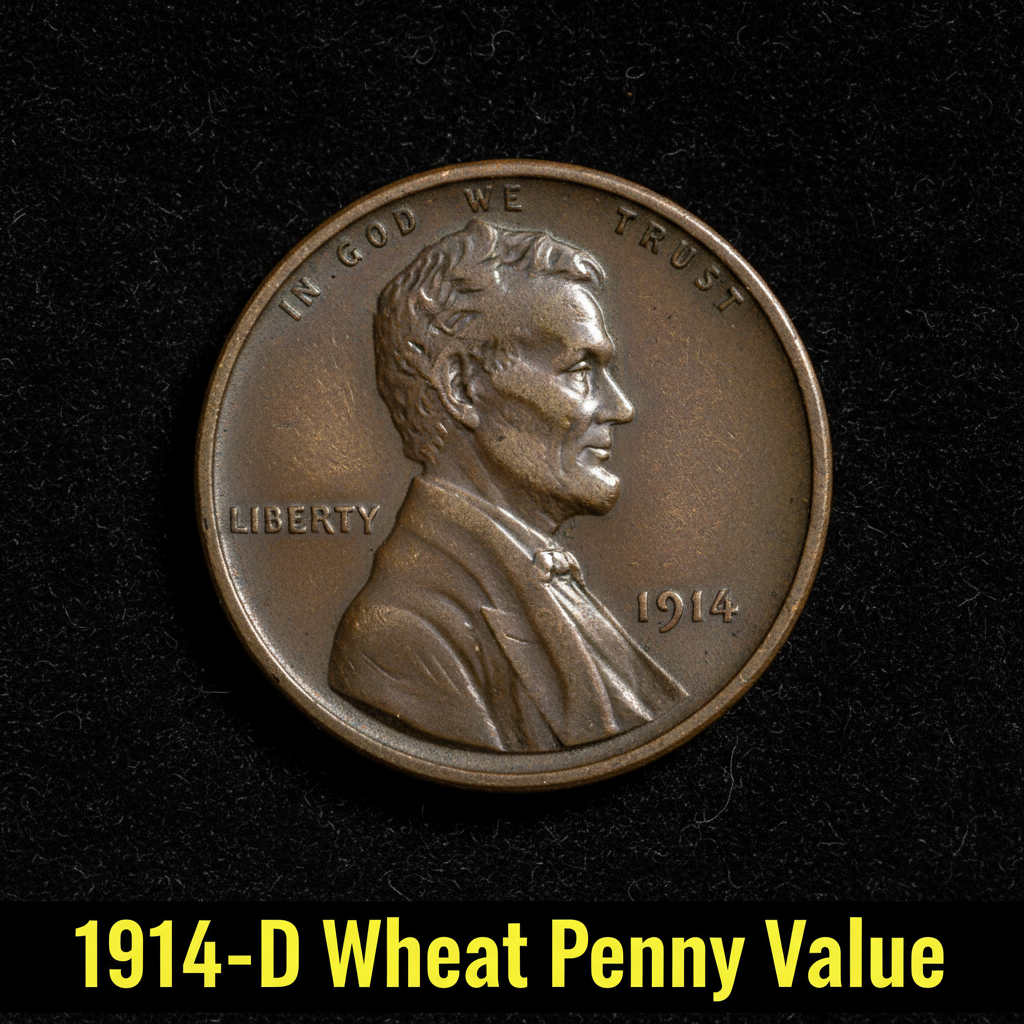
The 1914-D Wheat Penny is worth anywhere from $150 in heavily worn condition to over $3,000 or more in higher mint state grades — making it one of the most valuable Lincoln cents a collector or everyday finder can come across. If you’ve got one in your hands, you’re holding something special.
What Makes the 1914-D Wheat Penny So Valuable
The 1914-D Wheat Penny was struck at the Denver Mint, identified by the small “D” mintmark found just below the date on the obverse side of the coin. What sets this coin apart is its relatively low mintage — only about 1,193,000 were produced that year. Compare that to the Philadelphia Mint’s output of over 75 million cents the same year, and you begin to understand why this coin commands serious attention.
If you’ve recently found an old penny and want to figure out exactly what you have, using a free coin identifier app can be a great first step. These tools can help you identify the mint mark and get a basic idea of value before diving deeper into grading. CoinKnow is one popular option that many coin hunters turn to for quick, reliable identifications right from their phone.
The 1914-D is also frequently counterfeited — specifically, people sometimes alter the date on a 1944-D or file down a 1914-S mintmark, so authentication is critical before assuming you have a high-value coin.
Understanding the Grade and Its Impact on Value
Coin grading is the single biggest factor in determining what your 1914-D Wheat Penny is worth. A coin in “Good” condition (G-4) means it’s heavily worn but the date and mintmark are visible. As you move up the scale through Fine, Very Fine, Extremely Fine, and into Mint State (MS) grades, values rise dramatically.
Here’s a look at estimated values by grade:
| Grade | Description | Estimated Value |
|---|---|---|
| G-4 (Good) | Heavy wear, details visible | $150 – $200 |
| VG-8 (Very Good) | Moderate wear | $200 – $280 |
| F-12 (Fine) | Even wear on high points | $280 – $400 |
| VF-20 (Very Fine) | Light to moderate wear | $450 – $600 |
| EF-40 (Extremely Fine) | Slight wear on high points | $700 – $1,000 |
| MS-63 (Mint State) | Uncirculated, some marks | $2,000 – $3,500 |
| MS-65 (Gem Mint State) | Exceptional quality | $5,000+ |
For a detailed breakdown of 1914-D Wheat Penny prices in Mint State red grades, you’ll find auction results and current market data that can help you determine if your coin is worth submitting for professional grading.
How to Spot a Genuine 1914-D Wheat Penny
Because the 1914-D is worth so much more than similar-looking pennies, fakes and altered coins exist in the market. The most common fraud involves taking a common 1944-D cent and altering the second “4” to look like a “1.” With a loupe or magnifying glass, you can often see tooling marks or inconsistencies in the font if the date has been altered.
Authentic 1914-D cents will have:
– A sharp, naturally struck “D” mintmark below the date
– Die characteristics consistent with Denver Mint production
– Natural wear patterns and aging, not artificially applied patina
The best way to confirm authenticity is through professional grading services like PCGS or NGC. A graded and slabbed 1914-D Lincoln cent is far easier to sell and commands stronger prices at auction. If you’re unsure what you have, CoinKnow can help you get a clearer picture before spending money on formal authentication.
Where to Sell a 1914-D Wheat Penny
Once you’ve confirmed what you have, selling options are plentiful. Heritage Auctions and Stack’s Bowers are top-tier auction houses for valuable coins like the 1914-D. eBay is also a strong marketplace, especially for mid-grade examples. Local coin dealers can offer quick cash, though they’ll typically pay below market value to leave room for their own profit.
If you want to research current pricing trends before making a move, this complete guide to 1914 Lincoln penny values by mint and grade offers a thorough overview worth bookmarking. Knowing the current market means you won’t leave money on the table.
—
Frequently Asked Questions
Q: How do I know if my penny is a 1914-D and not another year?
A: Look at the date carefully — it should read “1914” with a small “D” mintmark positioned just below the date on the front of the coin. If you’re having trouble seeing it, use a magnifying glass or the CoinKnow app to scan the coin for a fast identification.
Q: Is a 1914-D Wheat Penny rare?
A: Yes, it is considered one of the key dates in the Lincoln Wheat Penny series. With fewer than 1.2 million minted, it’s significantly scarcer than most other dates in the series, and surviving examples in nice condition are genuinely hard to find.
Q: Should I clean my 1914-D penny before selling it?
A: Absolutely not. Cleaning a coin — even gently — removes the natural patina and can reduce its value by 50% or more. Collectors and graders can easily spot cleaned coins, and they are typically assigned a “details” grade rather than a clean numerical grade, which dramatically lowers the price you’ll receive.