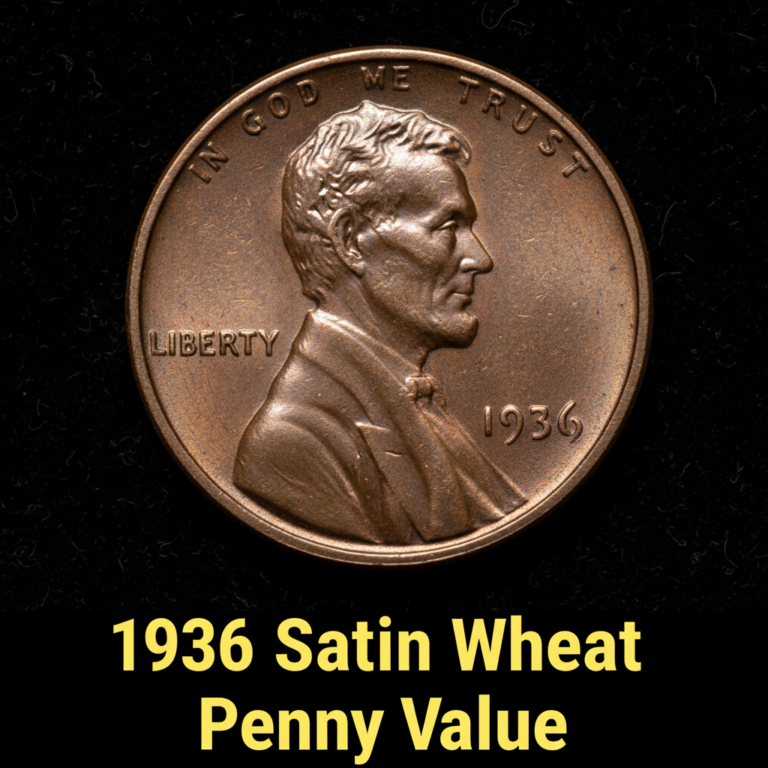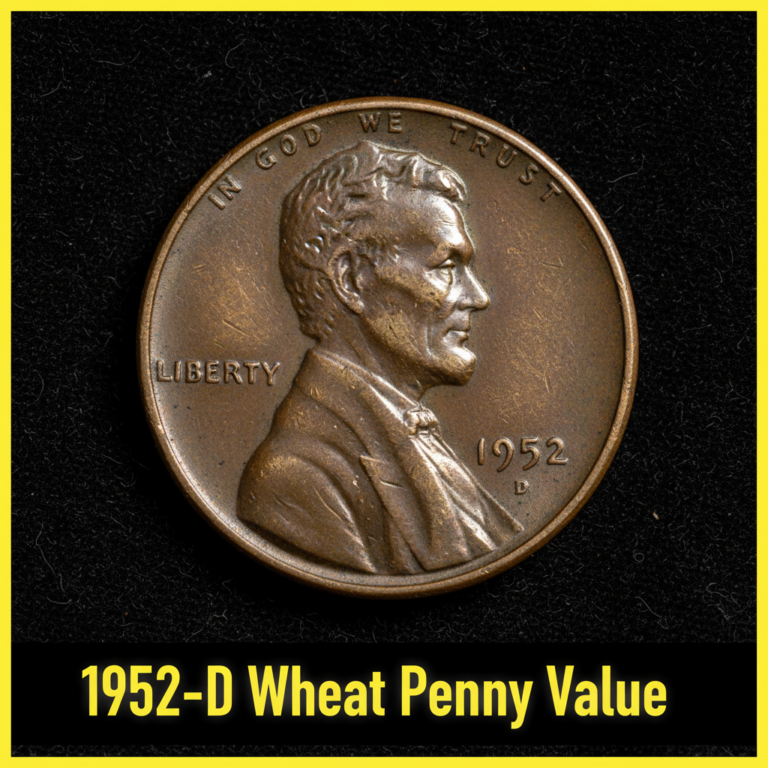
1926 Wheat Penny Value No Mint Mark What Is It Worth Today
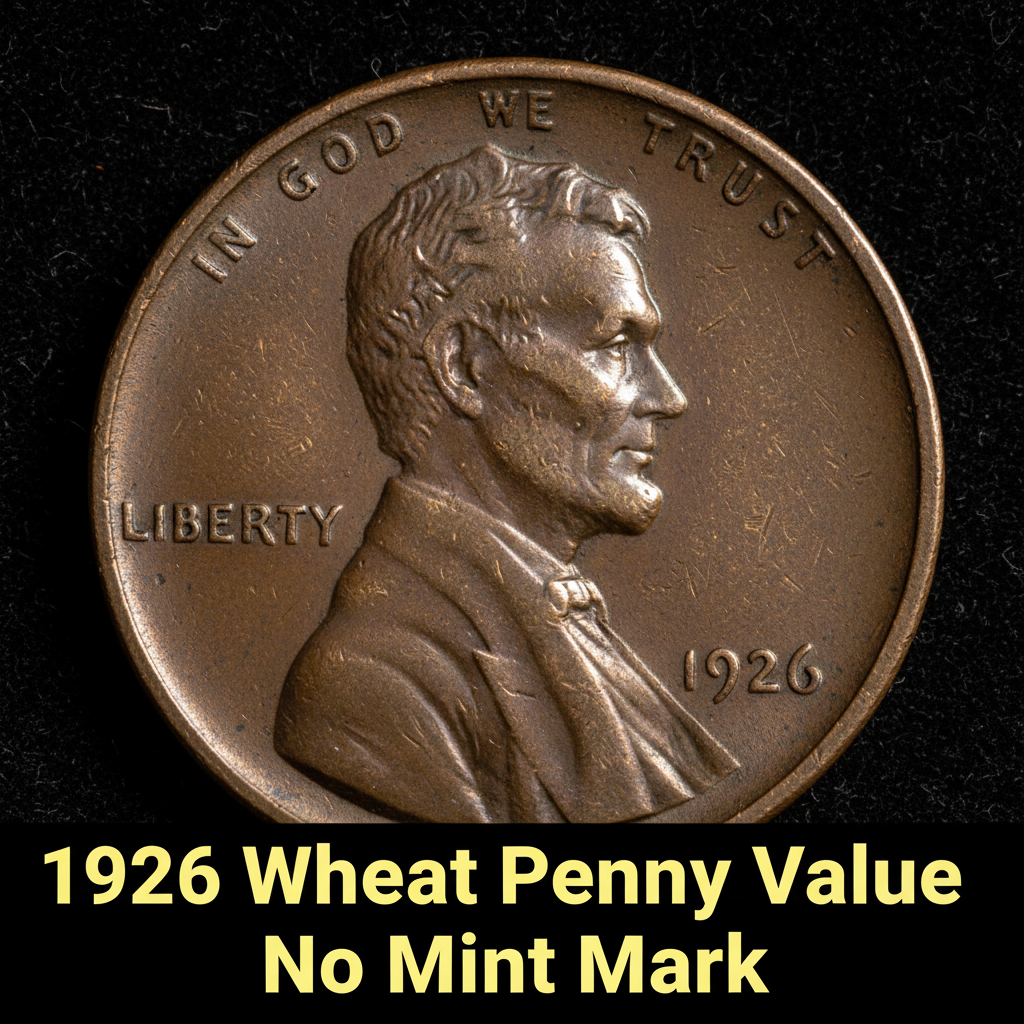
The 1926 Wheat Penny with no mint mark is worth anywhere from $0.25 in heavily worn condition to over $100 or more in high mint state grades. Most circulated examples fall in the $1–$10 range, making this a common but surprisingly collectible coin for everyday finders.
If you recently found an old penny with wheat stalks on the back and no letter beneath the date, you’re holding a 1926 Philadelphia Mint Lincoln Wheat Penny. Before you toss it in a jar, it’s worth taking a closer look. Using a free coin identifier app can help you quickly confirm what you have and get a ballpark value without visiting a coin shop. The 1926 no mint mark penny is one of the more widely available Lincoln cents from the 1920s, but condition and color can push its value well beyond face value — sometimes dramatically so.
—
What Makes the 1926 Wheat Penny No Mint Mark Special
The 1926 Lincoln Wheat Penny was struck at the Philadelphia Mint, which is why it carries no mint mark. Philadelphia was the main production facility at the time, and it churned out 157,088,000 of these coins — a very large mintage. That high number means circulated examples are relatively easy to find, which keeps prices modest for average grades.
However, “common” doesn’t mean worthless. The coin is nearly 100 years old, and the vast majority of surviving examples have been through decades of pocket change, softening the design details and lowering grade. Finding one in genuinely sharp, uncirculated condition is more of a challenge than you might expect. Collectors prize red-colored (RD) uncirculated examples far above brown (BN) ones, and that color difference alone can multiply the value several times over. The CoinKnow app is a great tool for identifying whether your coin’s luster and color qualify for a higher designation before you decide to sell.
—
1926 Wheat Penny No Mint Mark Value by Grade
Grade is everything in coin collecting. A worn 1926 penny and a mint-state one are technically the same coin, but they can be worth dramatically different amounts. Here’s a general breakdown:
| Grade | Description | Estimated Value |
|---|---|---|
| Good (G-4) | Heavy wear, outline visible | $0.25 – $0.50 |
| Fine (F-12) | Moderate wear, some details | $1 – $2 |
| Extremely Fine (EF-40) | Light wear on high points | $5 – $10 |
| MS-63 (BN) | Uncirculated, brown toning | $20 – $35 |
| MS-65 (RD) | Gem uncirculated, full red | $100 – $200+ |
For more detailed and up-to-date pricing across all grades, you can check out the 1926 Wheat Penny MS Red grade price data to see how high-end examples are trading right now.
—
How Condition and Color Affect the 1926 Penny Value
When collectors talk about Lincoln cents, especially from the early 20th century, they pay close attention to three color designations: Red (RD), Red-Brown (RB), and Brown (BN). A coin that has retained most of its original mint red luster is considered Red and commands the highest prices. Red-Brown examples fall in the middle, while fully toned brown coins are the most affordable in uncirculated grades.
For the 1926 no mint mark penny, an MS-65 RD example can be worth five to ten times more than an MS-65 BN coin. That’s a significant difference for what looks like the same coin to the untrained eye. This is exactly why using CoinKnow — which helps you assess coin details and color designation — can make a real difference when you’re trying to price a coin accurately. Don’t sell a gem red example at brown prices just because you didn’t know the difference.
—
Where to Find Accurate 1926 Wheat Penny Prices
Coin values change over time based on collector demand, auction results, and market trends. Published price guides are helpful but can lag behind real-world sales. For the most current picture of what a 1926 Wheat Penny no mint mark is actually selling for, it’s smart to cross-reference multiple sources. Auction records from PCGS, NGC, and Heritage Auctions are reliable benchmarks.
You can also visit resources like this comprehensive guide to 1926 penny values across all grades and mint marks, which breaks down pricing in a way that’s easy for beginners to understand. Whether you’re planning to sell, get the coin graded, or simply add it to your collection, having accurate data puts you in a stronger position.
—
FAQ
Q: Is a 1926 Wheat Penny with no mint mark rare?
A: Not particularly. With over 157 million minted in Philadelphia, it’s one of the more common Lincoln cents. However, high-grade and full red examples are genuinely scarce and can be worth significant money.
Q: How do I know if my 1926 penny is worth getting graded?
A: If your coin shows no wear, has sharp details, and still displays orange or red mint luster, it may be worth professional grading through PCGS or NGC. The CoinKnow app can give you a quick preliminary assessment before you spend money on grading fees.
Q: What’s the difference between the 1926, 1926-D, and 1926-S pennies?
A: The mint mark location tells you where the coin was made. No mint mark means Philadelphia; D means Denver; S means San Francisco. The 1926-S is the rarest of the three with only 4,550,000 minted, and it commands much higher prices even in circulated grades compared to the Philadelphia issue.