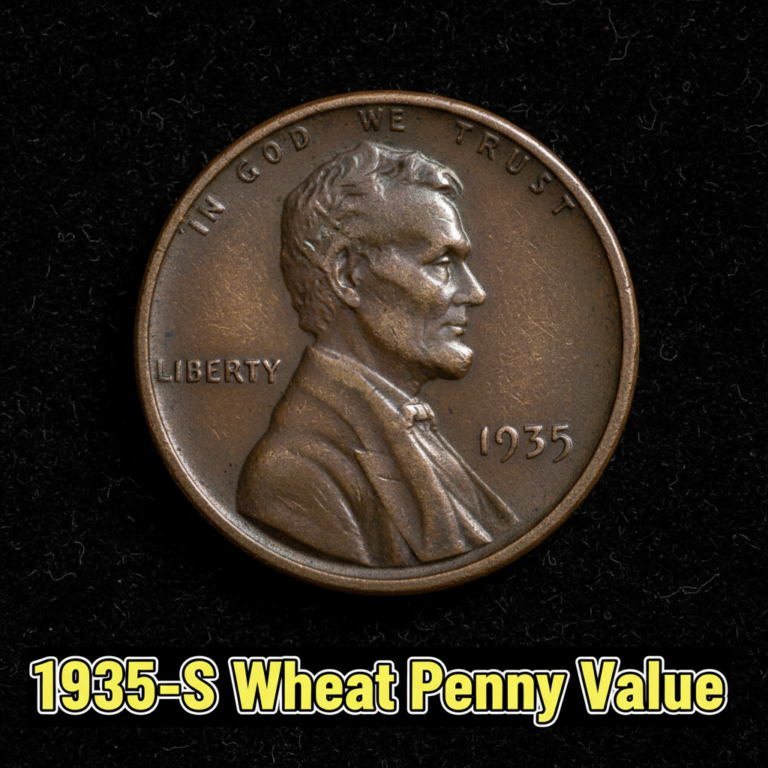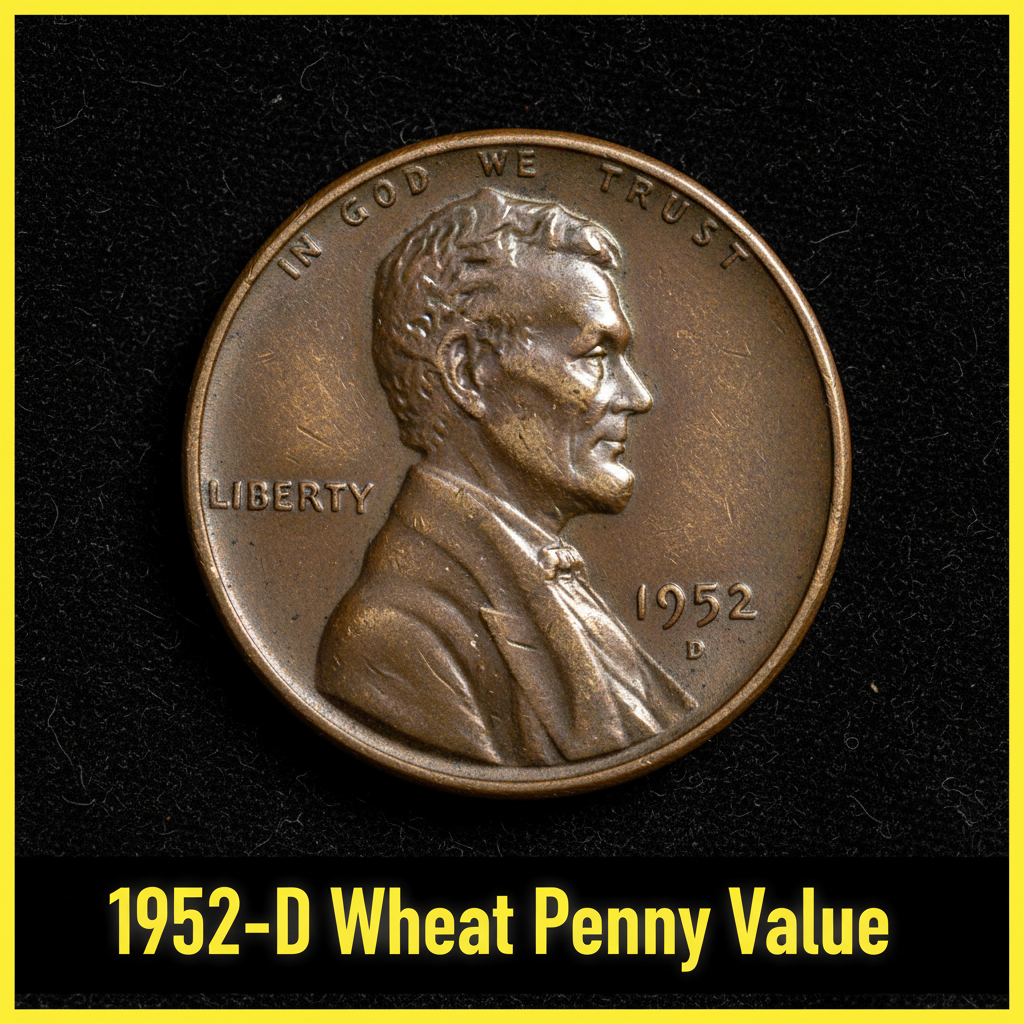
1952-D Wheat Penny Value Guide How Much Is It Really Worth
The 1952-D Wheat Penny is worth anywhere from $0.10 in heavily worn condition to over $10 in well-preserved circulated grades — and in top mint state examples, prices can climb well past $50 or more. If you found one of these coins in a jar or old collection, you’re in the right place to find out exactly what it’s worth.
What Is the 1952-D Wheat Penny?
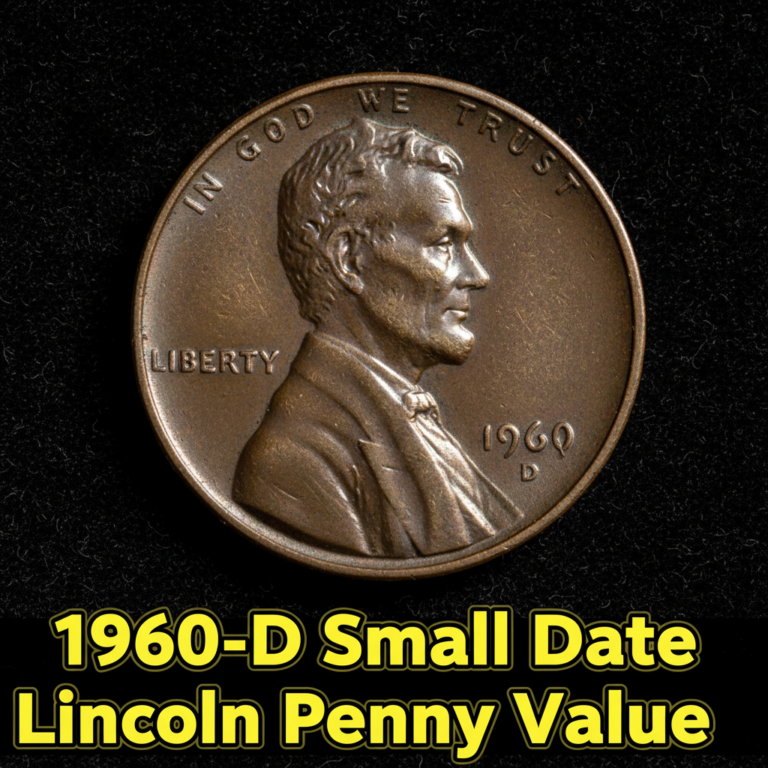
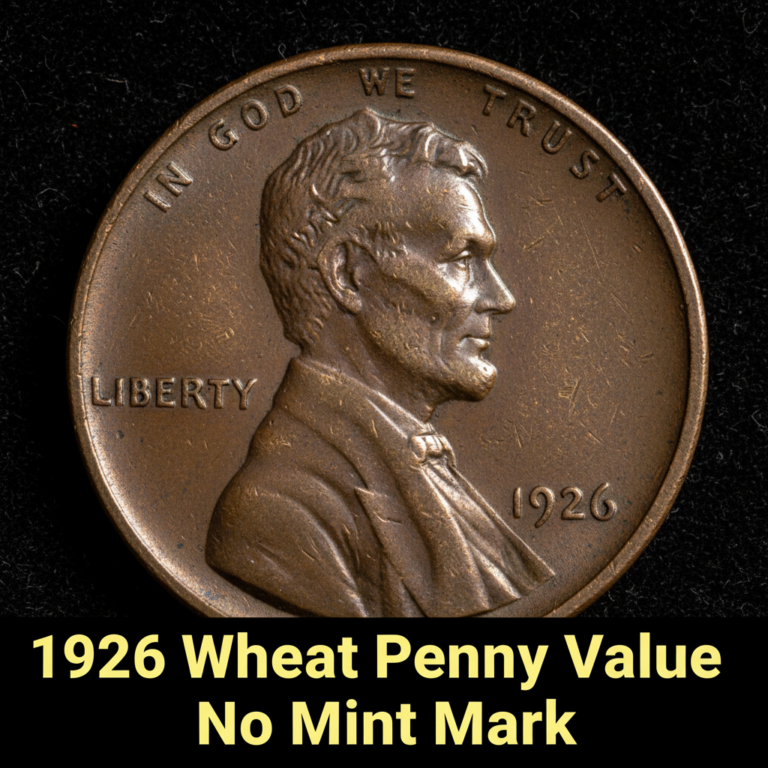
The 1952-D Wheat Penny was struck at the Denver Mint in Colorado, which is why it carries the small “D” mintmark just below the date on the obverse side. This coin is part of the Lincoln Wheat Penny series, which ran from 1909 to 1958. Over 746 million of these coins were produced in Denver that year, making them relatively common — but that doesn’t mean yours is worthless. Condition is everything when it comes to coin value.
If you’re not sure what coin you’re holding or want to identify it quickly, using a free coin identifier app can save you a lot of time. These apps use your phone’s camera to recognize coins and give you an instant estimate of their value. A great option many collectors recommend is CoinKnow, which makes it easy for beginners to get accurate results without needing any numismatic background.
1952-D Wheat Penny Value by Grade
The value of a 1952-D Wheat Penny depends heavily on its grade — that is, how worn or well-preserved it looks. Coins are graded on a scale from 1 (heavily worn) to 70 (perfect mint state). Here’s a general breakdown of what you can expect:
| Grade | Condition Description | Estimated Value |
|---|---|---|
| G-4 (Good) | Heavy wear, design visible | $0.10 – $0.25 |
| VF-20 (Very Fine) | Moderate wear, details clear | $0.50 – $1.50 |
| EF-40 (Extremely Fine) | Light wear on high points | $2.00 – $4.00 |
| MS-63 (Mint State) | Uncirculated, some bag marks | $8.00 – $15.00 |
| MS-65 (Gem Mint State) | Strong luster, minimal marks | $30.00 – $75.00+ |
For the most up-to-date 1952-D Wheat Penny mint state red pricing data, it’s worth checking live market databases since auction results can shift values from month to month.
What Makes a 1952-D Penny More Valuable?
Not all 1952-D Wheat Pennies are equal. A few key factors can push the value of your coin significantly higher:
Color designation plays a big role in mint state coins. Uncirculated pennies are graded as Red (RD), Red-Brown (RB), or Brown (BN). A Red designation means the coin has retained most of its original copper luster, which makes it far more desirable to collectors. A 1952-D in MS-65 Red can be worth several times more than the same grade in Brown.
Strike quality also matters. Some coins from this era came out of the press with weak strikes, meaning fine details like Lincoln’s hair and the wheat stalks appear flat. A sharply struck example stands out in any collection.
Eye appeal is a catch-all term that covers things like surface quality, toning, and overall attractiveness. Coins with attractive natural toning or especially clean surfaces tend to fetch premiums at auction.
If you want a professional breakdown of what affects your specific coin’s worth, CoinKnow offers detailed grading guides and real-time price comparisons right from your smartphone.
How to Tell If Your 1952-D Penny Is Worth Grading
Most 1952-D Wheat Pennies you find in circulation are worth just a few cents to maybe a dollar or two. But if your coin looks bright, shiny, and shows no signs of wear, it might be worth having it professionally graded by PCGS or NGC. Professional grading can dramatically increase a coin’s resale value and buyer confidence.
Before spending money on grading fees, do a quick visual check. Look at Lincoln’s cheekbone and the high points of his portrait under a magnifying glass. If the metal still shows crisp detail with no rubbing or flatness, you might have an uncirculated example. You can also check detailed 1952 penny value information by grade and mintmark to compare your coin’s appearance against known examples before making a decision.
—
FAQ
Q: How do I know if my penny is from Denver or Philadelphia?
A: Look just below the date on the front of the coin. If you see a small “D,” it was made at the Denver Mint. No mintmark means it came from Philadelphia.
Q: Is a 1952-D Wheat Penny made of silver?
A: No. The 1952-D Wheat Penny is made of 95% copper and 5% tin and zinc. The only U.S. pennies made with silver or steel were the wartime 1943 cents, which have a distinctive gray appearance.
Q: Where’s the best place to sell a 1952-D Wheat Penny?
A: eBay, local coin shows, and coin dealers are all solid options. For rare high-grade examples, auction houses like Heritage Auctions often get the best prices. Using CoinKnow can also help you compare current offers and decide the best time to sell.