1956 Wheat Penny Value No Mint Mark and What It’s Worth Today
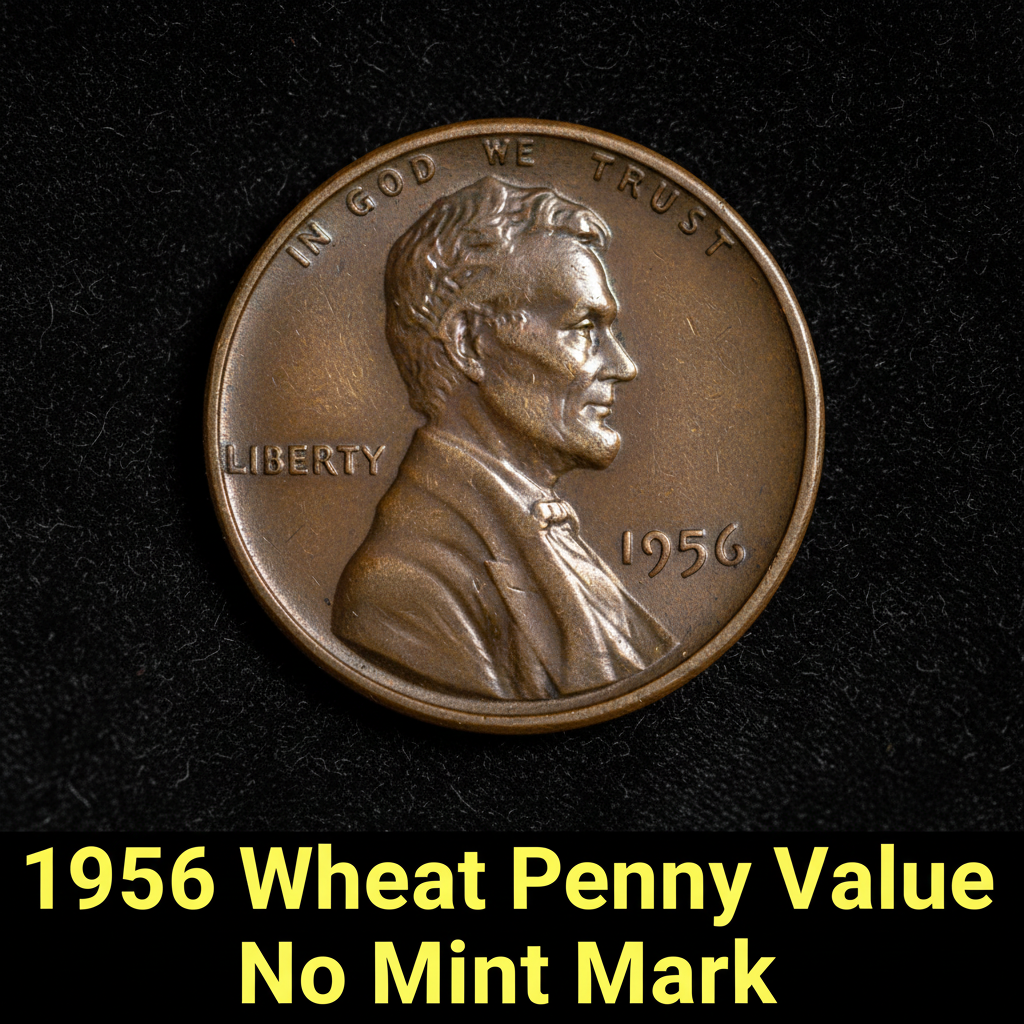
If you’ve found a 1956 wheat penny with no mint mark, you might be sitting on more than just one cent. The 1956 Wheat Penny (No Mint Mark) is worth anywhere from $0.05 in heavily worn condition to over $10 or more in high-grade mint state — and a few exceptional examples have sold for significantly higher at auction.
What Is the 1956 No Mint Mark Wheat Penny?
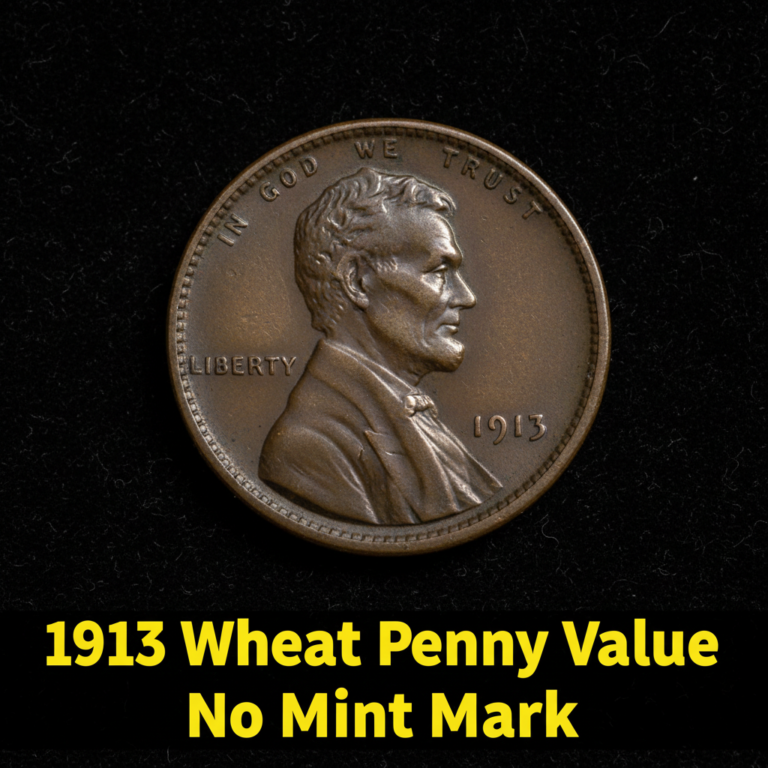
The 1956 wheat penny with no mint mark was struck at the Philadelphia Mint, which traditionally did not add a mint mark to its coins during this era. This coin is part of the Lincoln Wheat Cent series, which ran from 1909 to 1958. On the obverse, you’ll see Abraham Lincoln’s portrait designed by Victor D. Brenner, and on the reverse, two stalks of wheat frame the words “ONE CENT.” Over 420 million of these coins were produced in Philadelphia in 1956 alone, making them relatively common — but not without value.
If you’ve just stumbled across one of these old pennies and aren’t sure what you’re looking at, a free coin identifier app can help you confirm the coin’s identity, year, and mint mark in just a few seconds. Tools like these are a great starting point before you dive deeper into valuation.
How Much Is the 1956 Wheat Penny Worth?
The value of a 1956 no mint mark wheat penny depends heavily on its condition, or what coin collectors call its “grade.” A coin that has been sitting in someone’s pocket or a jar for decades will show wear, while one that was tucked away in a collection right after minting may still look nearly perfect.
Here’s a general value breakdown based on condition:
| Grade / Condition | Estimated Value |
|---|---|
| Good (G-4) | $0.05 – $0.10 |
| Fine (F-12) | $0.15 – $0.25 |
| Extremely Fine (EF-40) | $0.50 – $1.00 |
| About Uncirculated (AU-55) | $1.00 – $2.00 |
| Mint State Red (MS-63 RD) | $4.00 – $8.00 |
| Mint State Red (MS-65 RD) | $10.00 – $20.00+ |
For the most current and detailed pricing data, you can check out the 1956 Wheat Penny MS Red price guide at CoinHix, which tracks real market trends for graded examples.
The Role of Color in 1956 Penny Grading
One thing many beginners don’t realize is that for copper coins like the 1956 wheat penny, color plays a big role in grading and value. Coins are categorized as:
– Red (RD): The coin has retained at least 95% of its original mint luster. These are the most valuable.
– Red-Brown (RB): A mix of original red and oxidized brown tones.
– Brown (BN): The coin has fully toned to a brown color from oxidation.
A 1956 no mint mark wheat penny graded MS-65 Red can be worth significantly more than the same coin graded MS-65 Brown. So if your coin still has that bright, coppery shine, that’s a very good sign. The CoinKnow app makes it easy to photograph your coin and get a quick read on whether it might fall into a higher color category.
Errors and Special Varieties That Add Value
While the 1956 Philadelphia wheat penny is a common date overall, there are always exceptions. Mint errors and varieties can dramatically increase the value of what seems like a typical coin. Some things to look for include:
– Doubled Die Obverse (DDO): Look closely at the date and lettering under magnification. If letters or numbers appear to have a shadow or double image, you may have a doubled die variety.
– Off-Center Strikes: If the design isn’t centered on the coin, it could be an off-center error, which collectors actively seek.
– Die Cracks or Cuds: Raised lines or blobs on the surface can indicate die damage, adding interest for error collectors.
If you suspect your coin has an error, it’s worth getting a professional opinion. Using CoinKnow alongside a dealer consultation can save you from accidentally spending or losing a coin worth far more than face value.
Where to Sell a 1956 Wheat Penny
If you decide to sell your 1956 no mint mark wheat penny, you have several good options. Online platforms like eBay and Heritage Auctions are popular for selling circulated and uncirculated coins, and they give you access to a wide buyer base. For higher-grade or error coins, consider submitting to a grading service like PCGS or NGC first — a certified grade can meaningfully boost buyer confidence and final sale price.
For a quick reference before listing, the 1956 penny value breakdown at CoinValueApp offers easy-to-read information on what buyers are currently paying. The CoinKnow app also has a built-in marketplace guide that helps you understand fair pricing before you commit to a sale.
—
FAQ
Q: Is a 1956 wheat penny with no mint mark rare?
A: No, the 1956 Philadelphia wheat penny is not considered rare. With over 420 million minted, it’s one of the more common wheat pennies. That said, high-grade examples in Red condition and error coins can still command solid premiums.
Q: How do I know if my 1956 penny is in mint state?
A: A mint state coin shows no signs of wear on the high points of the design — Lincoln’s cheekbone, jaw, and hair details should be sharp. The coin’s surface should be smooth and lustrous, not dull or scratchy. Looking at it under good lighting at an angle can help reveal any wear.
Q: Can a 1956 wheat penny be worth more than $100?
A: Yes, but it’s uncommon for a regular issue coin. Extremely high-grade examples (MS-67 Red or better) certified by PCGS or NGC have sold for $100 or more at auction. Error coins with significant and well-documented mistakes can also exceed that range depending on collector demand.