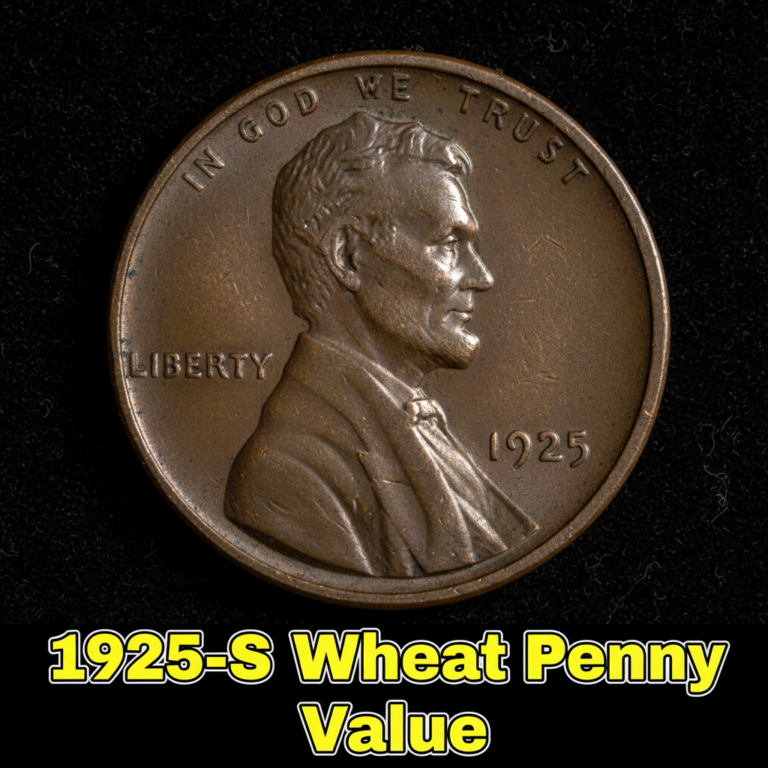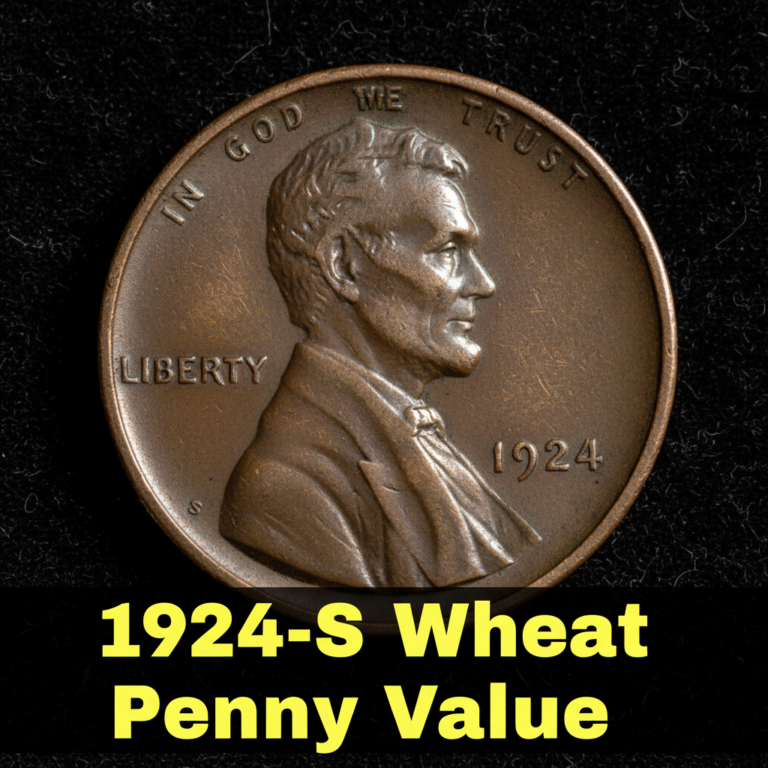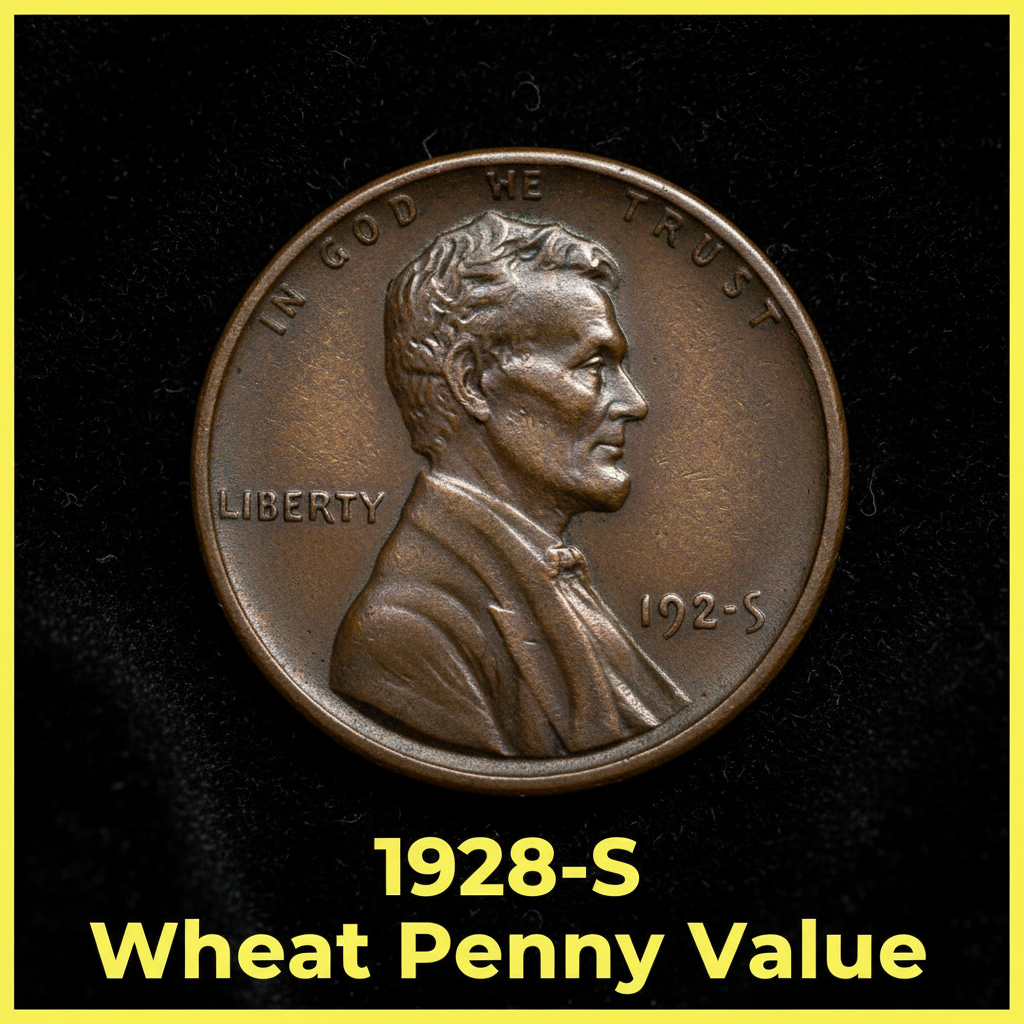
1928-S Wheat Penny Value Guide What Is This Old Coin Worth Today
The 1928-S Wheat Penny is worth anywhere from $0.50 in heavily worn condition to well over $100 in high mint state grades — and truly exceptional examples have sold for several hundred dollars at auction. If you found one of these old Lincoln cents in a coin jar or grandparent’s collection, you’re in the right place to find out exactly what it’s worth.
What Makes the 1928-S Wheat Penny Special
The 1928-S Wheat Penny was struck at the San Francisco Mint, which is indicated by the small “S” mintmark you’ll find on the obverse (front) of the coin, just below the date. During the late 1920s, the U.S. Mint was producing Lincoln Wheat Pennies at three different facilities — Philadelphia, Denver, and San Francisco. Each mint produced a different quantity of coins, and those mintage numbers have a direct impact on today’s collector value.
The San Francisco Mint struck approximately 17.3 million Lincoln cents in 1928. That’s a decent mintage, but not enormous by early 20th-century standards. Combined with the fact that most of these coins were heavily circulated and worn down to near-featureless condition, well-preserved examples are genuinely hard to find today. If you’re not sure which mint produced your coin or want a quick identification, try using a free coin identifier app to get a fast answer right from your phone. Apps like CoinKnow make this process simple and beginner-friendly, even if you’ve never looked at a coin up close before.
How Much Is a 1928-S Wheat Penny Worth by Grade
Coin value is almost entirely driven by condition, which collectors refer to as “grade.” The better the grade, the higher the value. A coin that looks flat and dull has lost most of its detail to wear, while an uncirculated coin still shows the original luster from the day it was minted. Here’s a general breakdown of 1928-S Wheat Penny values across different grades:
| Grade / Condition | Description | Estimated Value |
|---|---|---|
| Good (G-4) | Heavy wear, outline visible | $0.50 – $1.50 |
| Very Good (VG-8) | Main features clear | $1.50 – $3.50 |
| Fine (F-12) | Moderate wear, lettering sharp | $4 – $8 |
| Very Fine (VF-20) | Light wear on high points | $10 – $20 |
| Extremely Fine (EF-40) | Slight wear, sharp detail | $25 – $45 |
| Mint State (MS-63 to MS-65) | Uncirculated, original luster | $75 – $300+ |
For a deeper look at certified auction results and graded price data, you can check out 1928-S Wheat Penny prices in mint red condition across recent sales. This is especially useful if your coin looks uncirculated and you want to know what the market is actually paying.
Red, Brown, and Condition — Why Color Matters on Copper Coins
One thing that surprises a lot of new collectors is that copper coins like the 1928-S Wheat Penny are graded not just by wear, but also by color. Uncirculated Lincoln cents are classified as:
– Red (RD): Original bright copper color, 95% or more of original mint luster
– Red-Brown (RB): Mix of original color and toning, 5–95% red
– Brown (BN): Mostly toned or oxidized
A 1928-S graded MS-65 Red can be worth three to four times more than the same coin graded MS-65 Brown. So if your coin still has that warm orange-red glow, it may be significantly more valuable than you’d expect. This is one of the reasons collectors take storage so seriously — even a coin stored in a regular envelope for decades can lose its red color over time.
Where to Check Real Market Prices for the 1928-S Lincoln Cent
Values in price guides are useful starting points, but the real market is driven by what collectors are actually paying. Auction records, dealer inventories, and certified coin populations all affect what your 1928-S Wheat Penny can realistically sell for on any given day. For a comprehensive breakdown, explore current 1928 penny values including all three mint marks to compare how the “S” mint version stacks up against Philadelphia and Denver issues.
If you want an even faster way to evaluate your coins, CoinKnow is a highly rated app that lets you identify, grade, and get instant value estimates for Lincoln cents and thousands of other U.S. coins. It’s a great tool whether you’re just starting out or you’ve been collecting for years.
Tips for Selling Your 1928-S Wheat Penny
If you decide you’d like to sell your coin, you have several options depending on its condition. Worn examples in Good to Fine grades typically sell best in bulk lots on platforms like eBay, where buyers are looking for affordable fillers for their collections. If your coin is in Very Fine or better condition, consider getting a second opinion from a local coin dealer before pricing it.
For coins that appear uncirculated or otherwise exceptional, professional grading from PCGS or NGC can add significant credibility and often increases the final sale price. CoinKnow can help you decide whether professional grading makes financial sense for your specific coin before you spend the money on submission fees.
FAQ
Q: How do I know if my penny is a 1928-S or just a regular 1928?
A: Look for the mintmark on the obverse (front) of the coin, directly below the date and to the right. A small “S” means it was made in San Francisco. No mintmark means it was made in Philadelphia. A “D” means Denver.
Q: Is a 1928-S Wheat Penny rare?
A: It’s not considered a key date or a rare coin in worn condition — most collectors can find circulated examples fairly easily and inexpensively. However, well-preserved uncirculated examples with original red color are genuinely scarce and command strong premiums in today’s market.
Q: Should I clean my 1928-S Wheat Penny before selling it?
A: No — never clean a coin if you want to preserve its value. Cleaning removes the natural surface patina and can leave hairline scratches that dramatically reduce what a collector or dealer is willing to pay. Even a coin that looks dirty is worth more with its original surface intact.