1936 DDO Type 1 Wheat Penny Value What It’s Really Worth and Why Collectors Care
The 1936 DDO Type 1 Wheat Penny is worth anywhere from $5 in circulated condition to well over $150 or more in higher mint state grades, with some exceptional examples fetching even higher prices among dedicated error coin collectors. If you recently found one of these coins in an old jar or inherited coin collection, you may be sitting on something genuinely special.
What Makes the 1936 DDO Type 1 Wheat Penny Different
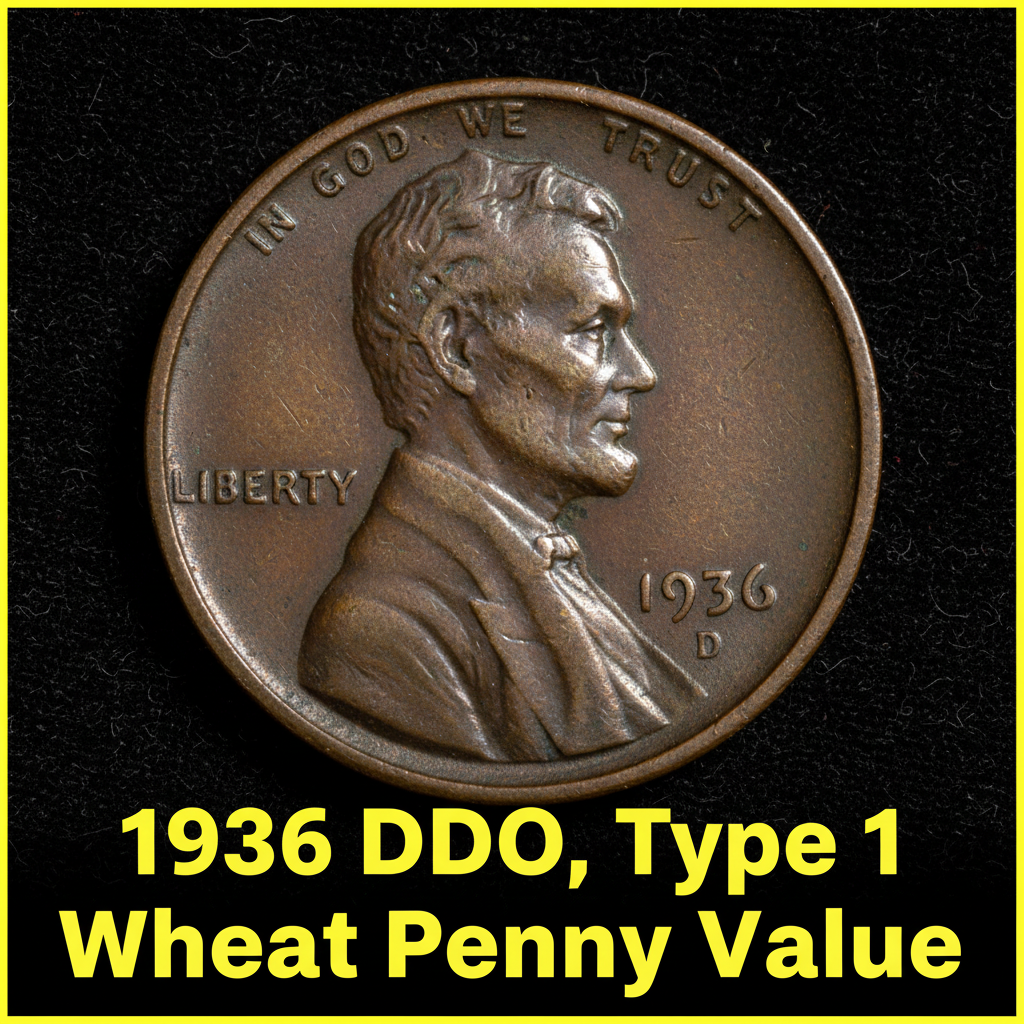
Before diving into values, it helps to understand what “DDO” actually means. DDO stands for Doubled Die Obverse, which is a mint error that occurs during the coin die-making process. When the hub (the master design tool) strikes the die more than once at slightly different angles or positions, the resulting coins show a doubling effect on the front (obverse) design elements. On the 1936 DDO Type 1 Wheat Penny, this doubling is visible on Lincoln’s portrait, the date, and the lettering — particularly on “LIBERTY” and “IN GOD WE TRUST.”
This isn’t just a visual quirk. It’s a recognized variety that serious collectors actively seek out. The “Type 1” designation distinguishes it from other doubled die varieties found on 1936 cents. While the doubling on this particular variety is relatively subtle compared to famous errors like the 1955 DDO, it’s still enough to command a meaningful premium over a regular 1936 wheat penny.
If you’re not sure whether your coin qualifies, a free coin identifier app can help you get a quick first look before you take it to a professional grader. Apps like CoinKnow use image recognition to help everyday collectors identify error varieties right from their phones.
1936 DDO Type 1 Wheat Penny Value by Grade
Like all coins, the value of the 1936 DDO Type 1 Wheat Penny depends heavily on its condition, or “grade.” Coins that were heavily circulated show wear on Lincoln’s cheek, hair details, and the wheat stalks on the back. The cleaner and sharper the details, the more the coin is worth.
Here’s a general value guide based on condition:
| Grade | Description | Estimated Value |
|---|---|---|
| Good (G-4) | Heavy wear, outline visible | $5 – $10 |
| Fine (F-12) | Moderate wear, some detail | $10 – $25 |
| Extremely Fine (EF-40) | Light wear, sharp features | $30 – $60 |
| Mint State (MS-63) | Uncirculated, minor marks | $75 – $120 |
| Mint State Red (MS-65 RD) | Full red luster, gem quality | $150+ |
For up-to-date auction results and graded sale prices, you can check the 1936 Wheat Penny MS-RD price data on CoinHix to see what top-condition examples are actually selling for right now.
How to Spot the Doubling on a 1936 Type 1 DDO
Identifying a 1936 DDO Type 1 Wheat Penny takes a little patience and the right tools. You’ll want a magnifying loupe of at least 5x to 10x magnification. Look closely at the date “1936” — you may notice a slight shadow or shelf behind the numbers. The letters in “LIBERTY” along the left rim of the coin may also show a faint secondary impression.
Be careful not to confuse machine doubling — a common, less valuable form of doubling caused by die bounce during striking — with true doubled die errors. True DDO doubling creates distinct, rounded secondary images, while machine doubling tends to look flat and shelf-like. If you’re unsure, submitting the coin to a professional grading service like PCGS or NGC is the safest way to confirm the variety and potentially lock in its collector value.
CoinKnow is another great starting point. The app’s variety detection feature can flag potential doubled die coins and give you a confidence rating before you spend money on professional grading.
Where the 1936 DDO Fits in Wheat Penny History
The Lincoln Wheat Penny was minted from 1909 through 1958, and the 1936 issue is part of the mid-series run produced at three mints: Philadelphia (no mint mark), Denver (D), and San Francisco (S). The Philadelphia mint produced over 309 million cents in 1936 alone, making the regular 1936 penny quite common. That’s exactly why the DDO variety stands out — it’s a scarce anomaly within a high-mintage year.
The 1936 DDO Type 1 is listed in major variety references and is actively tracked in collector databases. If your coin is authenticated, it becomes part of a much smaller, more desirable subset. You can find a comprehensive breakdown of 1936 Wheat Penny values across all grades and mint marks to better understand how the DDO variety compares to standard examples from the same year.
Should You Get It Graded or Sell It Raw?
This is the question most people ask once they believe they have a DDO variety. The answer depends on the coin’s condition and how confident you are in the identification. For coins in circulated grades, the cost of professional grading (typically $20–$40 per coin) can sometimes exceed the added value it provides. But for Mint State examples or well-preserved pieces where the DDO is clearly visible, getting a PCGS or NGC slab can dramatically increase buyer confidence and sale price.
If you’re not ready to commit to grading, start by using CoinKnow to document the coin and get an estimated value range. Then post it in a reputable coin forum or bring it to a local coin show where dealers can give you a quick in-hand assessment.
Frequently Asked Questions
Q: How do I know if my 1936 penny is a DDO Type 1?
A: Look at the date and the word “LIBERTY” under strong magnification. The 1936 DDO Type 1 shows a distinct doubling — a secondary impression with slightly rounded edges — on those design elements. If you see flat, shelf-like doubling, it’s likely machine doubling, which adds little to no value.
Q: Is the 1936 DDO Type 1 Wheat Penny rare?
A: It’s considered a scarce variety rather than extremely rare. Thousands of 1936 cents exist in all conditions, but confirmed DDO Type 1 examples make up a very small fraction of the total population. Graded examples with clear doubling are especially sought after by variety collectors.
Q: Where is the best place to sell a 1936 DDO Type 1 Wheat Penny?
A: eBay remains one of the most active marketplaces for error coins, particularly for reaching variety collectors who know what they’re looking for. Heritage Auctions and Stack’s Bowers are better options for high-grade or professionally slabbed examples. Local coin dealers and coin shows are also worth considering if you want a fast, in-person transaction.