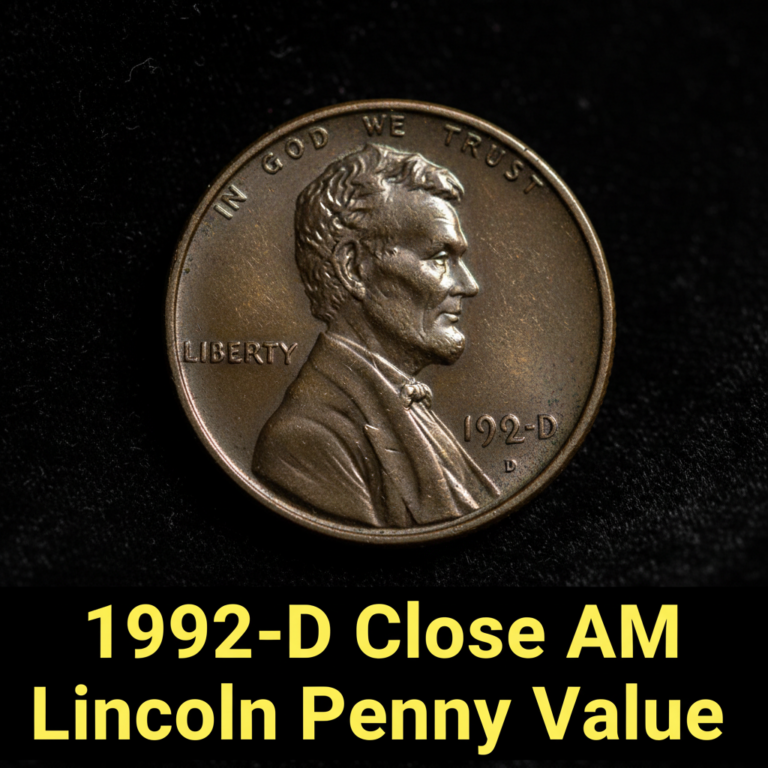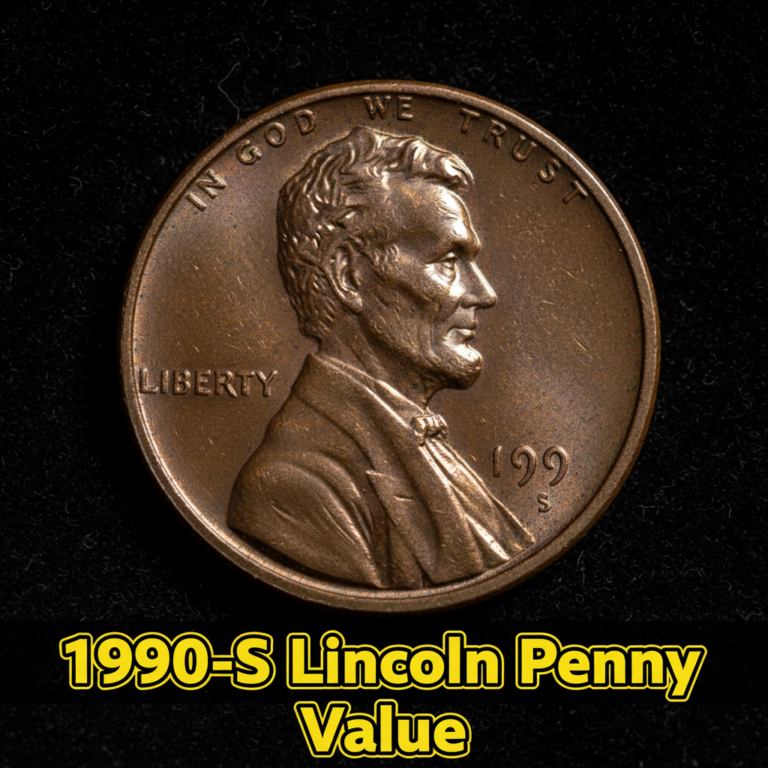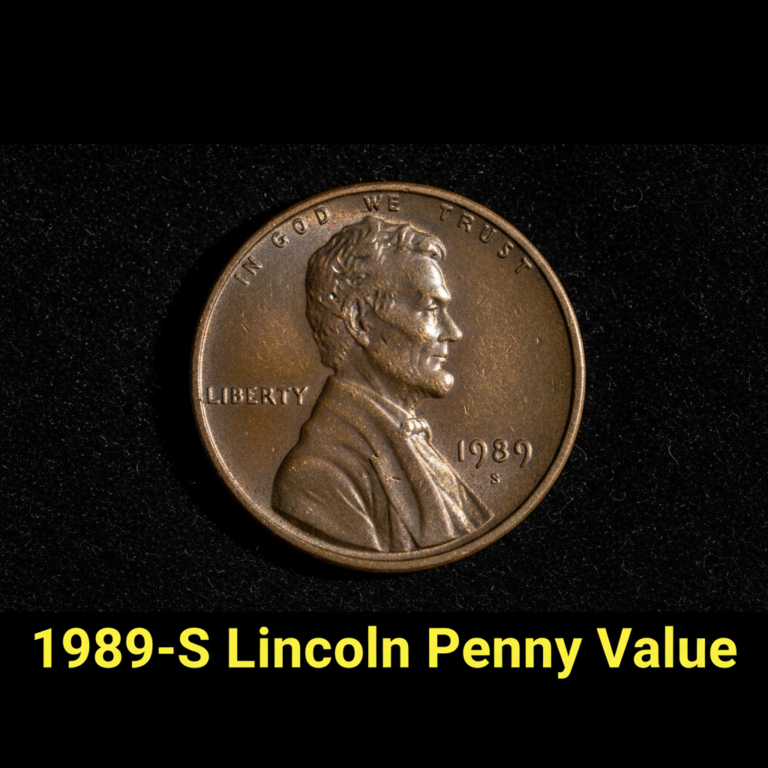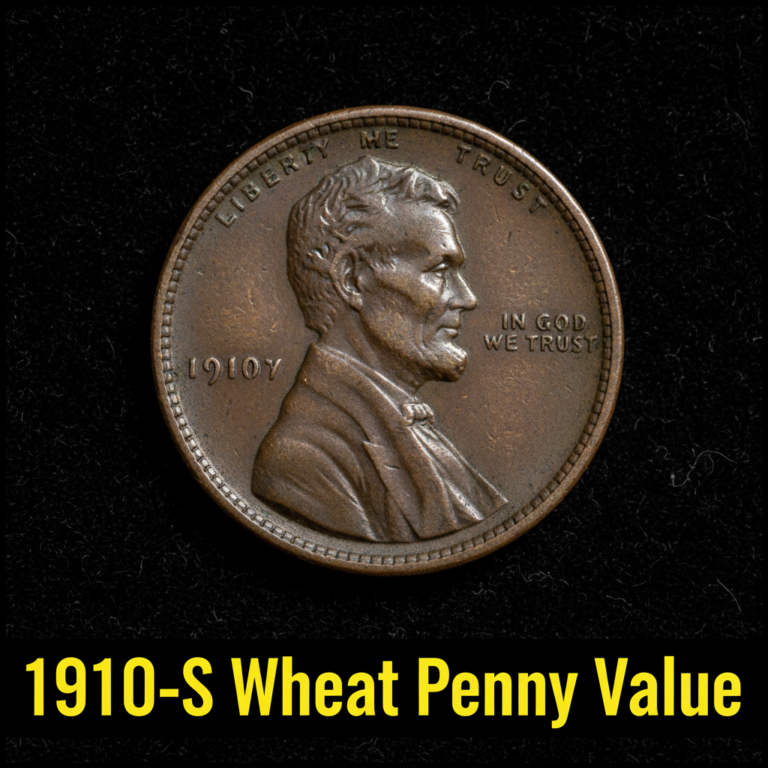
1940 Wheat Penny Value No Mint Mark What Is It Worth Today
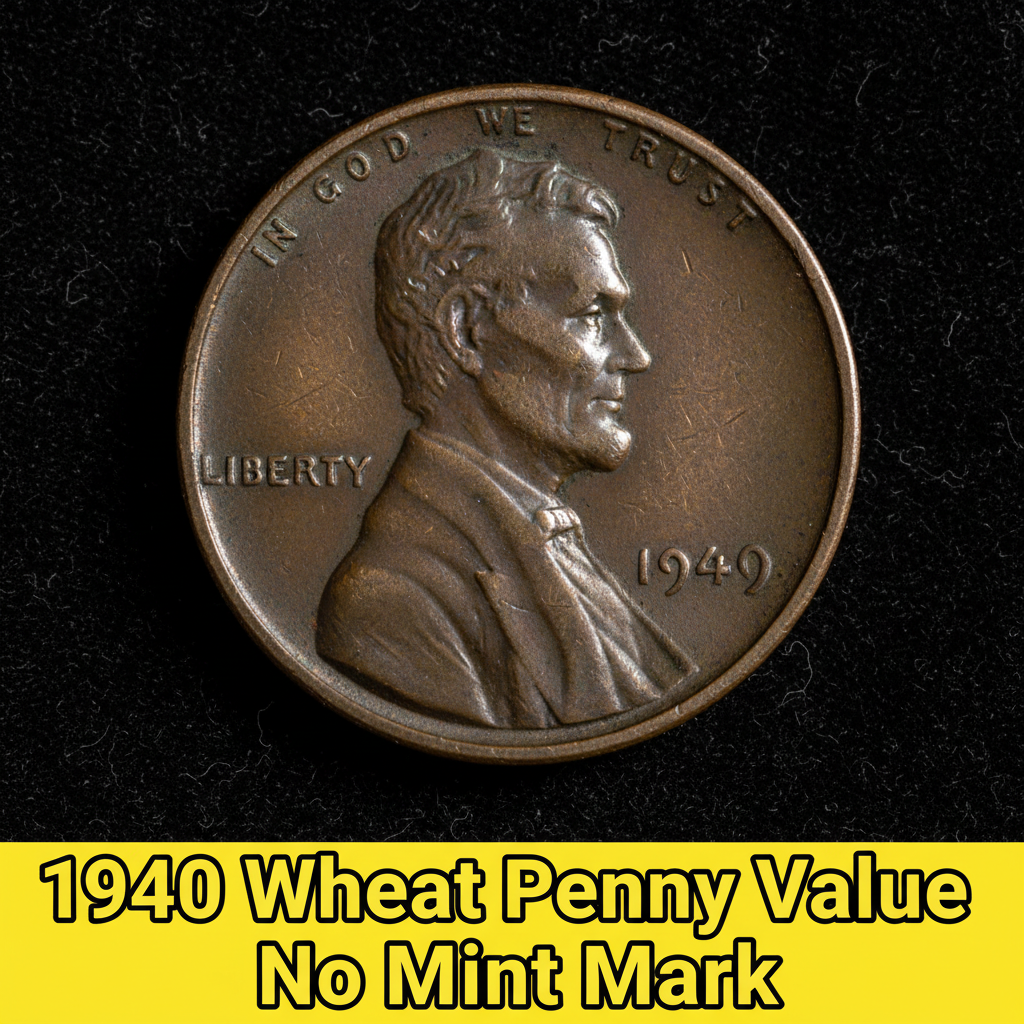
The 1940 Wheat Penny with no mint mark is worth anywhere from $0.10 in heavily worn condition to over $10 in uncirculated grades — and high-grade red examples can fetch $25 or more at auction. If you found one of these in an old jar or coin roll, you’re in the right place to find out what it’s really worth.
—
What Is the 1940 No Mint Mark Wheat Penny?
The 1940 Lincoln Wheat Penny without a mint mark was struck at the Philadelphia Mint, which was the largest coin-producing facility in the United States at the time. Philadelphia didn’t place a mint mark on its coins during this era, so the absence of a letter beneath the date is actually a sign it came from Philly — not that something is missing.
In 1940, the U.S. Mint produced over 586 million of these cents, making them one of the more common dates in the Wheat Penny series. Despite the high mintage, condition plays a huge role in value. A coin that spent decades in someone’s pocket looks very different from one that was tucked away in an envelope since the day it was minted.
If you’re not sure what you’re looking at, a free coin identifier app can help you quickly figure out the date, mint mark, and even an estimated value before you take it to a dealer. It’s a great first step for everyday collectors who are just getting started.
—
How Much Is the 1940 Wheat Penny Worth?
The value of the 1940 no mint mark Wheat Penny depends almost entirely on its condition — what coin collectors call its “grade.” Here’s a straightforward breakdown of what you can expect at different grades:
| Grade / Condition | Description | Estimated Value |
|---|---|---|
| Good (G-4) | Heavy wear, lettering visible | $0.10 – $0.25 |
| Fine (F-12) | Moderate wear, details clear | $0.25 – $0.50 |
| Extremely Fine (EF-40) | Light wear on high points | $1 – $2 |
| Uncirculated (MS-63) | No wear, some bag marks | $5 – $10 |
| Gem Uncirculated (MS-65 RD) | Brilliant red luster, near-perfect | $15 – $30+ |
For a deeper look at certified MS-RD grade values and recent auction results for the 1940 Wheat Penny, it’s worth checking current market data before buying or selling.
—
Color Matters More Than You Think
One thing many beginners don’t realize is that Lincoln cents — including the 1940 no mint mark Wheat Penny — are graded not only by wear but also by color designation. There are three color categories:
– RD (Red): The coin retains at least 95% of its original copper-red color. These are the most desirable and valuable.
– RB (Red-Brown): Between 5% and 95% of the original color remains. These are mid-range.
– BN (Brown): The coin has fully toned to a brownish color. These are the most common and the least valuable.
A 1940 Wheat Penny graded MS-65 BN might bring $5, while the same coin in MS-65 RD could sell for $25 or more. That’s a significant difference for what looks like the same coin to the naked eye. If you’re trying to assess your coin’s color and grade, CoinKnow makes it easy to snap a photo and get an instant evaluation right from your phone.
—
Are There Any Valuable Varieties or Errors?
Even though the 1940 Wheat Penny is a common coin overall, a few varieties and errors can make certain examples worth significantly more than face value.
Doubled Die Obverse: Some 1940 cents show doubling on Lincoln’s portrait or the date. These are caused by a misalignment in the die-making process and are sought after by specialists.
Off-Center Strikes: Coins that were struck off-center can range in value depending on how dramatic the misalignment is. A 10–15% off-center error might bring $15–$30. A dramatic 50% off-center with the date still visible? That could be worth $75 or more.
Die Cracks and Cuds: Late-die-state coins with large raised cracks or “cuds” (chunks of missing die material) are also collectible.
You can explore a full breakdown of 1940 Wheat Penny values by grade and variety to see if your coin matches any of these interesting varieties. And if you want to scan your coin on the go, CoinKnow is a fantastic tool for identifying errors and varieties quickly and accurately.
—
Tips for Selling Your 1940 No Mint Mark Wheat Penny
If you’ve decided to sell, here’s what to keep in mind:
Don’t clean your coin. This is the number one mistake new collectors make. Cleaning a coin — even with water — can damage the surface and drastically reduce its value. Dealers and graders can tell immediately.
Know your buyer. For common circulated examples worth under a dollar, online bulk lots or coin shops are your best bet. For nicer uncirculated coins, platforms like eBay or Heritage Auctions can get you better prices.
Consider professional grading. If your coin looks like it could be MS-65 RD or better, submitting it to PCGS or NGC for grading and encapsulation can significantly increase its resale value and buyer confidence.
Use apps to get a baseline. Before walking into any coin shop, use CoinKnow to get a quick sense of what your coin might be worth. Knowledge is your best negotiating tool.
—
FAQ
Q: Is a 1940 wheat penny with no mint mark rare?
A: No, the 1940 Philadelphia (no mint mark) Wheat Penny is one of the more common dates in the series, with over 586 million minted. That said, high-grade red examples are genuinely scarce and can command strong prices.
Q: What does “no mint mark” mean on a 1940 penny?
A: It means the coin was made at the Philadelphia Mint. During this era, Philadelphia did not use a mint mark on its cents. Coins from Denver had a “D” and San Francisco used an “S.”
Q: Can a 1940 Wheat Penny be worth $100 or more?
A: In most cases, no — but top-tier examples graded MS-67 RD by PCGS or NGC have sold for well over $100 at major auctions. Error coins with dramatic off-center strikes or doubled dies can also cross that threshold under the right circumstances.