1992 Lincoln Penny Value No Mint Mark What It’s Worth and Why Collectors Care
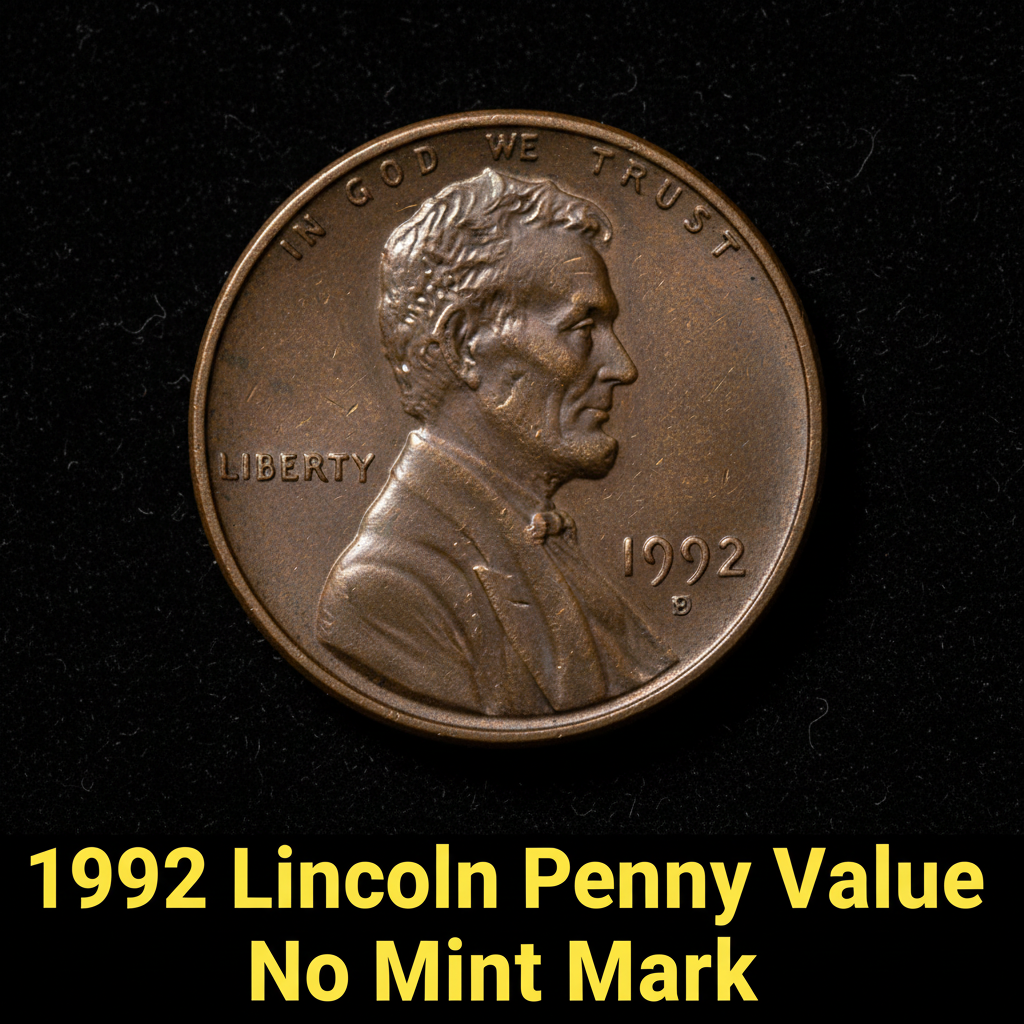
The 1992 Lincoln Penny with no mint mark is worth anywhere from face value in heavily circulated condition to over $15 or more in pristine mint state — and a rare error variety can fetch thousands of dollars. If you just found one in your change jar or old coin collection, you’re in the right place to find out exactly what you’ve got.
What Does “No Mint Mark” Mean on a 1992 Penny?
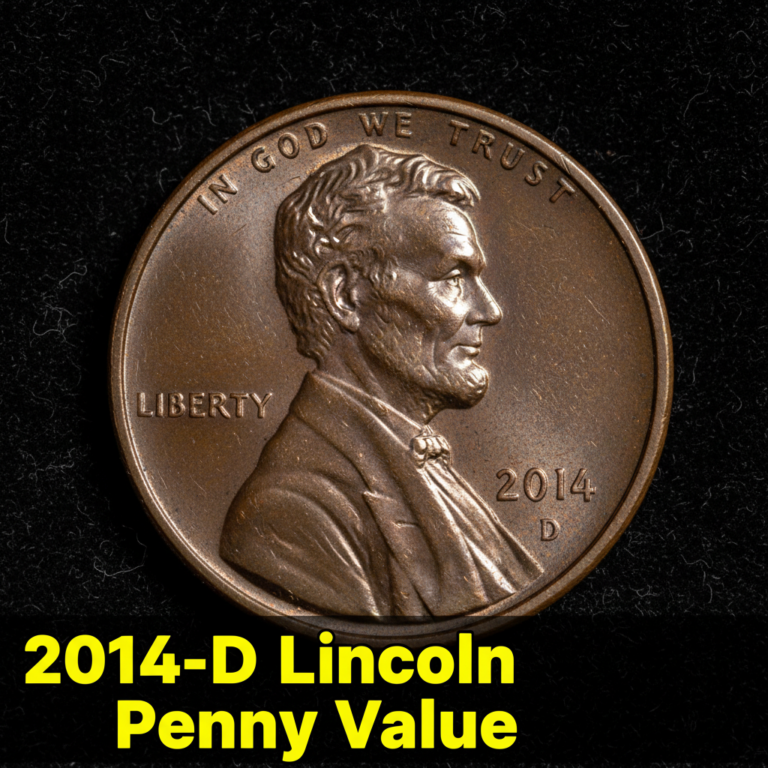
When you flip over your 1992 penny and look just below the date, you might notice there’s no letter stamped there — no “D,” no “S,” nothing. That’s actually a clue about where the coin was made. Pennies with no mint mark were struck at the Philadelphia Mint, which historically did not add a mint mark to its Lincoln cents. So a 1992 Lincoln penny no mint mark simply means it came from Philadelphia, and hundreds of millions of them were produced that year. In fact, the Philadelphia Mint struck over 4.6 billion pennies in 1992, making them extremely common in circulated grades. However, condition is everything in coin collecting, and even a common coin can surprise you when it’s been well preserved. If you’re not sure what you have, using a free coin identifier app is a great first step to get a quick read on your coin’s details and condition. Apps like CoinKnow can help you identify the coin, understand its mint mark status, and give you a ballpark value estimate right from your smartphone — no expertise required.
1992 Lincoln Penny No Mint Mark Value by Grade
The value of a 1992 penny with no mint mark depends almost entirely on its grade — that is, how well it has been preserved over the decades. Coins that went through years of pocket wear will show flat, dull surfaces and softened details, while uncirculated examples pulled straight from mint bags can look nearly brand new. Here’s a breakdown of approximate values based on grade:
| Grade | Description | Estimated Value |
|---|---|---|
| Good (G-4) | Heavy wear, outlines visible | Face value (~$0.01) |
| Fine (F-12) | Moderate wear, details visible | $0.05 – $0.10 |
| Extremely Fine (EF-40) | Light wear on high points | $0.25 – $0.50 |
| Uncirculated (MS-63) | No wear, some bag marks | $1 – $3 |
| Gem Uncirculated (MS-65) | Bright luster, minimal marks | $5 – $15+ |
| MS-67 Red (Top Grade) | Near perfect, full red color | $100 – $200+ |
For a deeper look at certified sale prices and auction records, you can check out the 1992 Lincoln Penny MS Red price data on CoinHix, which tracks professional grading service population reports and market trends.
The 1992 Close AM Penny — A Rare Error Worth Thousands
Here’s where things get really exciting. Among 1992 Lincoln pennies with no mint mark, there exists a rare variety known as the “Close AM” error. On standard 1992 pennies, the letters “A” and “M” in “AMERICA” on the reverse side are spaced apart — this is called the “Wide AM” design. However, some 1992 Philadelphia pennies were accidentally struck with a proof die, where the “A” and “M” sit very close together, almost touching. This tiny difference makes an enormous impact on value. A 1992 Close AM penny in circulated condition can sell for $500 to $1,000, and in high mint state grades, examples have sold for $5,000 to $25,000 at major auctions. To check whether your coin has the Close AM variety, use a magnifying glass and look carefully at the reverse lettering. If you think you might have one, get it authenticated immediately — this is no ordinary penny.
How to Tell If Your 1992 Penny No Mint Mark Is Worth More
Beyond the Close AM variety, there are a few other things that can increase the value of your 1992 penny. Full red color is one of the most important factors — coins graded “Red” by a professional grading service like PCGS or NGC carry a premium over brown or red-brown examples. Original luster, sharp strike, and the absence of contact marks all push the grade higher. Cleaned coins, on the other hand, lose significant value — never clean your coins with soap, chemicals, or abrasive materials. If you want a fast assessment at home, CoinKnow lets you photograph both sides of your coin and compare it against a large database of Lincoln Memorial pennies, including known varieties and error coins. It’s one of the most convenient ways to get a starting point before spending money on professional grading. You can also explore a full breakdown of 1992 penny values across all grades and mint marks to see where your coin fits in the bigger picture.
Is a 1992 Lincoln Penny No Mint Mark Worth Keeping?
For most people, a well-worn 1992 penny from Philadelphia is still just a cent. But if you’re holding one in gem uncirculated condition with original red color, it’s worth setting aside for a collector. And if you spot that Close AM variety — treat it like the treasure it is. Even if your coin turns out to be worth only a dollar or two, the process of learning about it is half the fun. Tools like CoinKnow make it easy for everyday people to explore the hobby without needing years of experience. Whether you’re a seasoned numismatist or just someone who found a handful of old coins in grandma’s drawer, the 1992 Lincoln penny no mint mark has a story worth knowing.
FAQ
Q: How do I know if my 1992 penny has no mint mark?
A: Look at the obverse (heads side) of the coin just below the date. If you see no letter — no “D” and no “S” — then it’s a no mint mark penny, struck at the Philadelphia Mint.
Q: What makes the 1992 Close AM penny so valuable?
A: The Close AM variety was accidentally made using a proof die, which places the letters “A” and “M” in “AMERICA” very close together. This die was not intended for business strike coins, making these pennies extremely rare and highly sought after by collectors.
Q: Should I get my 1992 penny professionally graded?
A: If your coin appears to be in uncirculated condition or you suspect it has the Close AM variety, professional grading by PCGS or NGC is absolutely worth considering. For everyday worn examples, grading costs would outweigh the coin’s value — but using an app like CoinKnow first can help you decide if it’s worth the investment.