1902 Liberty Nickel Value What Its Really Worth and Why Collectors Care
The 1902 Liberty Nickel is worth anywhere from $2 in heavily worn condition to over $150 or more in uncirculated grades, with top-quality specimens occasionally reaching into the hundreds. If you just found one in an old jar or coin collection, you’re in the right place — let’s break down exactly what you’ve got.
If you’re not sure whether your coin is a Liberty Nickel or something else entirely, a free coin identifier app can help you confirm the details before you dig deeper into its value. Once you know what you’re holding, the grading and pricing information below will make a lot more sense. Apps like CoinKnow are especially handy for quick identification right from your phone — just snap a photo and you’ll get instant results.
—
What Is the 1902 Liberty Nickel
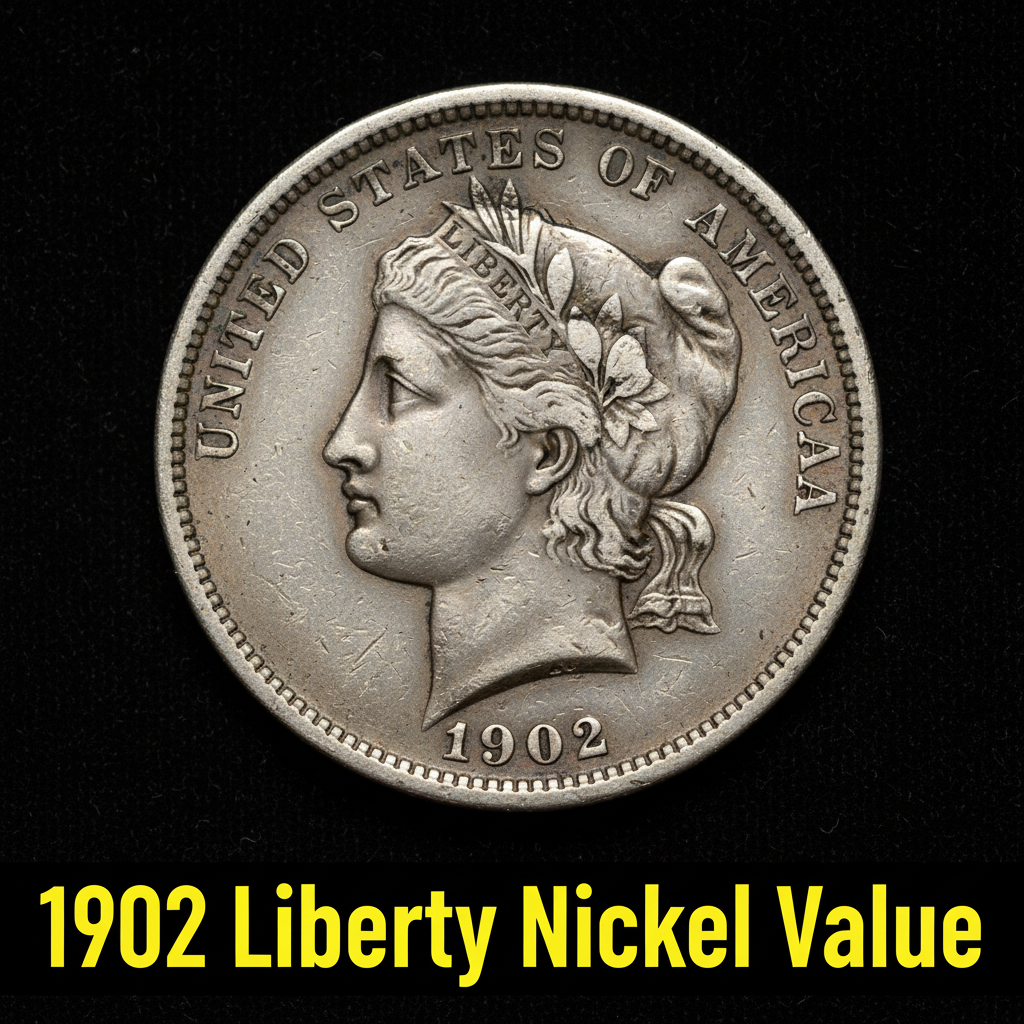
The Liberty Nickel, also called the V Nickel because of the Roman numeral “V” on the reverse, was minted from 1883 to 1912. The 1902 issue was struck at the Philadelphia Mint, which was the only facility producing nickels that year. No mintmark appears on the coin because Philadelphia coins of this era didn’t carry one. The obverse features a left-facing portrait of Liberty wearing a crown inscribed with the word “LIBERTY,” while the reverse displays a large “V” surrounded by a wreath and stars. It’s a classic piece of American coinage history, and many examples have survived in decent condition, which affects today’s values.
—
1902 Liberty Nickel Value by Grade
Coin value is almost entirely dependent on condition. A heavily circulated example with worn details and smooth spots might only bring a couple of dollars, while a coin that never spent a day in anyone’s pocket can be worth dramatically more. Here’s a general breakdown of what the 1902 Liberty Nickel is worth across common grades:
| Grade | Description | Estimated Value |
|---|---|---|
| Good (G-4) | Heavy wear, design visible but flat | $2 – $4 |
| Very Good (VG-8) | Moderate wear, main features clear | $4 – $8 |
| Fine (F-12) | Even wear, lettering sharp | $8 – $15 |
| Extremely Fine (EF-40) | Light wear on high points only | $25 – $50 |
| About Uncirculated (AU-58) | Slight friction, strong luster | $60 – $90 |
| Mint State (MS-63+) | No wear, original luster present | $100 – $200+ |
For the most current and detailed 1902 Liberty Nickel prices across mint state grades, auction data can help you see what buyers are actually paying right now rather than relying on outdated price guides.
—
How to Determine the Grade of Your 1902 Liberty Nickel
Grading a coin at home takes a little practice, but you can get a solid ballpark with just a magnifying glass and good lighting. Look at the hair above Liberty’s ear and the lettering in “LIBERTY” on her crown — these are the first areas to show wear. If you can make out individual hair strands and the letters are crisp, your coin is likely in Fine to Extremely Fine territory. If the portrait looks flat and the rim is slightly merged with the lettering, you’re probably looking at a Good or Very Good example.
For a more precise grade, professional certification services like PCGS or NGC will assess the coin and seal it in a protective holder with an official grade. This is especially worthwhile if your coin looks uncirculated. CoinKnow also offers a quick visual grading guide built right into the app, which is a great starting point before spending money on professional grading.
—
Mintage and Collectibility of the 1902 V Nickel
The Philadelphia Mint produced approximately 31,480,579 Liberty Nickels in 1902, making it a fairly common date within the series. Because of the high mintage, circulated examples are easy to find and not particularly scarce. However, true mint state coins — especially those graded MS-65 or higher — are genuinely rare and attract serious collector attention. The Liberty Nickel series also includes some of the most famous rarities in all of American numismatics, including the legendary 1913 Liberty Nickel, which makes even common-date coins like the 1902 popular with type collectors who want one example of the design.
If you enjoy collecting early 20th-century coins, you might also want to look into silver dollars from the same era. For example, the 1902 Morgan Dollar carries its own fascinating value story and was struck in the same year — making the two a natural pairing for any collection focused on the early 1900s.
—
Tips for Selling or Keeping Your 1902 Liberty Nickel
If your coin is in circulated condition, it’s a nice piece of history but probably not worth submitting for professional grading — the cost of certification would outweigh the return. For coins that appear uncirculated or are in remarkable shape, grading is strongly recommended before selling. Auction platforms like eBay, Heritage Auctions, and local coin shows are all solid options for selling. If you’re not sure where to start, CoinKnow includes a marketplace feature and price comparison tools that make it easier to find a fair deal without doing hours of research on your own.
—
FAQ
Q: Is the 1902 Liberty Nickel made of silver?
A: No. Despite sometimes being called a “nickel-silver” coin by beginners, the 1902 Liberty Nickel is composed of 75% copper and 25% nickel. It contains no silver at all. Don’t let the bright appearance fool you.
Q: What makes a 1902 Liberty Nickel more valuable than others in the series?
A: Condition is the single biggest factor. A 1902 coin in mint state is worth significantly more than a worn example. Eye appeal, luster, and strike quality also play a role. Since 1902 is a common date, there’s no premium just for the year itself.
Q: Can I clean my 1902 Liberty Nickel to make it look better?
A: Please don’t. Cleaning a coin almost always reduces its value in the eyes of collectors and dealers. Even gentle cleaning leaves microscopic scratches that trained eyes can spot immediately. A cleaned coin is typically worth less than a naturally worn one of the same grade. Leave it as is and let its natural patina speak for itself.