1899 Liberty Nickel Value What Is This Old Coin Worth Today
The 1899 Liberty Nickel is worth anywhere from $2 in heavily worn condition to over $100 or more in mint state, with some certified high-grade examples fetching several hundred dollars at auction. If you found one of these coins in a drawer or old jar, you’re in the right place to find out exactly what it’s worth.
What Is the 1899 Liberty Nickel?
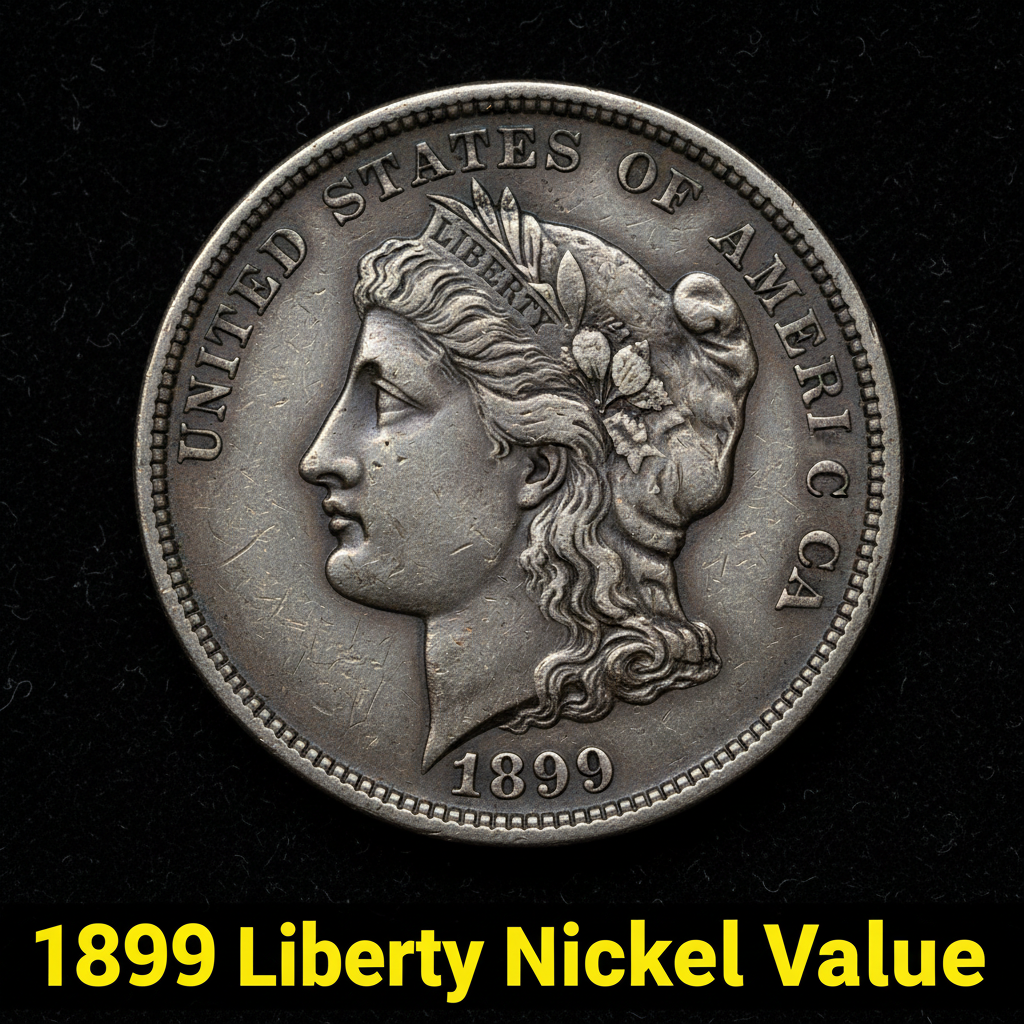
The 1899 Liberty Nickel — also known as the “V Nickel” — was struck at the Philadelphia Mint and carries the iconic design by Charles Barber. The obverse features Lady Liberty facing left, surrounded by 13 stars, while the reverse displays a large Roman numeral “V” for five cents, surrounded by a corn, wheat, and cotton wreath. These coins were made of 75% copper and 25% nickel, which is why they don’t look silver even though they’re old. If you’ve recently come across one and aren’t sure what you’re dealing with, a free coin identifier app can help you confirm the coin type before you even start researching the value. The 1899 issue had a mintage of about 26.3 million pieces, which makes it a fairly common date in the Liberty Nickel series — but condition is everything when it comes to value.
How Much Is the 1899 Liberty Nickel Worth by Grade?
The value of any coin comes down to its condition, or “grade.” Coins in poor or heavily circulated condition are worth the least, while uncirculated examples in pristine condition command significant premiums. For the 1899 Liberty Nickel, the spread between low-grade and high-grade examples is quite dramatic. You can check out detailed mint state price data for the 1899 Liberty Nickel to get a better sense of where your coin might fall on the value scale.
Here’s a general value guide based on grade:
| Grade | Description | Estimated Value |
|---|---|---|
| Good (G-4) | Heavy wear, major details visible | $2 – $4 |
| Very Good (VG-8) | Moderate wear, design clear | $4 – $8 |
| Fine (F-12) | Even wear, all lettering visible | $8 – $15 |
| Extremely Fine (EF-40) | Light wear on high points | $25 – $40 |
| About Uncirculated (AU-50) | Slight wear, most luster remains | $50 – $75 |
| Mint State (MS-63) | Uncirculated, minor blemishes | $100 – $175 |
| Mint State (MS-65) | Gem uncirculated, sharp strike | $300 – $500+ |
What Makes Some 1899 Liberty Nickels More Valuable?
Even though millions of 1899 Liberty Nickels were produced, not all are equal in value. The most important factors beyond grade include strike quality, luster, and eye appeal. Coins with a sharp, full strike and original mint luster are far more desirable to collectors. Surface marks, scratches, or cleaning — even light cleaning — can dramatically reduce a coin’s value and make it hard to grade at all. Coins that have been cleaned are often labeled “improperly cleaned” by professional grading services, and these sell for far less than original, untouched examples. Also worth noting: the 1899 issue has no known major varieties or mint marks, since it was only struck in Philadelphia that year. That keeps things simple for collectors, but also means there are no rare branch-mint versions to look for.
Should You Get Your 1899 Liberty Nickel Graded?
If your coin looks uncirculated or close to it, submitting it to a professional grading service like PCGS or NGC can be worth the cost. A certified MS-64 or MS-65 coin commands significantly more than a raw (ungraded) coin of similar appearance, and buyers are more confident in its authenticity. However, for circulated coins in Good to Fine condition — where values are $2 to $15 — professional grading rarely makes financial sense. Before spending money on grading, you can use CoinKnow to get a quick estimate of whether your coin is likely worth the investment. CoinKnow gives you instant access to pricing data, condition guides, and coin identification tools right from your phone, making it a smart first step for any coin you dig out of an old collection. You might also find it helpful to compare values across similar coins — for example, checking out how other 1899 coins are valued gives you useful context for understanding how condition and series popularity affect prices.
Tips for Handling and Selling Your 1899 Liberty Nickel
One of the biggest mistakes coin finders make is cleaning their coins. Never clean an old coin with soap, metal polish, or any abrasive material — doing so will destroy the coin’s natural surface and drastically reduce its collector value. Store your coin in a soft flip or coin holder to prevent further wear. When it comes to selling, your options include local coin dealers, online platforms like eBay or Heritage Auctions, or coin shows. Always get at least two or three offers before selling, especially for higher-grade examples. And if you want to track value trends over time or compare your coin to recent auction sales, CoinKnow makes it easy to monitor real-time market data so you get a fair price when you’re ready to sell.
—
Frequently Asked Questions
Q: Is a 1899 Liberty Nickel rare?
A: Not particularly. With a mintage of over 26 million, the 1899 Liberty Nickel is one of the more common dates in the series. However, finding one in high uncirculated grades is still quite difficult, and those examples do carry real collector value.
Q: How do I tell if my 1899 Liberty Nickel has been cleaned?
A: Cleaned coins often have an unnatural bright shine, hairline scratches visible under magnification, or a washed-out look to the surfaces. Original coins have a deeper, more muted luster. When in doubt, a professional grader or a tool like CoinKnow can help you assess your coin’s surface condition.
Q: Where is the mint mark on a 1899 Liberty Nickel?
A: The 1899 Liberty Nickel was struck only at the Philadelphia Mint, which did not use a mint mark at the time. So if your coin has no mint mark, that’s completely normal — it doesn’t make the coin less valuable or less authentic.