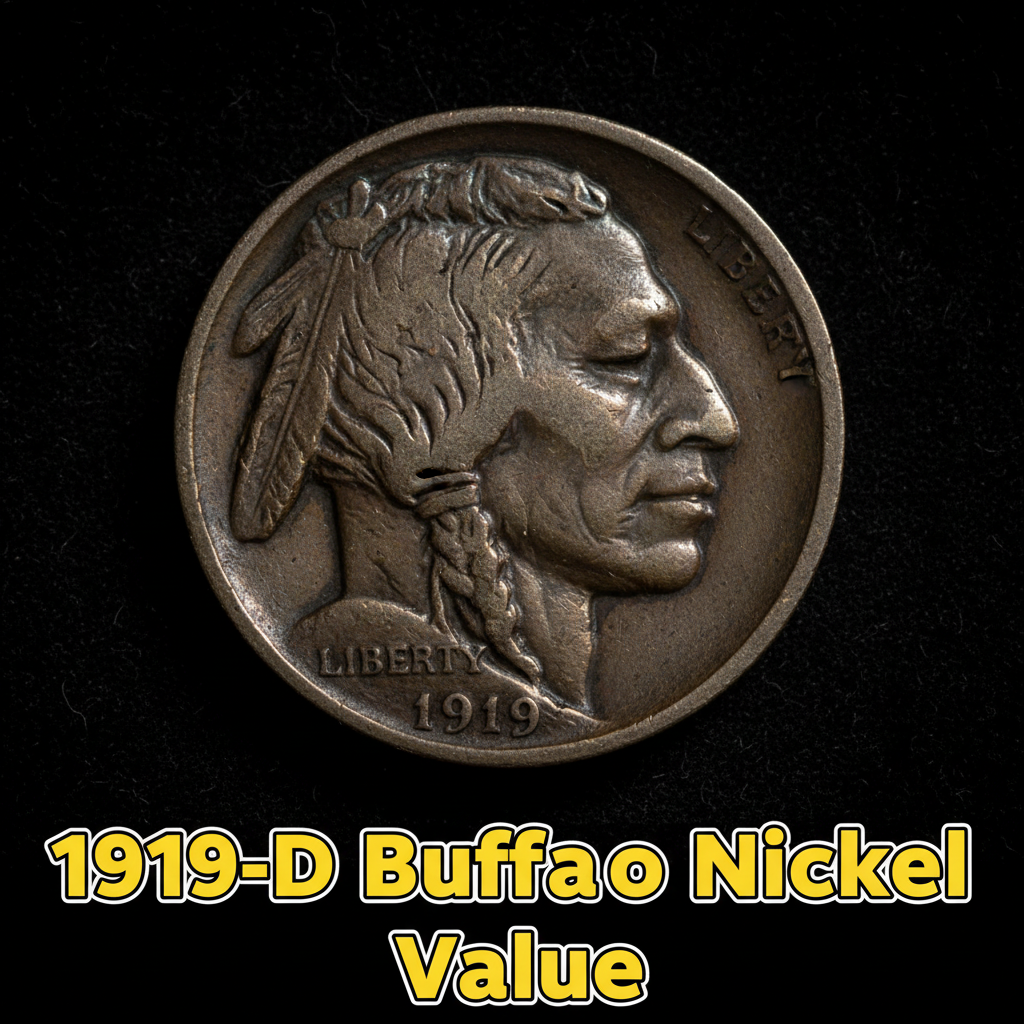
1919-D Buffalo Nickel Value What This Denver Mint Coin Is Really Worth
The 1919-D Buffalo Nickel is worth anywhere from $10 in heavily worn condition to well over $1,500 in higher mint state grades. If you found one of these old nickels in a coin jar or inherited collection, you may be sitting on a surprisingly valuable piece of American history.
What Makes the 1919-D Buffalo Nickel Special
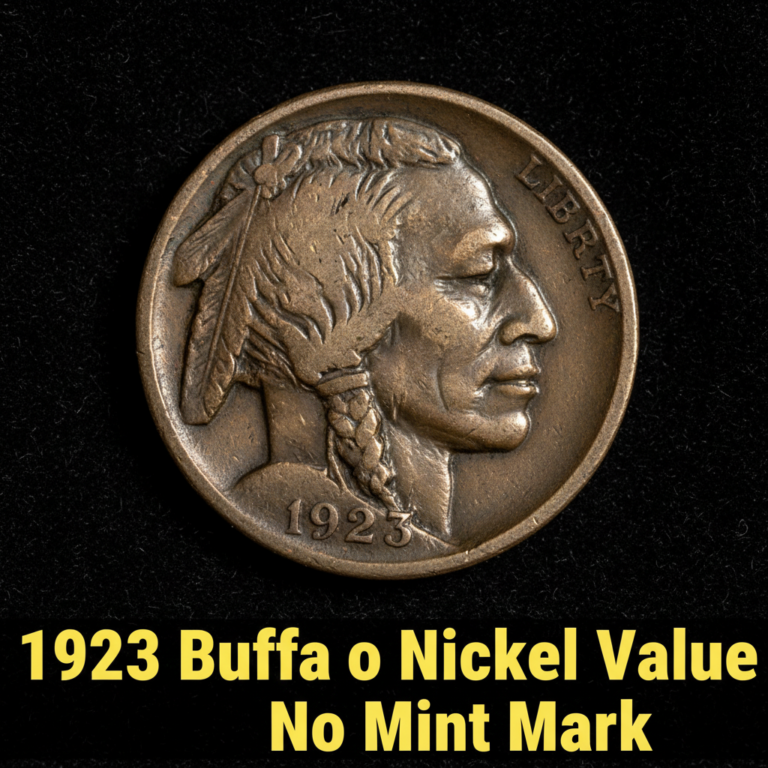
The 1919-D Buffalo Nickel was struck at the Denver Mint, which you can identify by the small “D” mintmark located on the reverse side, just below the words “FIVE CENTS.” This coin is part of the iconic Buffalo Nickel series, officially known as the Indian Head Nickel, designed by James Earle Fraser. The series ran from 1913 to 1938 and remains one of the most beloved American coin designs ever produced.
In 1919, the Denver Mint produced approximately 8.0 million Buffalo Nickels. While that sounds like a lot, surviving examples in decent condition are much harder to find today than you might expect. Decades of circulation took a serious toll on these coins, especially on the high points of the design — the buffalo’s shoulder and the Native American chief’s cheekbone. These spots wear down quickly, which is why so many surviving examples grade only Fine or Very Fine at best.
If you’ve just found an old nickel and want to quickly identify what you have, a free coin identifier app can be a great starting point before you dive deeper into its value.
1919-D Buffalo Nickel Value by Grade
The condition of your coin — known as its “grade” — is the single biggest factor in determining its value. A heavily circulated 1919-D Buffalo Nickel with a flat date and worn details might only fetch $10 to $20. But move up to a well-preserved example and the numbers climb fast.
Here’s a general breakdown of what the 1919-D Buffalo Nickel is worth across different grades:
| Grade | Description | Estimated Value |
|---|---|---|
| Good (G-4) | Heavy wear, date visible | $10 – $15 |
| Fine (F-12) | Moderate wear, main features clear | $25 – $40 |
| Very Fine (VF-20) | Light to moderate wear | $55 – $90 |
| Extremely Fine (EF-40) | Slight wear on high points | $140 – $200 |
| About Uncirculated (AU-50) | Minimal wear, luster present | $250 – $400 |
| Mint State (MS-63) | No wear, some contact marks | $600 – $900 |
| Gem Mint State (MS-65) | Sharp strike, attractive surfaces | $1,500+ |
For the most current auction results and certified coin prices, you can check detailed 1919-D Buffalo Nickel price data across mint state grades to see what these coins are actually selling for right now.
How to Check the Condition of Your 1919-D Buffalo Nickel
You don’t need to be an expert to get a rough sense of your coin’s condition. Start by looking at the date and mintmark. On Buffalo Nickels, the date was set on a raised mound that wore down quickly, so a fully readable “1919 D” is already a positive sign. Next, examine the buffalo’s front right shoulder — this is the first area to show wear. If you can still see distinct hair strands on the Native American’s portrait and a clear separation between the horn and the buffalo’s head, your coin likely grades in the Fine to Very Fine range or better.
Avoid cleaning your coin at all costs. Even a gentle rub with a cloth can leave hairline scratches that destroy collector value. Keep it in a soft coin flip or protective holder and let professionals evaluate it if you think it grades high. CoinKnow is a handy app that many collectors use to get a quick at-home assessment of their coins before deciding whether to pursue professional grading.
Is the 1919-D Worth More Than the Other 1919 Buffalo Nickels
In 1919, three mints produced Buffalo Nickels — Philadelphia (no mintmark), Denver (D), and San Francisco (S). The Philadelphia Mint struck over 60 million coins that year, making it far more common. The San Francisco Mint produced only about 7.5 million, making the 1919-S the scarcest of the three. The Denver issue falls in the middle in terms of mintage but is considered slightly scarcer than Philadelphia in higher grades due to strike quality and survival rates.
In circulated grades, the 1919-D and 1919-S are fairly close in value, with the S-mint pulling slightly ahead in high grades. The Philadelphia issue is typically worth less across most grades simply due to its high mintage. If you want a side-by-side comparison, checking out a complete 1919 Buffalo Nickel value guide covering all three mint varieties is a smart move before you try to sell or trade.
Should You Get Your 1919-D Buffalo Nickel Graded
Professional grading by PCGS or NGC is typically worth the cost only if your coin appears to be in Extremely Fine condition or better. Grading fees generally run $30 to $50 per coin for standard service, so submitting a coin worth $25 in circulated condition doesn’t make financial sense. However, if your 1919-D looks like it has full luster, no wear, and a sharp strike, professional certification could easily double or triple its resale value and give buyers confidence.
CoinKnow makes this decision easier by letting you photograph your coin and compare it against graded examples in its database, helping you gauge whether professional submission is worthwhile. It’s a practical tool for anyone sorting through an inherited collection or flea market find.
Frequently Asked Questions
Q: How do I know if my Buffalo Nickel is the 1919-D and not the 1919 Philadelphia mint?
A: Look at the reverse side of the coin, just below the words “FIVE CENTS.” If you see a small “D” mintmark, it was struck at the Denver Mint. No mintmark means it’s from Philadelphia.
Q: My 1919-D Buffalo Nickel has a worn date — is it still worth anything?
A: Yes, even a coin with a partially worn date has some value to collectors and dealers. A fully flat date will reduce value significantly, but coins in Good grade with readable details typically sell for $10 to $15. CoinKnow and other coin apps can help you determine how much of the design is still present.
Q: Where is the best place to sell a 1919-D Buffalo Nickel?
A: Options include eBay (for reaching a wide audience), local coin shows, or coin dealers. For higher-grade examples, Heritage Auctions or Stack’s Bowers are well-respected auction houses that specialize in numismatic sales and can connect you with serious collectors willing to pay top dollar.