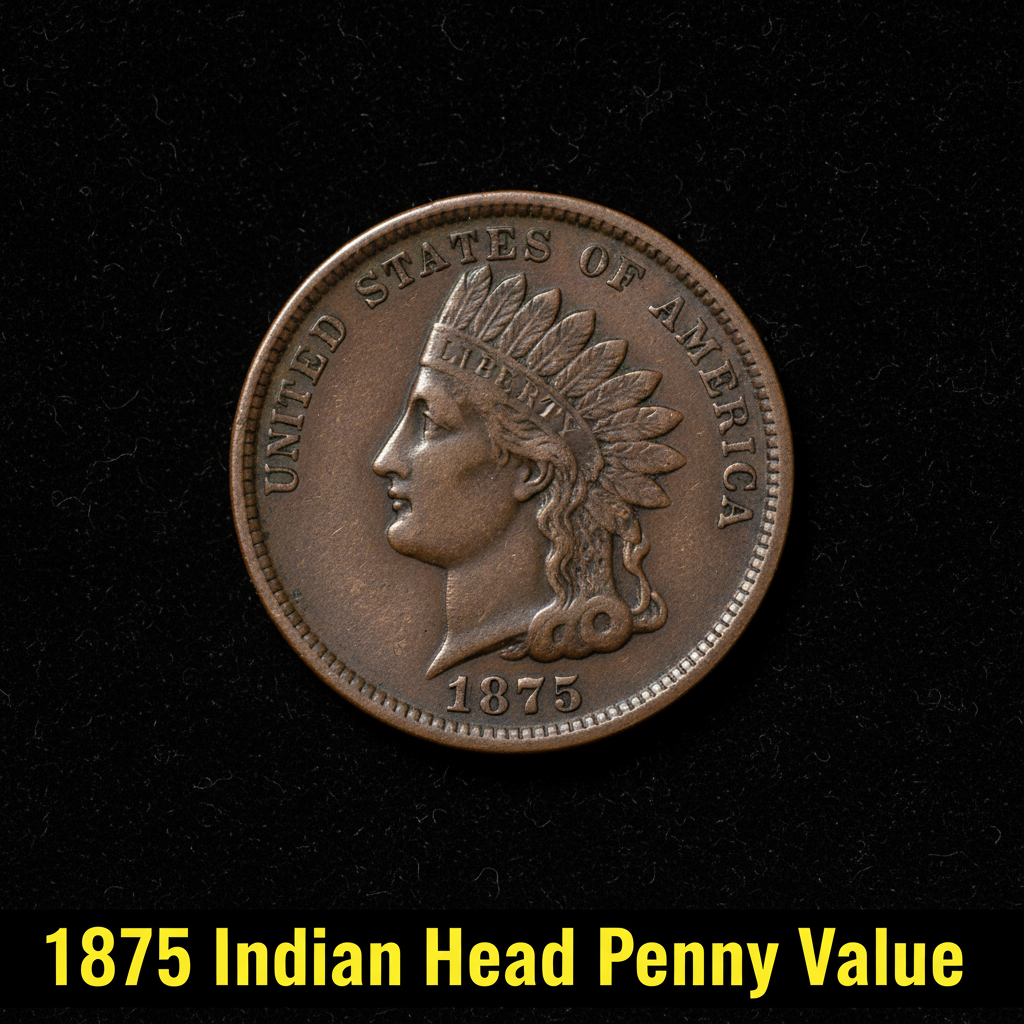
1875 Indian Head Penny Value Guide What Is This Old Cent Worth Today
The 1875 Indian Head Penny is worth anywhere from $8 in heavily worn condition to over $300 or more in high mint state grades. If you recently found one of these old cents in a drawer, jar, or inherited coin collection, you’re in the right place to find out exactly what it’s worth.
—
What Makes the 1875 Indian Head Penny Special
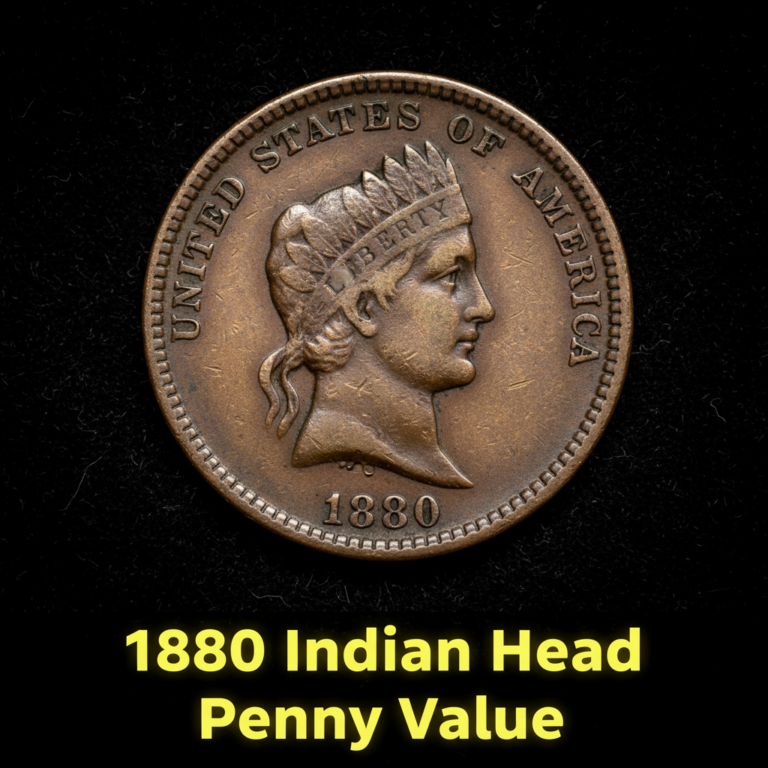
The Indian Head Penny series ran from 1859 to 1909, and the 1875 issue is one of the more interesting dates in the middle of that run. Struck at the Philadelphia Mint, the 1875 cent had a mintage of around 13.5 million coins — not rare by any stretch, but old enough and historically significant enough to carry real collector value today.
If you’re not sure what you have, using a free coin identifier app is a great first step. These tools let you photograph the coin and get an instant identification, which helps you understand whether you’re holding a genuine 1875 Indian Head Penny or a different date that might look similar at first glance.
The obverse of the coin features a portrait of Lady Liberty wearing a Native American headdress — a design by James B. Longacre that became one of the most beloved cent designs in American history. The reverse shows a wreath and the words “ONE CENT.” These coins were struck in 95% copper and 5% tin and zinc, giving them that warm reddish-brown tone that collectors recognize instantly.
—
1875 Indian Head Penny Value by Grade
The condition of your coin is everything when it comes to value. A coin that’s been in circulation for decades will show heavy wear, while a coin that was saved early will retain much more of its original detail — and command a much higher price.
Here’s a general value table for the 1875 Indian Head Penny:
| Grade | Condition Description | Estimated Value |
|---|---|---|
| Good (G-4) | Heavy wear, major details visible | $8 – $12 |
| Fine (F-12) | Moderate wear, clear lettering | $18 – $28 |
| Extremely Fine (EF-40) | Light wear on high points | $55 – $80 |
| About Uncirculated (AU-50) | Slight wear, most luster present | $100 – $140 |
| MS-63 (Mint State) | Uncirculated, minor contact marks | $230 – $300 |
| MS-65 Red (Gem) | Full original red color, sharp strike | $800+ |
For the most up-to-date auction results and certified coin prices, you can browse 1875 Indian Head Penny MS Red price data to see what top-grade examples are actually selling for in today’s market.
—
How to Tell What Grade Your Coin Is
Grading is the most important skill to develop when assessing the 1875 Indian Head Penny value. Start by looking at the highest points of the design. On the obverse, the feathers in the headdress and the hair just above the ear are the first places to show wear. On the reverse, the bow of the wreath and the tips of the leaves will flatten early.
Use a magnifier or loupe if you have one — even a $10 jeweler’s loupe from Amazon works fine. Look for the original mint luster. On circulated coins, this luster is gone and replaced by a smooth, worn surface. On uncirculated coins, you’ll often see a slight cartwheel shimmer when you rotate the coin under a light source.
Color also matters for mint state coins. Indian Head Pennies are graded as Brown (BN), Red-Brown (RB), or Red (RD). A full red coin that has never oxidized is the most desirable and can be worth two to three times more than a brown example in the same numerical grade.
If you want a professional opinion, CoinKnow is a fantastic resource. The CoinKnow app gives you instant coin identification, grade estimates, and current market values — all from your smartphone. It’s one of the easiest ways to get a fast and informed sense of what your 1875 Indian Head Penny is worth before deciding whether to sell or hold.
—
Errors and Varieties That Can Increase the 1875 Indian Head Penny Value
Like many coins of the era, the 1875 Indian Head Penny can occasionally turn up with minor die varieties or striking errors. These don’t always have dramatic visual differences, but dedicated collectors will pay a premium for confirmed varieties.
The most common things to look for include repunched dates, die cracks across the design, and off-center strikes. An off-center strike — where the design appears shifted because the planchet wasn’t centered properly under the die — can add meaningful value depending on how dramatic the shift is. A 10% off-center 1875 Indian Head Penny in decent shape might fetch $50 to $100 over standard values. A 50% off-center example showing the full date could bring $300 or more.
You can also compare your coin against a variety reference like the Snow book for Indian Head Cents if you suspect you have something unusual. And if you want to see how later-date values in the series compare, it’s worth checking out detailed Indian Head Penny value information for other dates in the series — it helps put the 1875 issue in context and understand how collector demand shifts across the series.
—
FAQ
Q: Is the 1875 Indian Head Penny rare?
A: It’s not considered a key date or rare coin in circulated grades, but it is old and collectible. With a mintage of about 13.5 million, there are enough surviving examples that most collectors can find one without too much trouble. High-grade examples with full red color are significantly harder to find and are genuinely scarce.
Q: Where can I sell my 1875 Indian Head Penny?
A: You have several options. eBay is one of the most accessible platforms and gives you a real sense of current market demand. Local coin shops will buy quickly but may offer less than retail. For higher-grade coins, submitting to a major auction house like Heritage or Stack’s Bowers will typically bring the best results. The CoinKnow app can also help you understand your coin’s current market value before you decide where and how to sell.
Q: Should I clean my 1875 Indian Head Penny before selling it?
A: Absolutely not. Cleaning a coin — even with a gentle cloth — removes the original surface and dramatically reduces its value. Collectors and dealers can spot a cleaned coin immediately, and it will be discounted significantly. If your coin has dirt or grime, leave it alone. A naturally toned, unclean coin is always more desirable than one that has been polished or wiped.