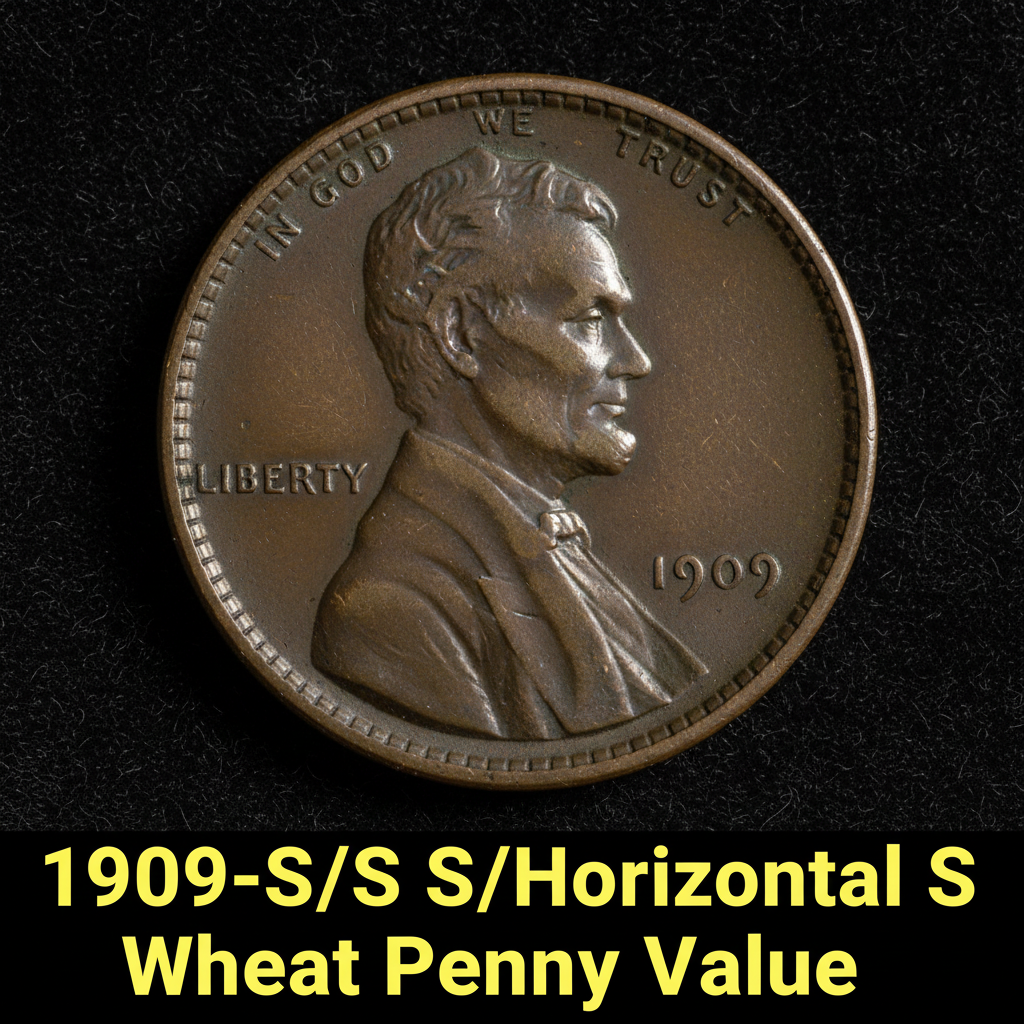
1909-S/S and S/Horizontal S Wheat Penny Value Guide What These Rare Varieties Are Really Worth
The 1909-S/S and 1909-S/Horizontal S Wheat Penny are among the most fascinating Lincoln cent varieties ever struck, worth anywhere from $100 in heavily worn condition to well over $2,000 in mint state — and some certified examples have fetched even more at auction.
If you’ve stumbled across an old wheat penny with an “S” mint mark and something looks a little off about that letter, you might be holding one of the most talked-about Lincoln cent varieties of the entire 20th century. Before you do anything else, it’s worth taking a closer look. A free coin identifier app can help you get a quick read on what you might have, but this guide will walk you through everything you need to know about these rare 1909-S mint mark varieties, their history, and what they’re realistically worth today.
What Are the 1909-S/S and S/Horizontal S Wheat Penny Varieties?
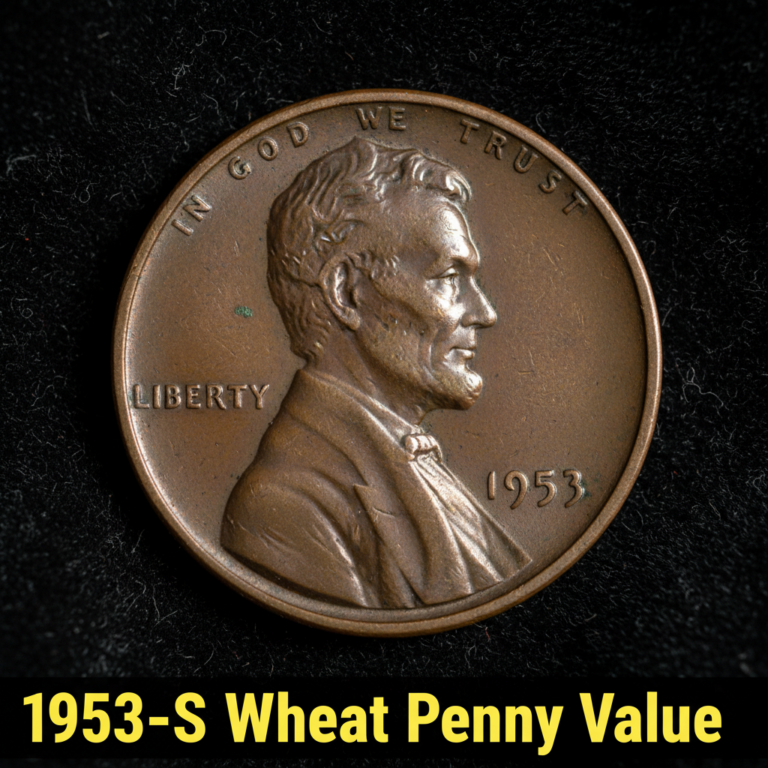
The 1909 Lincoln Wheat Penny was the very first year of the Lincoln cent series, making it historically significant on its own. But coins struck at the San Francisco Mint that year carry an extra layer of intrigue thanks to a handful of die varieties that occurred during production.
The 1909-S/S variety — also called a repunched mint mark — happened when the “S” mint mark was punched into the die more than once, slightly off-alignment. Under magnification, you can see the ghost of a second “S” overlapping or offset from the primary letter.
The 1909-S/Horizontal S is even more unusual. On this variety, the mint mark was first punched into the die horizontally — rotated roughly 90 degrees — and then corrected with a properly oriented “S” punched on top. The result is a faint horizontal “S” visible beneath or beside the upright one. This error occurred because mint workers were hand-punching mint marks directly into working dies, and mistakes like these were more common than most people realize. Both varieties are listed in major references including the CoinKnow database, which catalogs hundreds of Lincoln cent varieties exactly like these.
How to Identify These Varieties on Your Coin
Identifying the 1909-S/S or S/Horizontal S requires magnification — at minimum a 5x loupe, though a 10x or stronger is ideal. Here’s what to look for:
– Location: The mint mark sits just below the date on the obverse (heads side) of the coin.
– 1909-S/S: Look for a secondary “S” that appears doubled, tilted, or offset — you may see extra serifs or a shadow letter behind the primary mint mark.
– S/Horizontal S: Look for what appears to be a sideways or lying-down “S” underneath the upright one. It can appear faint but is clearly distinct from normal die wear.
If you’re unsure, CoinKnow offers a robust variety identification tool that lets you compare your coin’s mint mark against verified images. Getting a professional attribution from PCGS or NGC is the gold standard for confirming the variety and maximizing resale value.
1909-S/S and S/Horizontal S Wheat Penny Value by Grade
Condition plays a massive role in determining what these coins are worth. A heavily circulated example with smooth details is still collectible, but a well-preserved coin with sharp features and original color can command a serious premium. For the most up-to-date pricing, you can check current 1909-S Wheat Penny market prices across all grade levels to see how values have been trending.
| Grade | Description | 1909-S/S Est. Value | 1909-S/Horizontal S Est. Value |
|---|---|---|---|
| G-4 (Good) | Heavy wear, outline visible | $100 – $150 | $150 – $225 |
| VG-8 (Very Good) | Moderate wear, some detail | $150 – $225 | $225 – $350 |
| F-12 (Fine) | Light-moderate wear | $225 – $350 | $350 – $500 |
| VF-20 (Very Fine) | Light wear on high points | $350 – $550 | $500 – $750 |
| EF-40 (Extremely Fine) | Slight wear, sharp detail | $550 – $850 | $750 – $1,100 |
| MS-63 (Mint State) | Uncirculated, minor marks | $1,200 – $1,800 | $1,800 – $2,500+ |
| MS-65 RD (Gem) | Full red, exceptional quality | $2,500 – $4,000+ | $4,000 – $6,500+ |
Note: Values are estimates based on recent auction results and dealer trends. Certified coins in slabs from PCGS or NGC typically sell at the higher end of these ranges.
Why the 1909 San Francisco Mint Varieties Are So Desirable
Collectors have chased 1909-S Lincoln cents since the series began. The San Francisco Mint produced far fewer cents than Philadelphia that year — just 1,825,000 total 1909-S Lincoln cents compared to over 72 million from Philadelphia. That low mintage alone makes any 1909-S wheat penny worth holding onto.
Now layer on a confirmed variety like the S/S or the S/Horizontal S, and you’ve got a coin that appeals to two collector markets at once: date collectors building Lincoln cent sets and variety specialists who specifically hunt die errors and repunched mint marks. That dual appeal is a big reason why these varieties consistently outperform standard 1909-S examples at auction.
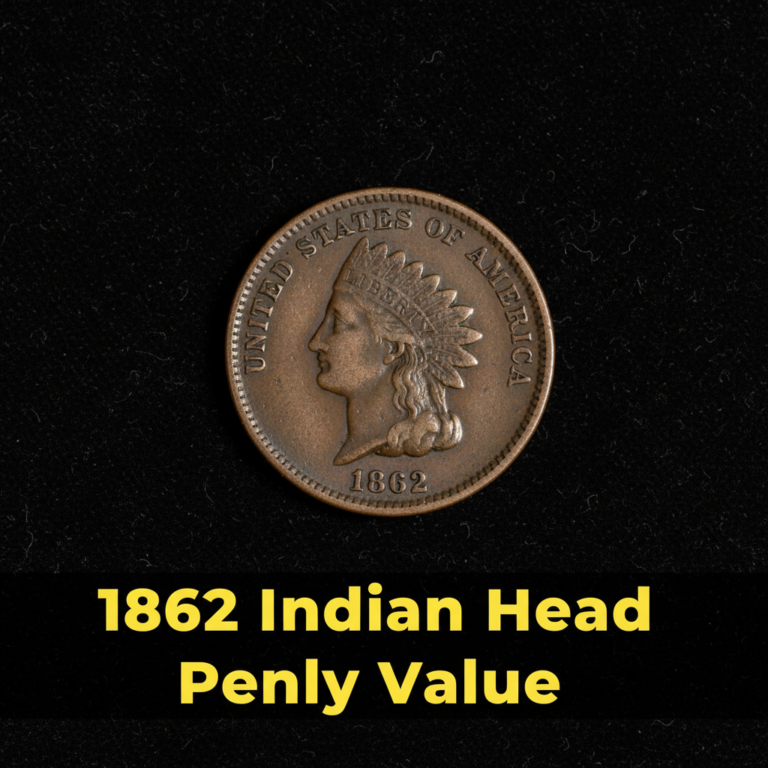
The 1909 cent value history also connects to the Indian Head penny series, since 1909 was a transitional year — both designs were produced simultaneously. That historical context adds even more appeal for collectors who study early American coinage. If you want a handy reference to track values and compare varieties on the go, CoinKnow is one of the most comprehensive tools available for exactly this kind of research.
Should You Get Your 1909-S Wheat Penny Certified?
If you believe your coin is the S/S or S/Horizontal S variety, professional certification is strongly recommended before selling. Third-party grading services like PCGS and NGC will authenticate the variety, assign a grade, and seal the coin in a protective holder. This process dramatically increases buyer confidence and often adds 20–40% to the final sale price compared to raw (uncertified) coins of the same quality.
Submission fees typically run $30–$65 per coin depending on the service tier, which is a small investment when your coin could be worth hundreds or thousands of dollars.
—
Frequently Asked Questions
Q: How do I tell the difference between the 1909-S/S and the 1909-S/Horizontal S varieties?
A: The 1909-S/S shows a second “S” that is offset or doubled in the same upright orientation as the primary mint mark. The 1909-S/Horizontal S shows a secondary “S” that appears rotated approximately 90 degrees beneath the correctly oriented letter — it looks like it’s lying on its side. Good magnification (10x or more) makes both fairly clear. Apps like CoinKnow can also help you cross-reference what you’re seeing.
Q: What is the most valuable version of the 1909-S Wheat Penny?
A: In terms of straight value, a gem uncirculated (MS-65 RD) 1909-S/Horizontal S in a PCGS or NGC holder is among the most valuable of all early Lincoln cent varieties. Prices at that level can reach $6,500 or more. Even in average circulated grades, the S/Horizontal S tends to command higher premiums than the S/S.
Q: Can I find a 1909-S/S or S/Horizontal S in circulation today?
A: It’s extremely unlikely but not impossible. Most surviving examples have been in collections for decades. That said, old penny jars, estate sales, and inherited coin collections do occasionally turn up these varieties. If you find a 1909-S cent anywhere, examine the mint mark carefully — you could be looking at something quite valuable.