1924-D Wheat Penny Value Guide How Much Is Yours Worth
The 1924-D Wheat Penny is worth anywhere from $3 in heavily worn condition to over $1,000 or more in top mint state grades. If you just found one of these old Lincoln cents in a drawer or coin jar, you’re in the right place — let’s break down exactly what it’s worth and why.
What Makes the 1924-D Wheat Penny Special
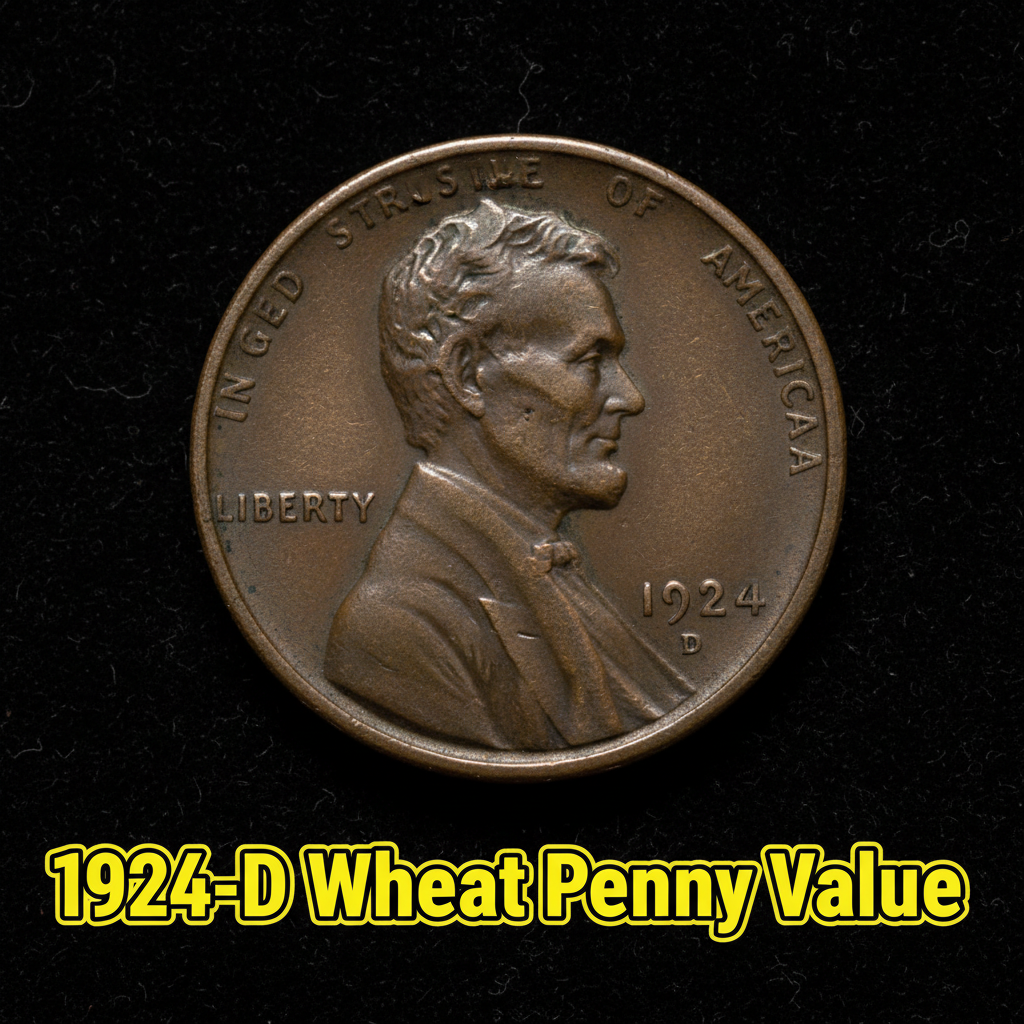
The 1924-D Wheat Penny was struck at the Denver Mint in 1924, identified by the small “D” mintmark found on the obverse just below the date. Denver produced around 2,520,000 of these coins that year — a relatively low mintage compared to Philadelphia’s output. That limited production run is a big reason why the 1924-D commands stronger prices than the regular 1924 Philadelphia issue.
If you’re not sure which mint your coin came from, or you want a quick identification right now, a free coin identifier app can help you scan the coin and get instant feedback. Tools like CoinKnow are especially handy for everyday collectors who want to quickly verify mintmarks and grade estimates without digging through price guides.
Lincoln Wheat Pennies from this era are always in demand. Collectors love the 1924-D because it sits in that sweet spot — old enough to be genuinely scarce, common enough that finding one in a grandparent’s coin jar isn’t out of the question.
1924-D Wheat Penny Value by Grade
Coin condition (called “grade”) is everything when it comes to value. A coin that looks like it went through a washing machine is worth far less than one that still has sharp details. Here’s a general breakdown of what the 1924-D Wheat Penny is worth across different grades:
| Grade | Description | Estimated Value |
|---|---|---|
| Good (G-4) | Heavy wear, outline visible | $3 – $5 |
| Very Good (VG-8) | Moderate wear, some detail | $6 – $12 |
| Fine (F-12) | Even wear, legends clear | $15 – $25 |
| Very Fine (VF-20/30) | Light wear on high points | $35 – $65 |
| Extremely Fine (EF-40) | Slight wear, strong detail | $80 – $150 |
| Mint State (MS-63+) | Uncirculated, no wear | $300 – $1,200+ |
For the most up-to-date auction results and certified coin prices, you can check out detailed 1924-D Wheat Penny price data in mint state red grades to see how top-condition examples have actually sold at auction.
How to Grade Your 1924-D Wheat Penny at Home
You don’t need to be a professional numismatist to get a rough idea of your coin’s grade. Start by looking at Lincoln’s cheekbone, jawline, and the wheat stalks on the reverse — these are the high points that show wear first. If those areas look flat and smooth, your coin is in Good to Fine condition. If you can still see hair strands above Lincoln’s ear and the lettering is sharp and crisp, you could have a Very Fine or better coin.
Lighting matters more than most people realize. Hold your coin under a single light source and tilt it at different angles. Mint state coins will show luster — that soft, cartwheel-like glow that comes from original mint surfaces. Once a coin is circulated and worn, that luster disappears.
CoinKnow offers an easy photo-based grading estimate right from your smartphone. Just take a clear photo of both sides of your coin, and the app will walk you through the condition indicators and estimated value range — no coin expertise required.
Color Designation and Why It Affects the 1924-D Value
Here’s something many people don’t know: copper cents in uncirculated condition are further graded by color, and this can dramatically affect price. The three designations are Red (RD), Red-Brown (RB), and Brown (BN).
A 1924-D graded MS-63 Brown might sell for $300–$400, while the same coin graded MS-63 Red could fetch $800 or more. Original red coins have retained their bright copper luster since the day they were minted — and that’s rare after 100 years. Most uncirculated examples have toned to at least partial red-brown over time.
If you want a full picture of 1924 penny values across all mint varieties and color grades, comparing the D-mint against the Philadelphia and S-mint issues is a great way to understand where your coin stands in the broader market.
Where to Sell Your 1924-D Wheat Penny
Once you know what you have, you have several options. Online platforms like eBay and Heritage Auctions are great for reaching serious collectors who will pay fair market value, especially for coins in VF or better condition. For circulated examples in lower grades, local coin dealers are a quick and hassle-free option.
Before you sell, always get at least two or three opinions on value. If your coin appears to be in Extremely Fine or Mint State condition, consider having it certified by PCGS or NGC — the grading fee is often worth it because certified coins sell for significantly more. CoinKnow can help you decide whether certification makes financial sense based on your coin’s estimated grade and current market prices.
—
Frequently Asked Questions
Q: How do I know if my penny is a 1924-D and not a 1924 Philadelphia issue?
A: Look just below the date on the front of the coin. If you see a small “D” mintmark, it was made in Denver. No mintmark means Philadelphia. The D-mint coin is worth more in most grades.
Q: Is a 1924-D Wheat Penny rare?
A: It’s considered a semi-key date in the Lincoln Wheat Penny series. With only about 2.5 million minted, it’s not the rarest coin out there, but it’s significantly scarcer than most other dates — and collector demand keeps values strong.
Q: My 1924-D penny looks really dark and dirty — is it worth cleaning?
A: Please don’t clean it. Cleaning a coin destroys the original surface and can reduce its value by 50% or more. Even a dark, toned coin is more desirable to collectors than a shiny cleaned one. Leave it as-is and let a professional assess its true condition.