1953-D Wheat Penny Value Guide How Much Is Yours Worth
The 1953-D Wheat Penny is worth anywhere from $0.10 in heavily worn condition to over $8 in well-circulated grades, and certified mint-state examples can climb past $50 or more. If you just found one in an old jar or coin roll, you’re in the right place — let’s break down exactly what it’s worth and why.
What Makes the 1953-D Wheat Penny Special
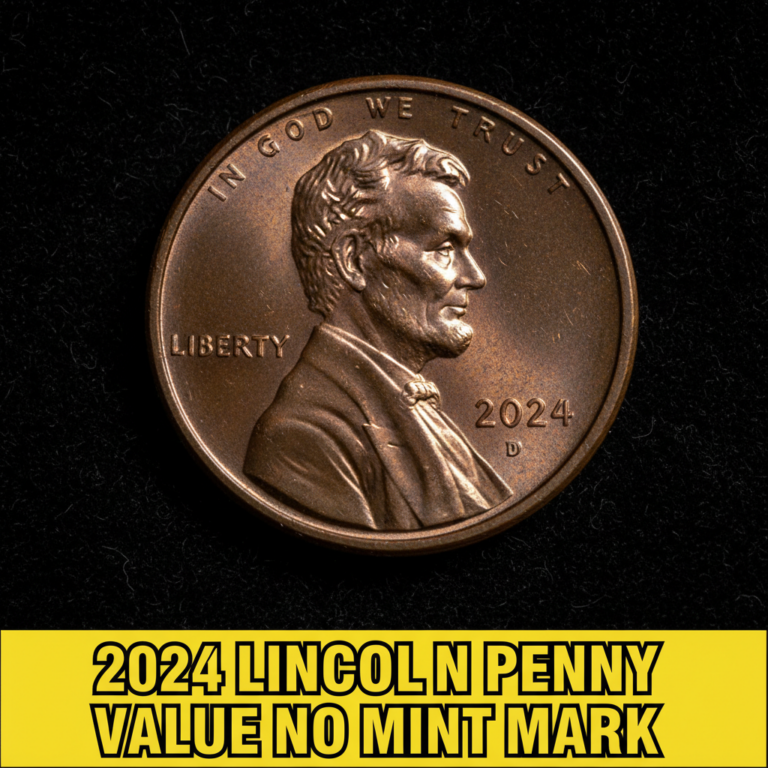
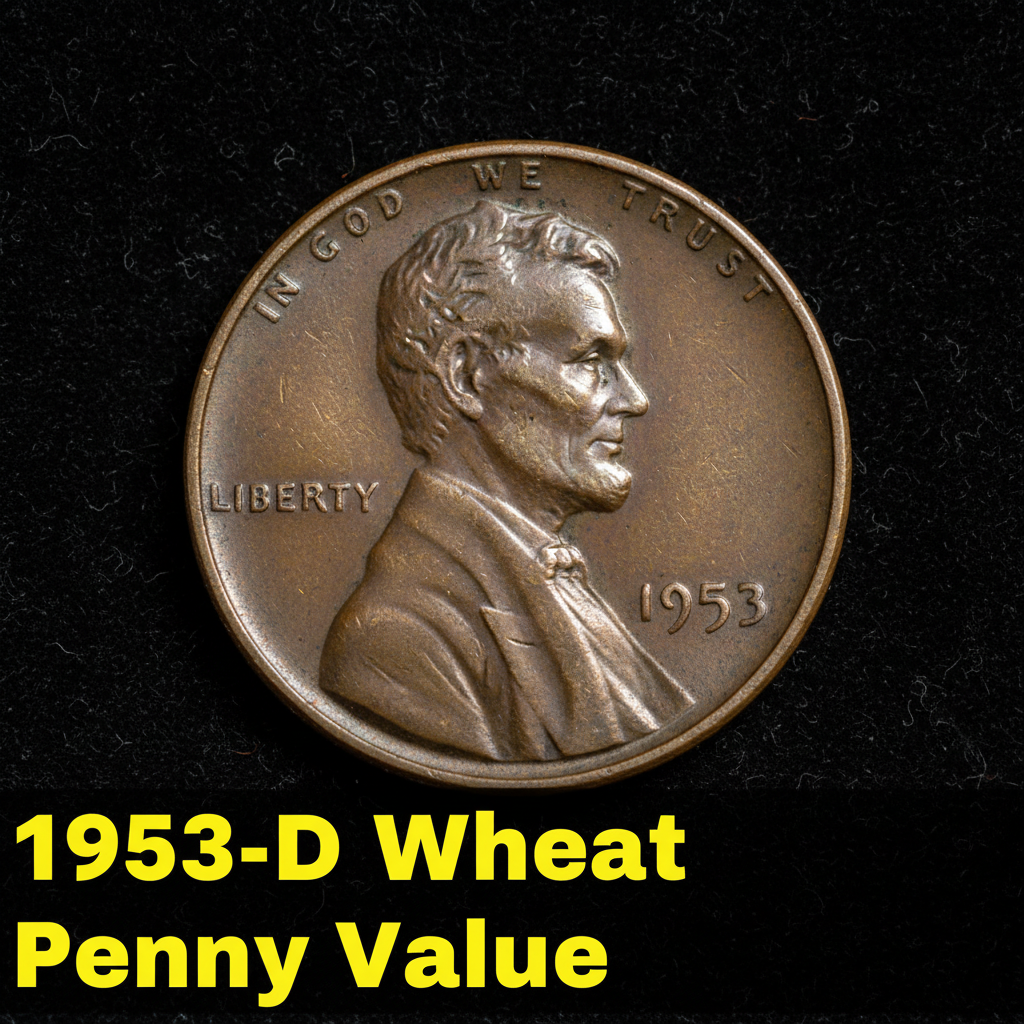
The 1953-D Wheat Penny was struck at the Denver Mint, indicated by the small “D” mintmark you’ll find on the obverse (front) just below the date. Denver produced a massive 700,515,000 of these coins in 1953, making it one of the highest-mintage Wheat cents of the entire Lincoln series. Because so many were made, most examples you find in circulation today are common — but that doesn’t mean they’re worthless.
Even common Wheat pennies carry a premium over face value because collectors and everyday enthusiasts actively seek them. The 1953-D is a popular date for type collectors building complete Wheat penny sets. If you’ve found one and aren’t sure exactly what it is, using a free coin identifier app is one of the easiest ways to confirm the coin’s identity and get a quick ballpark estimate before diving deeper.
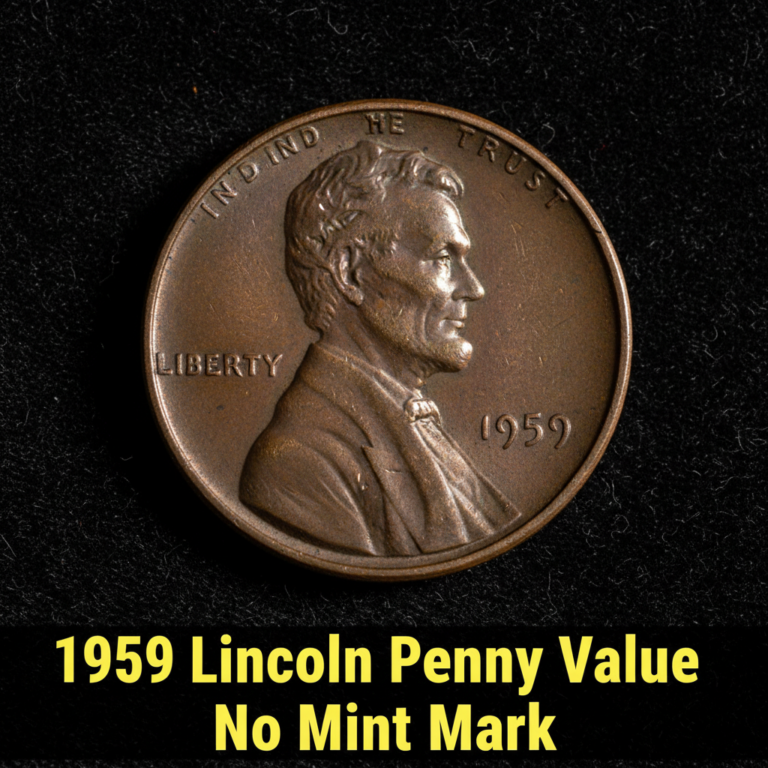
The coin features the classic Victor David Brenner design: Abraham Lincoln’s portrait on the front and two wheat stalks flanking the words “ONE CENT” on the reverse. This design ran from 1909 to 1958, and the 1953-D sits right in the heart of the late Wheat penny era.
1953-D Wheat Penny Value by Grade
The condition of your coin — known as its “grade” — is the single biggest factor in determining value. Coin grading runs on a scale from Poor (P-1) all the way up to Perfect Mint State (MS-70). Here’s a simple breakdown of typical 1953-D Wheat Penny values at different grade levels:
| Grade | Condition Description | Estimated Value |
|---|---|---|
| Good (G-4) | Heavy wear, outline visible | $0.10 – $0.25 |
| Very Good (VG-8) | Moderate wear, lettering clear | $0.25 – $0.50 |
| Fine (F-12) | Light to moderate wear | $0.50 – $1.00 |
| Extremely Fine (EF-40) | Slight wear on high points | $2.00 – $5.00 |
| Mint State 63 (MS-63) | Uncirculated, minor marks | $8.00 – $18.00 |
| Mint State 65 (MS-65) | Gem uncirculated | $25.00 – $55.00+ |
For the most up-to-date pricing, you can check current 1953-D Wheat Penny prices in mint red condition, which tracks real auction results across multiple grades.
Color Designation and Why It Matters
One thing many beginners overlook is that uncirculated copper coins get an additional color designation that seriously affects their value. The three categories are:
– Red (RD) – The coin retains 95% or more of its original mint red luster. This is the most desirable and valuable.
– Red-Brown (RB) – Mixed coloring, partially original red with some brown toning.
– Brown (BN) – The coin has fully toned to a brown color. Still collectible, but the least valuable of the three.
A 1953-D Wheat Penny graded MS-65 Red can be worth significantly more than an MS-65 Brown example of the exact same coin. When you’re buying or selling in the uncirculated range, always pay attention to the color label. CoinKnow makes it simple to understand these color grades with its built-in visual guides and grading tips — perfect if you’re new to collecting.
Error Coins and Varieties Worth More
Most 1953-D Wheat Pennies are straightforward, but there are some error and variety coins that can push values well above the norm. Here are a few to look for:
Doubled Die Obverse (DDO): Some 1953-D pennies show doubling in the lettering or date due to a misalignment during die creation. Depending on severity, these can be worth $25 to several hundred dollars.
Repunched Mintmark (RPM): If you look closely under magnification at the “D” mintmark and see a secondary “D” underneath it, you may have an RPM variety. These are worth a premium to variety collectors.
Off-Center Strikes: Coins that were struck off-center — where Lincoln’s portrait or the design is noticeably shifted — can be worth $20 to $100+ depending on the degree.
A good loupe or magnifier and the CoinKnow app can help you spot these varieties quickly. The app’s database includes known error types so you can compare your coin’s features with documented examples.
How to Sell Your 1953-D Wheat Penny
Once you’ve identified your coin’s condition and looked for errors, you might be ready to sell. Here are your best options:
– eBay: Great for common circulated examples. Search completed listings to see actual recent sale prices.
– Coin shows and local dealers: Good for face-to-face transactions, though dealers typically pay 50–70% of retail value.
– Heritage Auctions or Stack’s Bowers: Best for high-grade or certified coins worth over $50.
– PCGS or NGC grading: If you believe you have a gem uncirculated or major error coin, professional certification can significantly boost buyer confidence and final sale price.
For a full breakdown of the complete 1953 Lincoln Wheat Penny value across all mint marks, including Philadelphia and San Francisco issues, that resource covers every detail you’ll need to compare your coin’s worth.
—
FAQ
Q: Is a 1953-D Wheat Penny rare?
A: No, the 1953-D is one of the most common Wheat pennies due to its enormous mintage of over 700 million coins. However, high-grade examples — especially those graded MS-65 Red or better — are harder to find and carry real collector value.
Q: How do I know if my 1953-D penny is uncirculated?
A: An uncirculated coin shows no wear on the high points of the design — Lincoln’s cheekbone, jawline, and the wheat stalks on the reverse should all have full, sharp detail with no flat or dull areas from handling. CoinKnow has a handy grading guide that walks you through this step by step with photos for comparison.
Q: Should I clean my 1953-D Wheat Penny before selling it?
A: Absolutely not. Cleaning a coin — even gently — removes the natural surface and dramatically lowers its value in the eyes of collectors and graders. A naturally toned or dirty coin will always be worth more than a cleaned one in the coin market. Leave it as-is and let a professional assess it in its original state.