1980 Lincoln Penny Value No Mint Mark What It’s Really Worth Today
The 1980 Lincoln Penny with no mint mark is worth anywhere from 1 cent in heavily circulated condition to around $8 or more in pristine uncirculated grades. Most people find these coins in pocket change and wonder if they’ve stumbled onto something special — and while they’re not rare, some examples can surprise you.
If you’ve got a 1980 penny sitting on your desk right now, you’re in the right place. Before diving into the details, a quick tip: if you’re not sure what you’re looking at, a free coin identifier app can help you quickly confirm the coin’s date, mint mark, and condition right from your phone. It’s a great starting point for beginners and experienced collectors alike. CoinKnow is one popular option that walks you through the identification process step by step.
—
What the 1980 Lincoln Penny No Mint Mark Actually Means
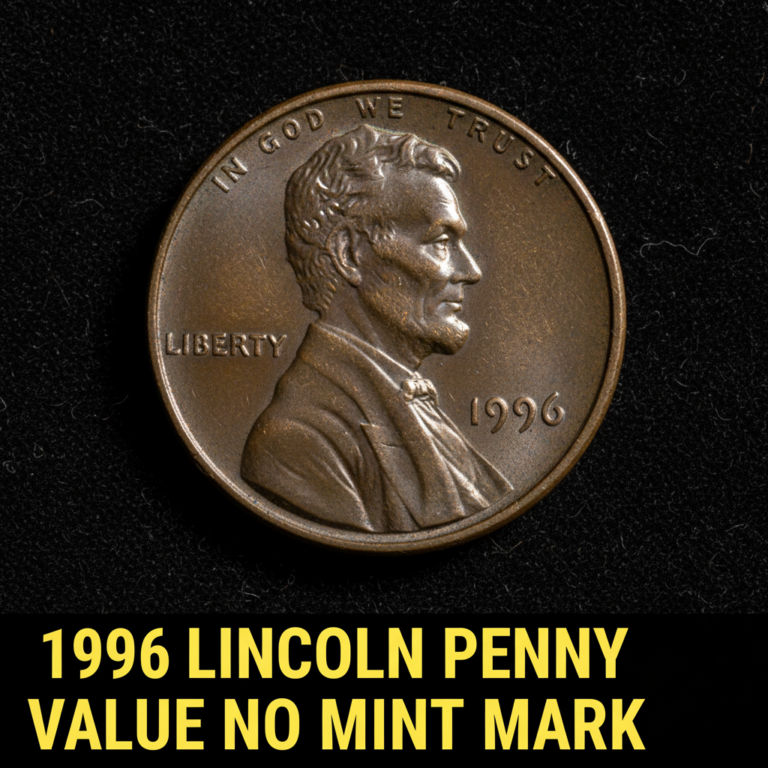
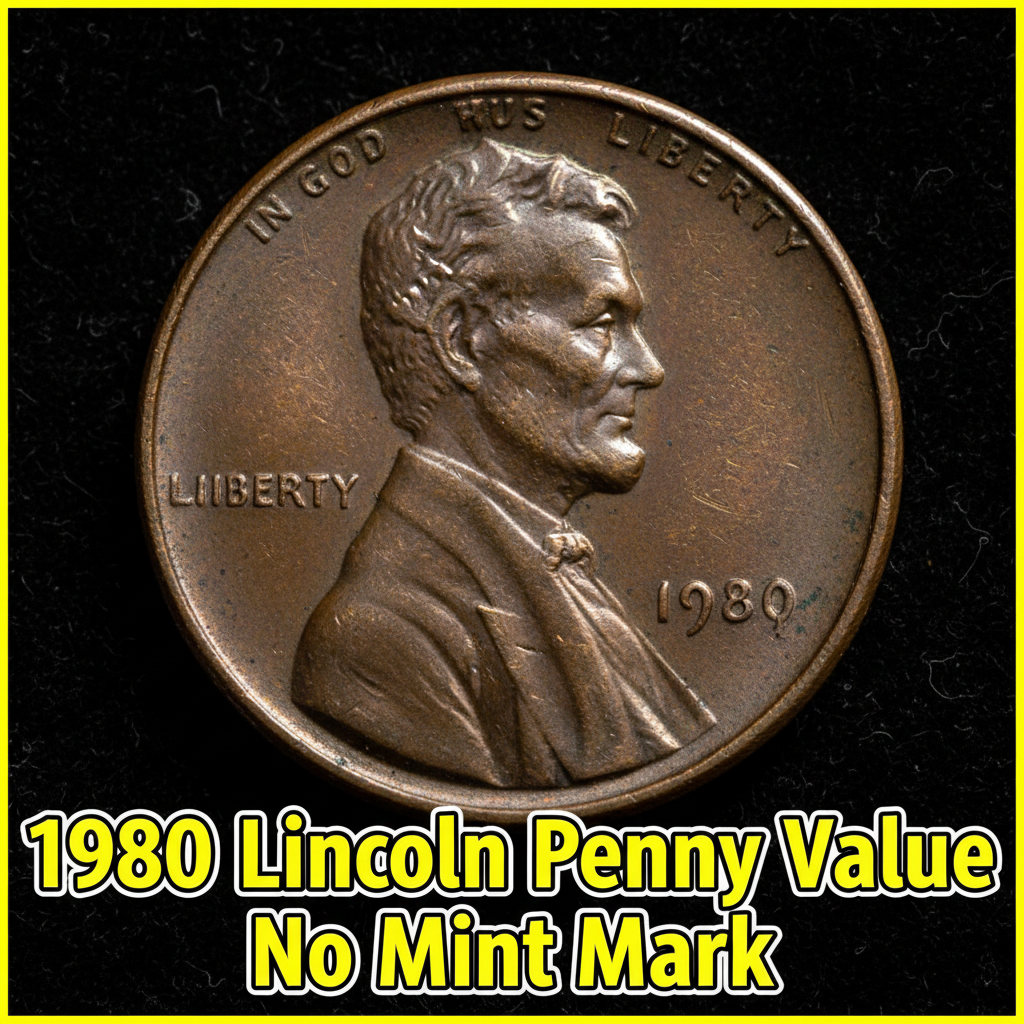
A penny with no mint mark in 1980 tells you exactly where it was made — Philadelphia. The Philadelphia Mint has historically not stamped its coins with a mint mark, so the absence of a letter beneath the date doesn’t mean anything is missing. It’s totally normal. That year, the Philadelphia Mint produced over 7.7 billion Lincoln cents, making this one of the most common pennies of the entire decade.
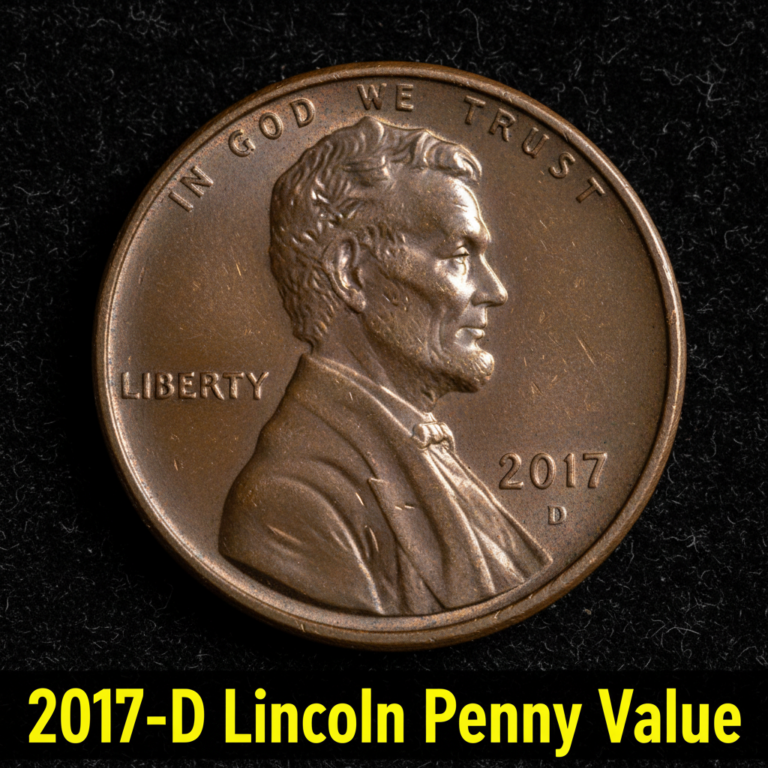
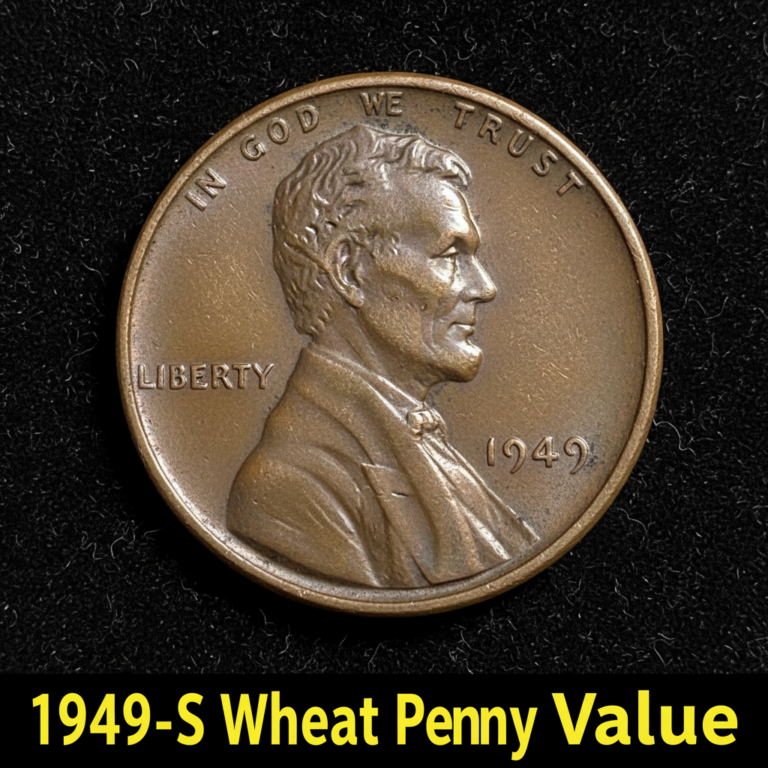
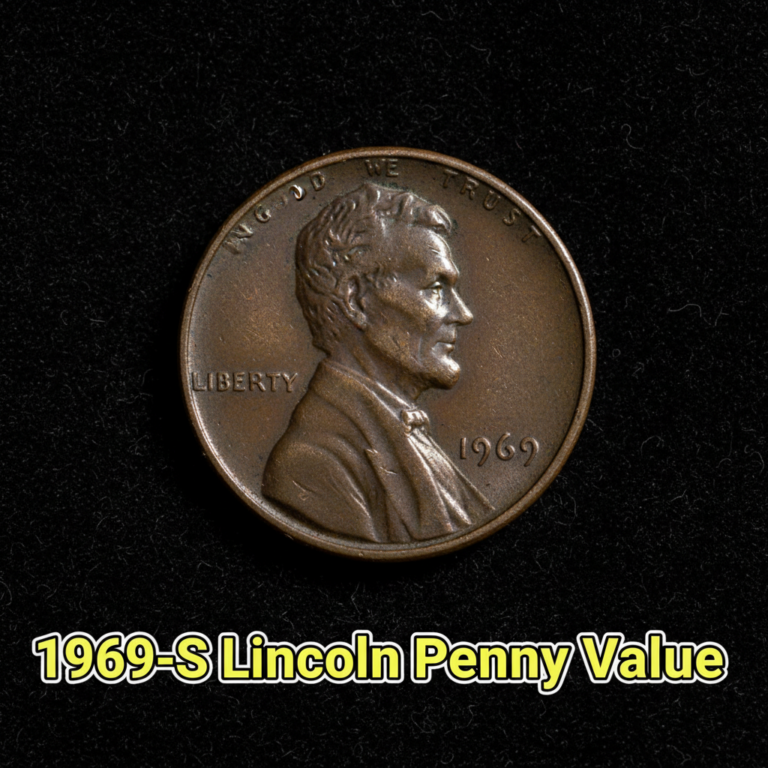
The coin features the classic Lincoln Memorial reverse design, which was used from 1959 through 2008. On the obverse, you’ll see Lincoln’s portrait with the motto “IN GOD WE TRUST” above and “LIBERTY” to the left. The composition in 1980 was still 95% copper and 5% zinc (the U.S. didn’t switch to the zinc core until 1982), which gives these coins a slightly different weight and sound than newer pennies. Copper content can matter to collectors and investors alike, adding a small but real layer of intrinsic value.
—
1980 Penny Value by Grade and Condition
Condition is everything when it comes to coin values. A worn, scratched 1980 Lincoln cent with no mint mark is worth exactly face value — one cent. But a perfectly preserved example that has never been circulated can fetch several dollars from the right buyer. Here’s a general breakdown:
| Grade | Description | Estimated Value |
|---|---|---|
| Good (G-4) | Heavy wear, details flat | $0.01 |
| Fine (F-12) | Moderate wear, some detail | $0.05–$0.10 |
| Extremely Fine (EF-40) | Light wear on high points | $0.25–$0.50 |
| MS-63 Red | Uncirculated, minor blemishes | $1.00–$2.50 |
| MS-65 Red | Gem uncirculated, full luster | $4.00–$8.00 |
| MS-67 Red | Superb gem, near perfect | $50+ |
For a deeper look at certified auction results and graded 1980 Lincoln penny prices in MS Red condition, numismatic databases are your best reference. High-grade examples are genuinely rare, even from a year when billions were produced.
—
Are There Any Valuable Errors on the 1980 No Mint Mark Penny?
This is where things get exciting. Even a common coin like the 1980 Philadelphia penny can be worth serious money if it carries a mint error. Errors happen when something goes wrong during the striking or die preparation process, and they’re completely unintentional. Here are some errors worth watching for:
– Doubled Die Obverse (DDO): Look closely at the lettering and Lincoln’s eye with a magnifying glass. If you see doubling, you may have a collectible variety worth $25–$150 depending on the strength of the doubling.
– Off-Center Strike: If Lincoln’s portrait appears shifted to one side and part of the coin is blank, that’s an off-center error. A 50% off-center piece with a visible date can bring $50–$200.
– Die Cap or Brockage: Rarer errors involving misaligned or capped dies can push values into the hundreds.
– Repunched Date: Minor but collectible.
Always inspect both sides carefully under a good light. CoinKnow makes it easy to photograph error details and cross-reference them with a known database of varieties — a handy tool when you’re not sure what you’re looking at.
—
How to Tell If Your 1980 Penny Is Worth Keeping
Not every old penny deserves a coin flip — pun intended. Here’s a simple checklist to help you decide if your 1980 Lincoln cent is worth holding onto or spending:
1. Check the color. A bright red or red-brown coin in uncirculated condition is worth more than a flat brown one.
2. Look for luster. Mint-fresh pennies have a distinctive sheen. If it’s dull and worn, it’s likely face value.
3. Search for errors. Use a 5x or 10x loupe to inspect the date area, lettering, and Lincoln’s features for doubling, misalignment, or die cracks.
4. Get it graded. If you think you have something exceptional in MS-65 or better, consider submitting it to PCGS or NGC for professional grading. A certified MS-67 Red example can command real money.
You can also check the current 1980 penny value guide with up-to-date price estimates by condition to see how your coin stacks up against recent sales. Knowledge is half the battle when you’re trying to decide whether to sell or save.
—
FAQ
Q: Is a 1980 penny with no mint mark rare?
A: No, it is not rare. Philadelphia struck over 7.7 billion Lincoln cents in 1980, making this one of the most widely produced pennies of the era. However, high-grade uncirculated examples and error coins can still carry real collector value.
Q: How much is a 1980 penny worth if it’s still shiny and looks brand new?
A: A shiny, uncirculated 1980 penny in MS-63 Red might fetch $1–$2.50, while a gem-quality MS-65 Red could be worth $4–$8. True superb gem examples graded MS-67 Red can sometimes sell for $50 or more at auction.
Q: Can I use an app to find out if my 1980 penny has errors?
A: Yes! Apps like CoinKnow allow you to photograph your coin and identify known varieties and errors. It won’t replace a professional grader, but it’s a fantastic first step for everyday collectors who want quick, reliable information without spending money upfront.