1998-D Lincoln Penny Value Guide What It’s Worth and Why It Matters
The 1998-D Lincoln Penny is worth anywhere from 1 cent in heavily circulated condition to around $8 or more in top mint state grades. Most of these coins you’ll find in a jar or pocket change are worth face value, but the higher the grade, the more collectors are willing to pay.
What Is the 1998-D Lincoln Penny?
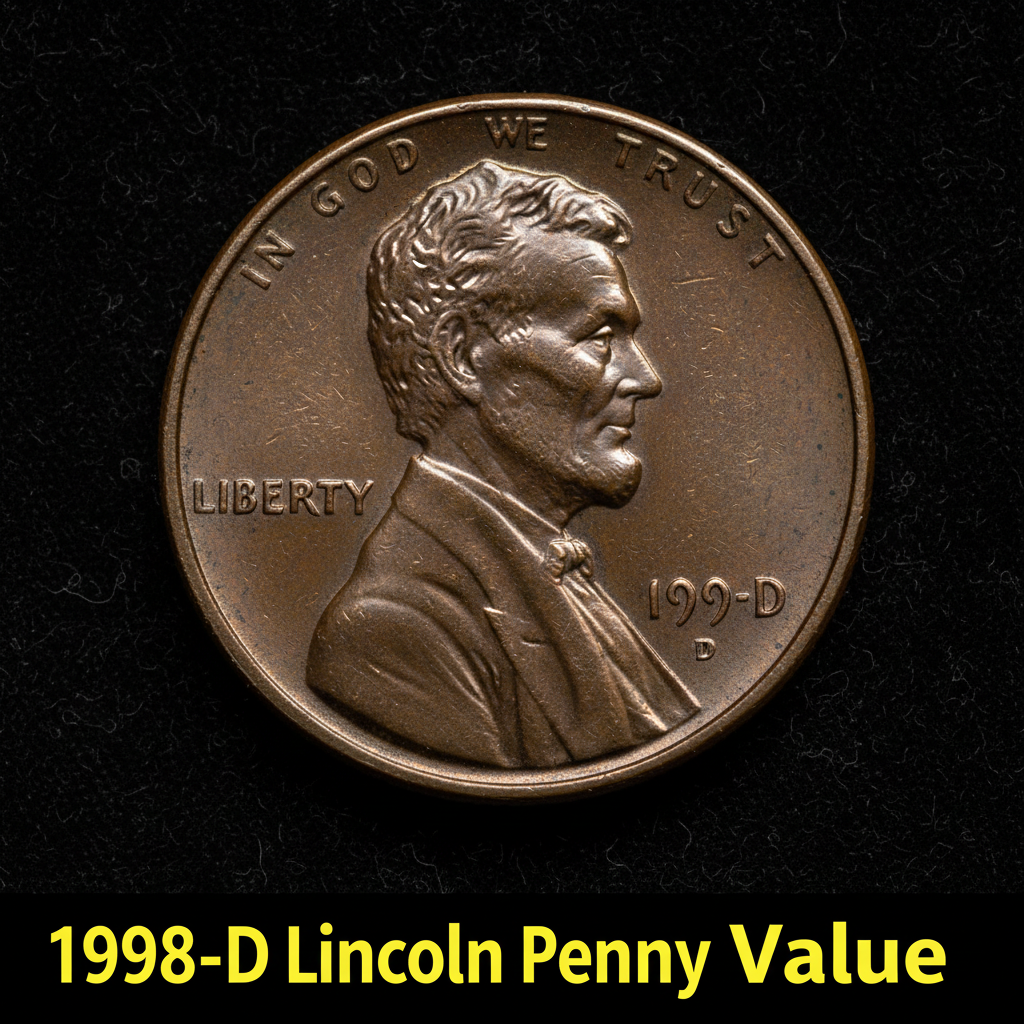
The 1998-D Lincoln Penny was struck at the Denver Mint, which is why you’ll see the small “D” mintmark just below the date on the obverse side of the coin. In 1998, the Denver Mint produced over 5.2 billion Lincoln cents, making this one of the most common modern pennies around. Because so many were made, most circulated examples are worth only face value — but that doesn’t mean every single one is worthless to collectors.
If you’re not sure what you’re looking at, using a free coin identifier app can help you quickly confirm the coin’s mintmark, date, and basic details before diving deeper into its value. These tools are incredibly handy for everyday people who stumble across old coins and want a quick answer.
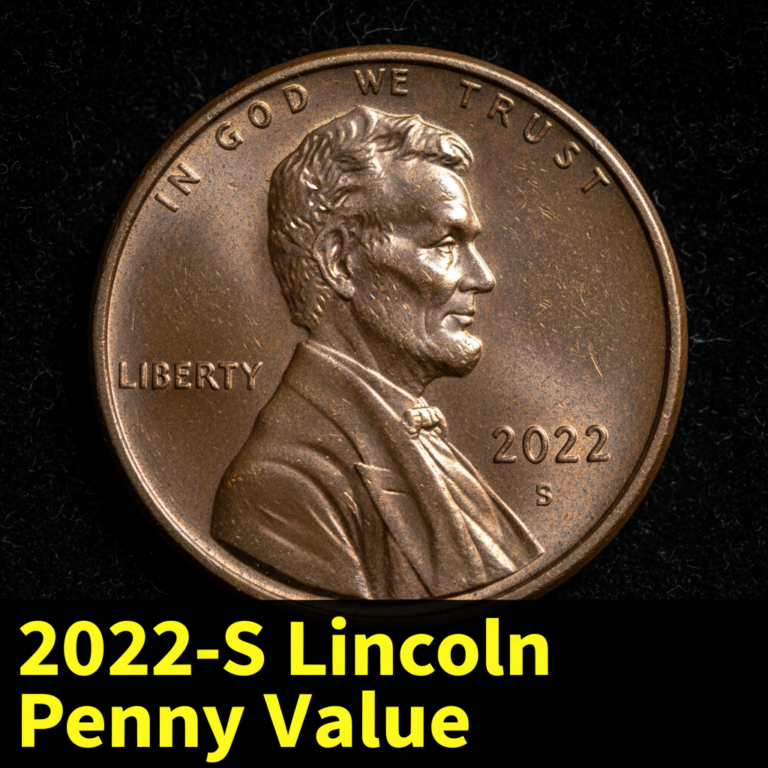
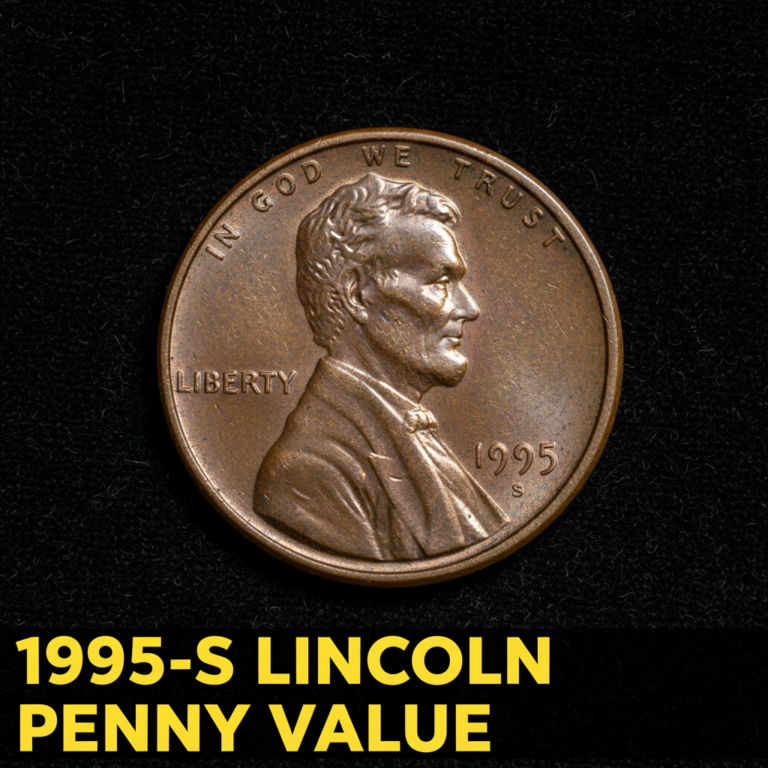
The 1998-D Lincoln Memorial cent features the classic Victor David Brenner portrait of Abraham Lincoln on the front, and the Lincoln Memorial building on the reverse — a design that ran from 1959 to 2008. It’s made of copper-plated zinc, a composition that’s been standard since 1982.
How Much Is a 1998-D Penny Worth Today?
The honest answer is: it depends on the condition. For the average coin pulled from circulation, you’re looking at face value. But for well-preserved examples that have never been touched by wear, values climb noticeably. Here’s a general breakdown of 1998-D Lincoln Penny values by grade:
| Condition / Grade | Estimated Value |
|---|---|
| Good (G-4) | $0.01 |
| Fine (F-12) | $0.01 – $0.05 |
| Extremely Fine (EF-40) | $0.05 – $0.25 |
| Mint State 63 (MS-63 RD) | $0.50 – $2.00 |
| Mint State 65 (MS-65 RD) | $2.00 – $5.00 |
| Mint State 67 (MS-67 RD) | $8.00 – $20.00+ |
For a deeper look at certified auction prices and professional grade values for the 1998-D Lincoln Penny in MS-RD condition, grading services like PCGS and NGC record sales that can help you compare. Top-grade examples certified by these services often bring the highest returns.
Mint State Coins and Why Condition Is Everything
When collectors talk about “mint state” coins, they mean coins that show zero signs of wear — no scratches, no dullness, no contact marks from rattling around in circulation. For a 1998-D penny, finding one in MS-67 or higher is genuinely uncommon, even though billions were made. Most left the mint and went straight into everyday use.
The key to value here is color designation. Red (RD) coins retain their original copper-red luster. Red-Brown (RB) coins have a mix of red and brown tones. Brown (BN) coins have fully toned. In general, RD coins command the highest premiums among collectors. A fully red 1998-D penny in MS-67 is worth far more than a brown one in the same numerical grade.
CoinKnow is a great tool for understanding these distinctions. The app explains grading terminology in plain English, making it easy to figure out what condition your coin might be in before you decide whether to hold it or spend it.
Are There Any Valuable 1998-D Penny Errors?
Error coins are where everyday pocket change can become something genuinely exciting. While the 1998-D Lincoln Penny doesn’t have a famous major error like a doubled die on the same level as the 1995 or 1972 cents, there are still minor varieties and errors that occasionally show up.
Look for:
– Doubled Die Obverse (DDO) – Slight doubling on Lincoln’s eye, the date, or “LIBERTY”
– Die Caps – A rare mint error where the coin is struck multiple times
– Off-Center Strikes – The design is noticeably off-center from the coin’s edge
– Clipped Planchets – The blank metal disc was cut incorrectly before striking
Minor doubled die errors on the 1998-D have been documented, and some examples sell for $10 to $50 depending on how dramatic the doubling appears. Strong, clearly visible errors can go higher at auction.
To check whether your coin might have an error worth investigating, CoinKnow walks you through what to look for with side-by-side comparisons. Many people have found error coins they didn’t even know they had just by taking a closer look. You can also explore a full breakdown of 1998 Lincoln Penny values including errors and varieties to see how different factors affect what collectors pay.
How to Find Out Exactly What Your 1998-D Penny Is Worth
The best way to know for certain what your coin is worth is to grade it accurately and compare recent sales. Start by examining your coin under good lighting with a magnifying glass. Look at the high points of Lincoln’s portrait — his cheekbones, jaw, and hair. If those areas show smoothing or wear, the coin is circulated.
If it looks sharp and bright with no signs of rubbing, it could be mint state. At that point, it may be worth having it professionally graded by PCGS or NGC, especially if it looks like MS-65 or better. Grading fees typically start around $20-$30, so only submit coins where the potential value justifies the cost.
CoinKnow also provides reference images and value guides for Lincoln cents by year and mint, making it one of the simplest ways to get a ballpark estimate from your phone without spending anything.
—
Frequently Asked Questions
Q: Is a 1998-D penny worth keeping?
A: If it’s in circulated condition, it’s essentially worth face value. However, if it’s uncirculated and bright red with no signs of wear, it could be worth a few dollars to a collector. Error coins are always worth a second look.
Q: How do I know if my 1998-D penny is mint state?
A: Mint state coins show no wear on the high points of the design — Lincoln’s cheek, hair, and the tops of the letters. The coin should also retain its original red or red-brown luster. Compare it to grading photos available through resources like PCGS or apps like CoinKnow.
Q: What makes a 1998-D penny more valuable than a normal one?
A: The main factors are condition (higher grades = higher value), color (Red > Red-Brown > Brown), and whether the coin has any mint errors like doubling, off-center strikes, or die caps. A perfectly preserved MS-67 RD example or a clearly visible error coin can be worth significantly more than face value.