1862 Indian Head Penny Value Guide What This Old Cent Could Be Worth Today
If you recently found an 1862 Indian Head penny tucked away in a drawer or inherited coin collection, you’re in the right place. This small copper-nickel cent can be worth anywhere from a couple of dollars to several hundred dollars depending on its condition — and some rare varieties fetch even more.
What Makes the 1862 Indian Head Penny Special
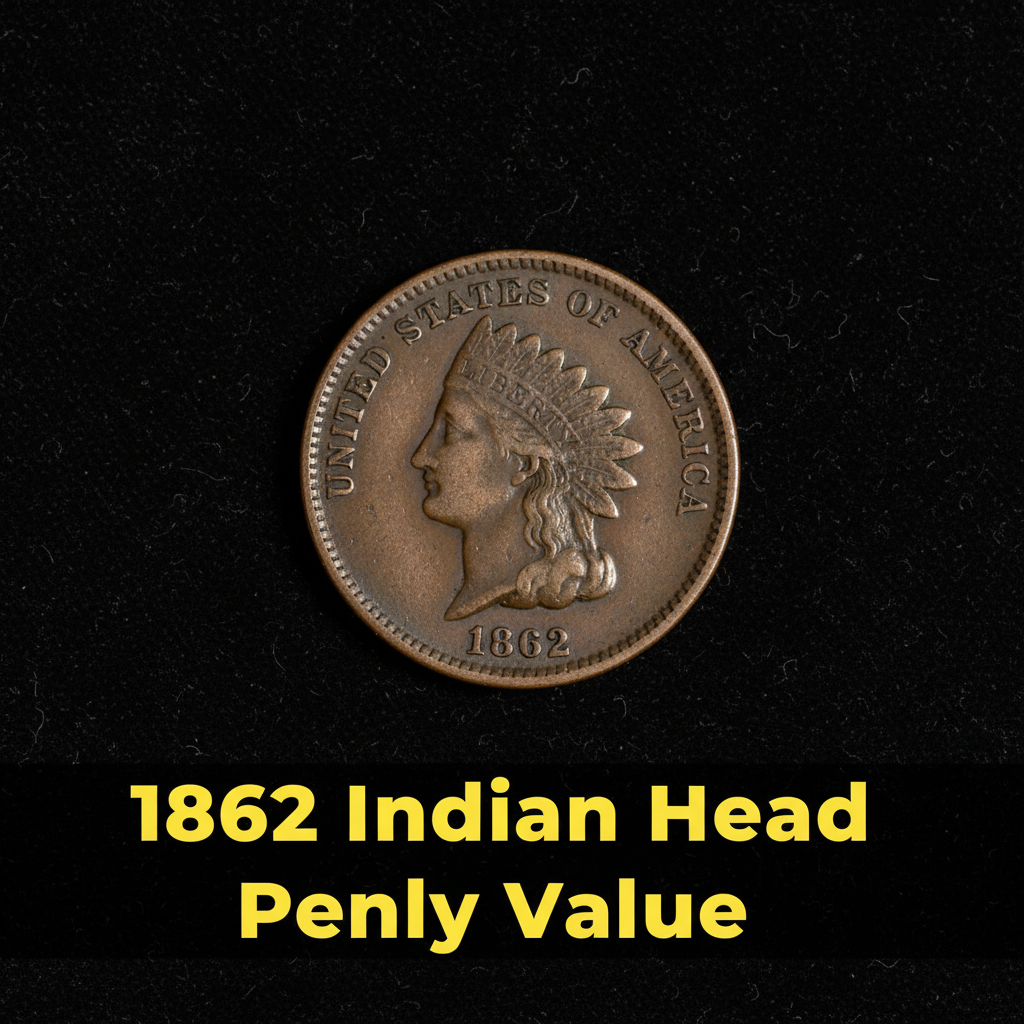
The 1862 Indian Head penny holds a unique place in American history. It was struck during the heart of the Civil War, a time when precious metals were being hoarded by the public and the U.S. Mint was desperately trying to keep coins circulating. The coin was composed of 88% copper and 12% nickel — a composition that gives it a distinctly lighter, almost yellowish color compared to later bronze Indian Head cents.
The obverse features Lady Liberty wearing a Native American headdress, designed by James Longacre. The reverse displays a simple laurel wreath surrounding the denomination “ONE CENT.” More than 28 million of these coins were produced at the Philadelphia Mint, making the 1862 issue one of the more common dates in the Indian Head cent series — but common doesn’t mean worthless. Condition is everything with these old coins.
If you’re not sure what you have, using a free coin identifier app is one of the quickest ways to get a starting point on your coin’s identity and grade before seeking a professional appraisal.
1862 Indian Head Penny Value by Grade
Coin values depend heavily on what collectors call “grade” — a standardized scale that measures how much wear a coin has received. Here’s a general breakdown of what the 1862 Indian Head penny is worth across different grades:
| Grade | Description | Estimated Value |
|---|---|---|
| Good (G-4) | Heavy wear, outline visible | $5 – $10 |
| Very Good (VG-8) | Moderate wear, some detail remains | $10 – $18 |
| Fine (F-12) | Even wear, clear major details | $18 – $30 |
| Extremely Fine (EF-40) | Light wear on high points | $50 – $80 |
| About Uncirculated (AU-50) | Slight wear, most luster present | $90 – $140 |
| Mint State (MS-63) | Uncirculated, minor contact marks | $175 – $300 |
| Gem Mint State (MS-65) | Superior strike and luster | $500 – $900+ |
These values are based on recent auction results and dealer pricing. Always remember that the actual sale price can vary based on eye appeal, color designation (for mint state coins: Red, Red-Brown, or Brown), and market demand at the time of sale.
Rare Varieties That Can Boost the 1862 Indian Head Penny Value
Not all 1862 Indian Head pennies are created equal. Coin collectors and researchers have identified several die varieties for this date. The most noteworthy is the Snow-1 through Snow-6 variety classifications, which catalog subtle differences in die positioning, repunched dates, and clashed dies. While most of these varieties add only modest premiums, a strong example of a rare die pairing in high grade can attract serious collector interest and push values significantly higher.
One thing to examine closely is whether the coin shows signs of a repunched date — where you can see a faint secondary impression of one or more digits. These small anomalies are exactly what variety collectors hunt for. CoinKnow is a great tool for this type of research, offering a detailed variety reference database right in your pocket. If you’re serious about figuring out exactly which die variety you might have, CoinKnow can walk you through what to look for under magnification.
How to Evaluate the Condition of Your 1862 Indian Head Penny
Before you can accurately assess your 1862 Indian Head penny value, you need to understand how to look at it properly. Start by examining the coin under a good light source, preferably natural light or a daylight-balanced lamp. Use a 5x to 10x magnifying loupe if you have one.
Look at the highest points of the design first — the feathers in the headdress on the obverse and the ribbon ends on the reverse laurel wreath. These areas wear down first. If those details are sharp and well-defined, your coin is likely in Fine or better condition. Also check for cleaning — a coin that has been wiped or polished will show tiny hairline scratches under magnification, and cleaned coins are worth significantly less than naturally worn examples.
Avoid touching the face of the coin with your fingers. Skin oils can damage the surface over time. Hold it by the edges and store it in a coin flip or protective holder while you research its value.
Where to Sell Your 1862 Indian Head Penny
Once you have a good idea of your coin’s grade and variety, you have several selling options. Online platforms like eBay and Heritage Auctions reach the largest audience of collectors and can yield strong prices for higher-grade specimens. Local coin shops offer quick cash, though typically at a slight discount to full retail value. Coin shows are another excellent venue where you can get multiple opinions and offers in a single afternoon.
For coins in Mint State, it’s worth considering professional grading through PCGS or NGC before selling — a certified grade adds credibility and can significantly increase buyer confidence and final sale price. CoinKnow can help you compare recent certified sale prices so you know what fair market value looks like before you negotiate with any dealer or buyer.
—
Frequently Asked Questions
Q: Is an 1862 Indian Head penny rare?
A: Not particularly. With over 28 million minted, the 1862 issue is one of the more available dates in the series. However, coins in high grades (MS-63 and above) are genuinely scarce and command strong premiums from collectors.
Q: Can I clean my 1862 Indian Head penny to make it look better?
A: No — please don’t. Cleaning a coin almost always reduces its value in the eyes of collectors. Even a heavily worn but naturally patinated coin is more desirable than a shiny, cleaned one. Stick to careful storage and handling instead.
Q: How do I know if my 1862 Indian Head penny has been professionally graded?
A: A graded coin will be sealed inside a hard plastic holder (called a “slab”) with a label showing the coin’s grade, certification number, and grading service logo (PCGS or NGC). If your coin is loose, it has not been professionally graded — though it can still have significant value based on its condition.