1916 Wheat Penny Value No Mint Mark What It’s Really Worth Today
The 1916 Wheat Penny with no mint mark is worth anywhere from $0.25 in heavily worn condition to over $60 or more in high-grade mint state — and certain uncirculated examples have sold for hundreds at auction. If you just found one in an old jar or coin collection, you’re in the right place to find out exactly what it’s worth.
What Is the 1916 Wheat Penny No Mint Mark?
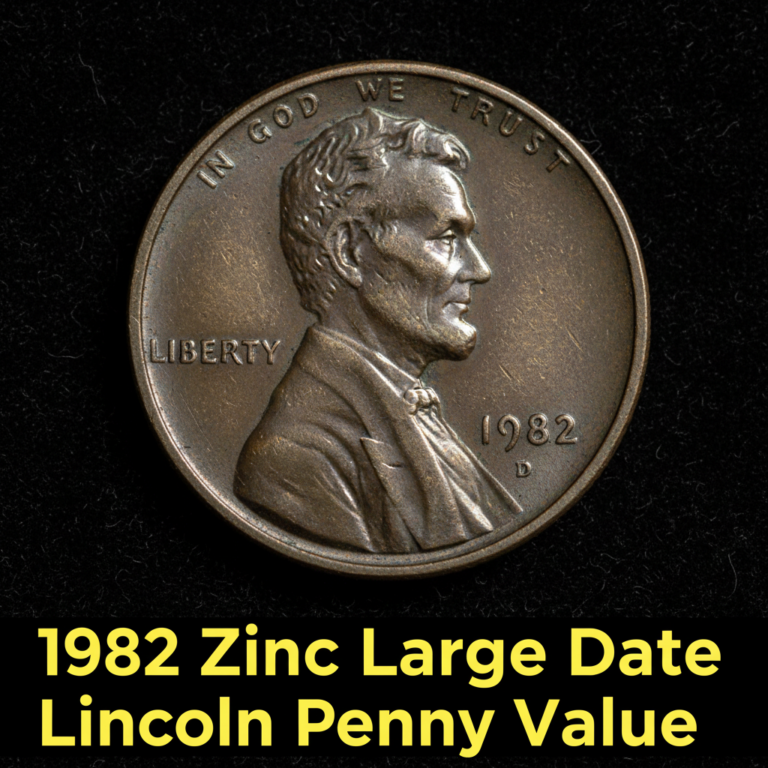
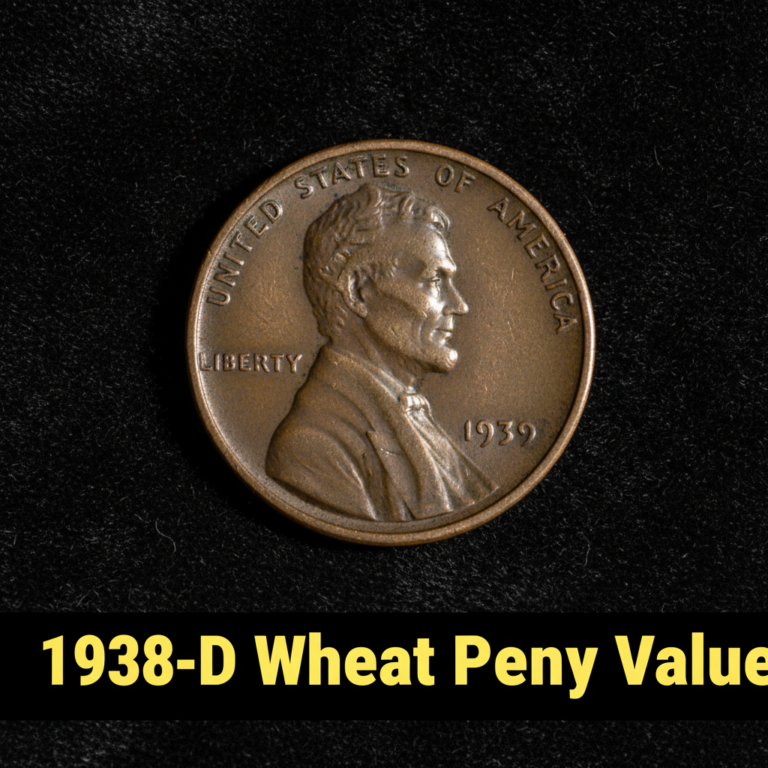
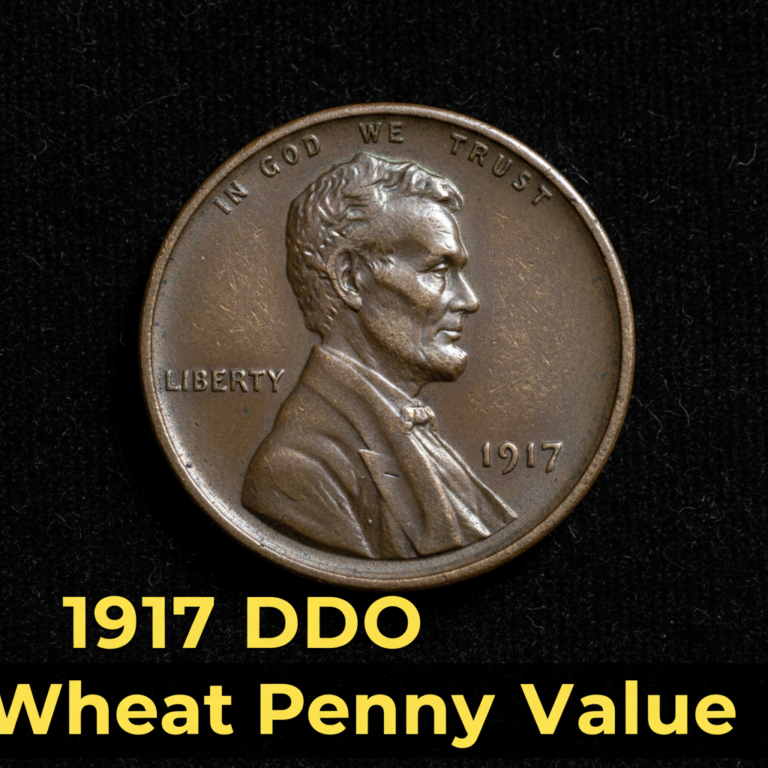
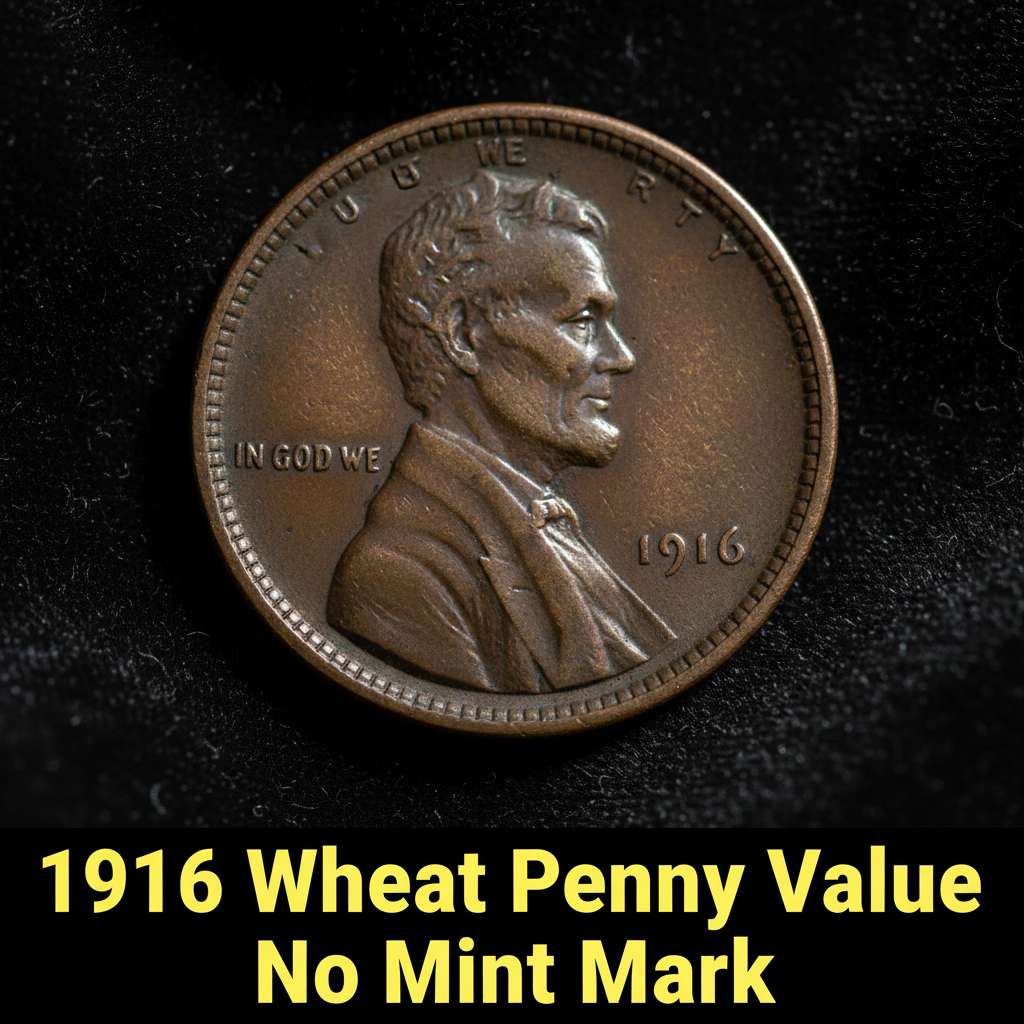
The 1916 Lincoln Wheat Penny was struck at the Philadelphia Mint, which is why it carries no mint mark at all. Philadelphia was the main U.S. Mint facility during this era, and coins produced there were never given a mint mark — that was simply the tradition at the time. In 1916, the Philadelphia Mint produced a whopping 131,833,677 Lincoln cents, making it one of the more common dates in the Wheat Penny series. Because so many were made, most circulated examples are affordable. However, coins that survived in uncirculated condition are surprisingly scarce and can command serious money from collectors.
If you’re not sure what you have, a free coin identifier app can help you quickly snap a photo and get a general idea of the coin’s grade and variety before you dive deeper into its value. Tools like CoinKnow make this process especially easy for everyday collectors and first-time finders.
How Much Is the 1916 Wheat Penny Worth by Grade?
Condition is everything in coin collecting. The same 1916 Lincoln cent can be worth a few cents or several hundred dollars depending on how well it has held up over the past century. Coins are graded on a scale from Poor (P-1) to Perfect Mint State (MS-70). Most coins found in circulation fall into the Good to Fine range, while coins that were never spent and carefully preserved land in the Mint State category.
Here is a general breakdown of 1916 Wheat Penny values by grade to help you understand where your coin might fall:
| Grade | Description | Estimated Value |
|---|---|---|
| Good (G-4) | Heavy wear, major details visible | $0.25 – $0.50 |
| Fine (F-12) | Moderate wear, all legends clear | $1 – $3 |
| Extremely Fine (EF-40) | Light wear on high points only | $5 – $10 |
| About Uncirculated (AU-55) | Slight wear, most luster remains | $15 – $25 |
| Mint State (MS-63) | Uncirculated, minor blemishes | $40 – $65 |
| Mint State Red (MS-65 RD) | Full original red luster, gem quality | $100 – $300+ |
What Makes a 1916 Wheat Penny More Valuable?
Beyond grade, a few specific factors can push the value of a 1916 Lincoln cent no mint mark significantly higher. Color designation is a big one — coins graded as Red (RD) retain their original copper luster and are far more desirable than Brown (BN) examples of the same grade. A gem Red example graded MS-65 RD by PCGS or NGC can sell for over $150 to $300, while the same coin in Brown might bring only $30 to $50.
Strike quality also matters. A sharply struck coin with full wheat stalk detail and a bold portrait of Lincoln will always outperform a weakly struck example. Additionally, coins that have been professionally certified by a top grading service like PCGS or NGC sell for more because buyers trust the grade. You can explore detailed 1916 penny value data across all grades and mint marks to see how your specific coin compares to recent auction records.
CoinKnow is a great tool if you want to track certified coin values and stay updated on what collectors are actually paying right now.
How to Tell If Your 1916 Penny Is in Good Shape
You don’t need to be an expert to get a rough idea of your coin’s grade. Start by looking at Lincoln’s cheekbone and jaw — these are the highest points on the coin and the first areas to show wear. If those details are still crisp and sharp, you likely have a higher-grade coin. Next, check the wheat stalks on the reverse. On heavily worn coins, those individual lines start to merge and flatten out. Finally, look at the coin’s color under natural light. If it glows with an orange-red or rose color, that’s original mint luster and a very good sign.
Avoid cleaning your coin with anything — even a gentle wipe with a cloth can scratch the surface and drop its value significantly. Collectors strongly prefer original, untouched surfaces.
Is the 1916 Wheat Penny a Good Find?
For most people who stumble across a 1916 Lincoln cent in an old piggy bank or grandparent’s collection, it’s a genuinely cool piece of American history worth keeping. It’s over 100 years old, made of 95% copper, and features Victor David Brenner’s iconic portrait of Abraham Lincoln — the same design that launched the most popular coin series in U.S. history. Even a well-worn example is worth holding onto, and if you’re lucky enough to have one in great shape, it could be worth real money. Use CoinKnow to scan your coin and get a fast, reliable estimate before you decide what to do with it.
FAQ
Q: How do I know if my 1916 penny has a mint mark?
A: Look on the obverse (front) of the coin, just below the date. If you see a small “D” it was made in Denver, and a small “S” means San Francisco. No letter at all means it came from Philadelphia — that’s the no mint mark variety covered in this guide.
Q: Is a 1916 Wheat Penny with no mint mark rare?
A: Not particularly. With over 131 million minted in Philadelphia, circulated examples are common and affordable. What is rare is finding one in true uncirculated condition with original red color, which is where real collector value comes in.
Q: Should I get my 1916 penny graded by PCGS or NGC?
A: It’s worth considering only if your coin appears to be in uncirculated or near-uncirculated condition. Grading fees typically run $20 to $40 per coin, so it only makes financial sense if the coin could be worth $75 or more once certified. A worn example in Good condition is generally not worth the cost of professional grading.