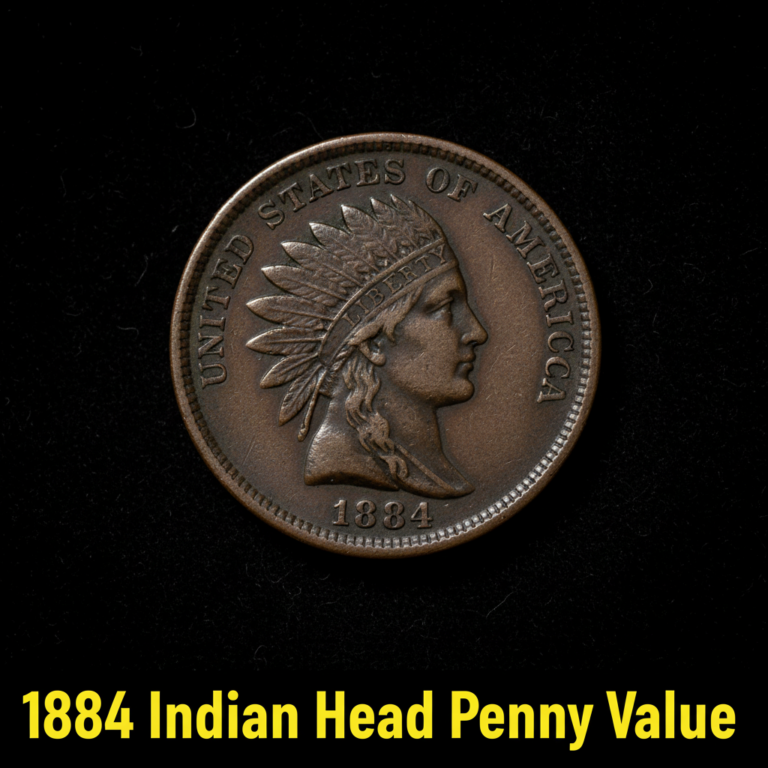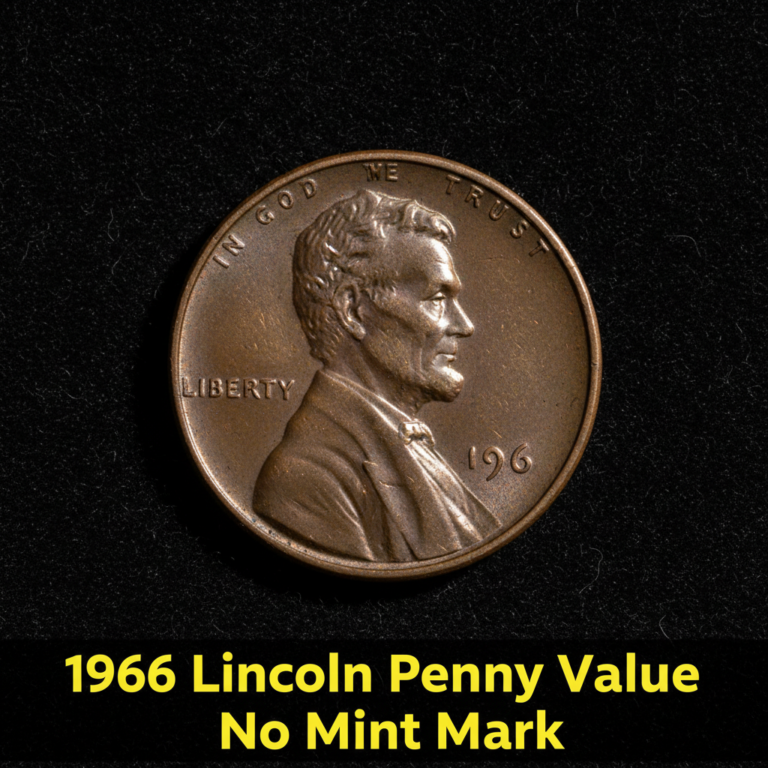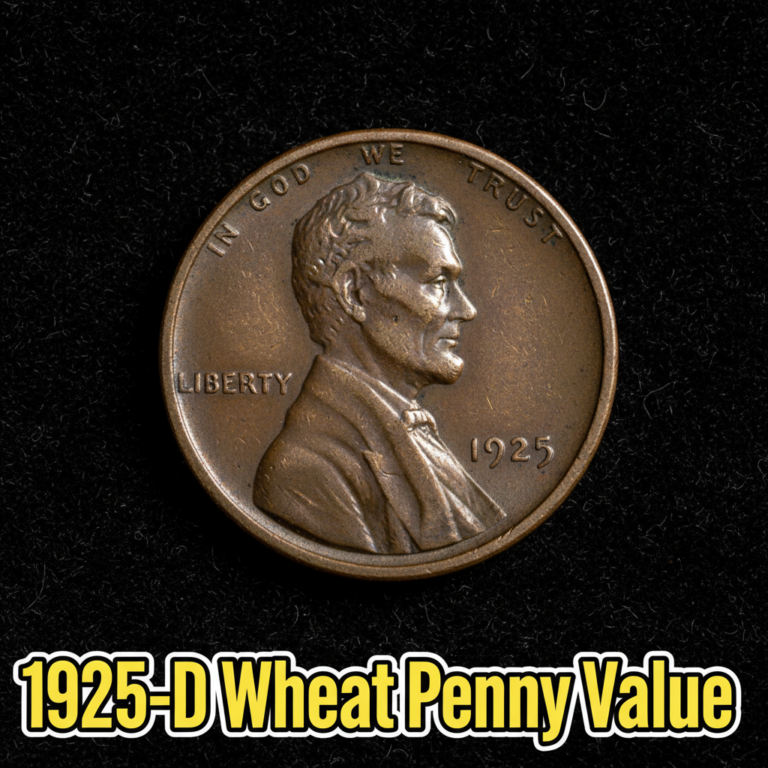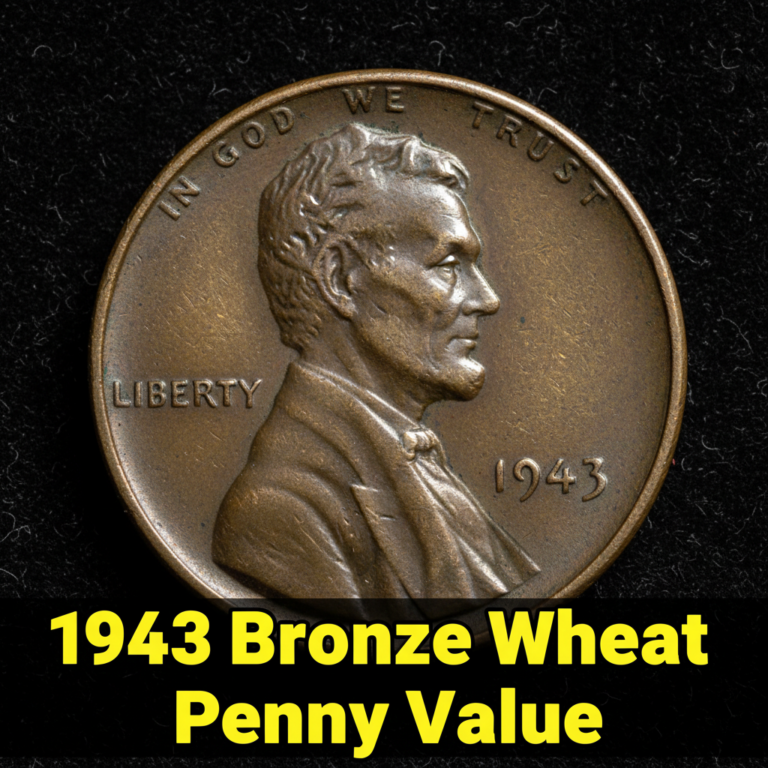
1920-S Wheat Penny Value and What Your Coin Could Be Worth Today
The 1920-S Wheat Penny is worth anywhere from $1 to $3 in heavily worn condition, but well-preserved examples can fetch $50, $100, or even several hundred dollars depending on grade and eye appeal. If you just found one of these old Lincoln cents, you’re in the right place to learn exactly what it’s worth.
Before we dive in, if you’re not sure which mint mark is on your coin or want a quick identification, try using a free coin identifier app to scan your penny and get an instant read on what you’re holding. Tools like CoinKnow make it easy for everyday collectors to identify coins and track their values without any prior experience.
—
What Is the 1920-S Wheat Penny and Why Does the Mint Mark Matter
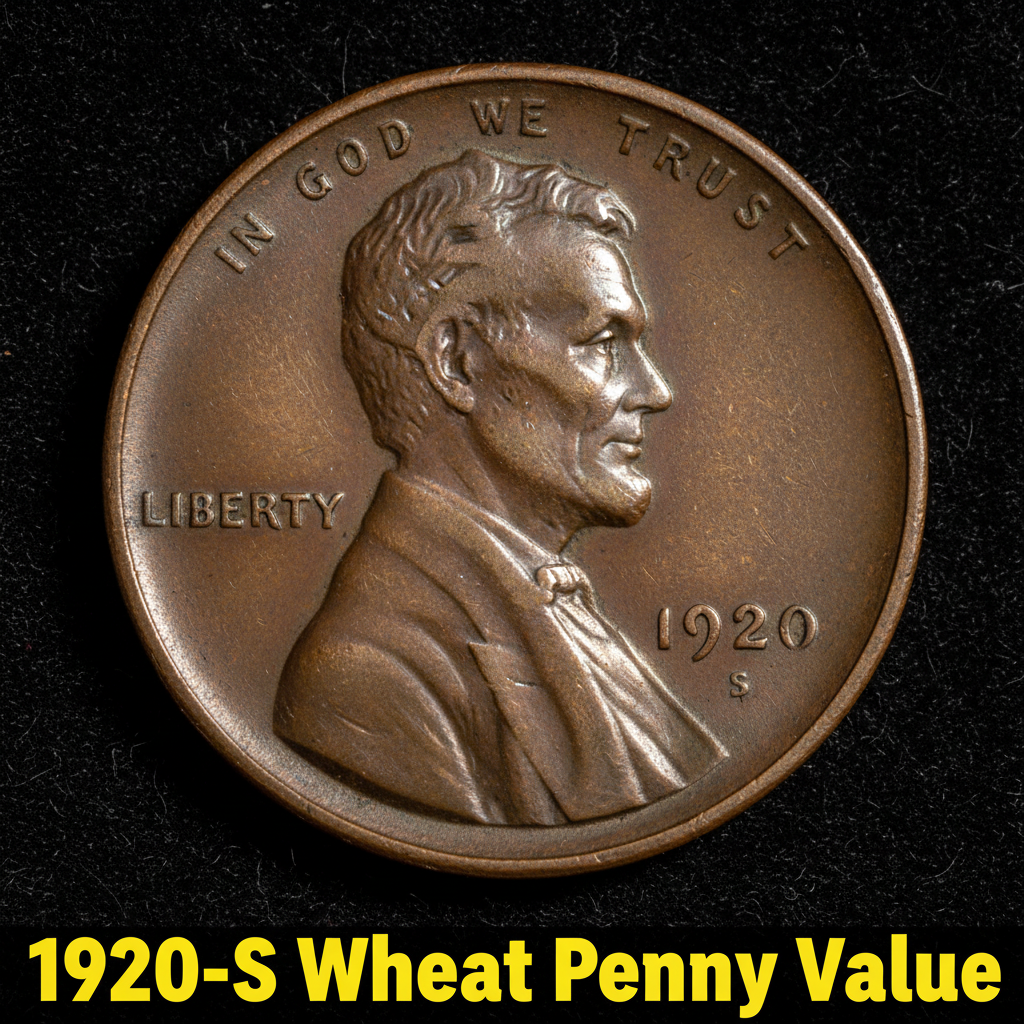
The 1920-S Wheat Penny was struck at the San Francisco Mint in 1920, giving it the small “S” mint mark you’ll find just below the date on the obverse side. That single letter makes a big difference in value. While the Philadelphia Mint produced over 310 million Lincoln cents that year, San Francisco turned out only about 46.2 million — making the “S” version noticeably scarcer.
The coin features Victor David Brenner’s classic Lincoln portrait on the front and two wheat stalks framing the words “ONE CENT” on the reverse. These “Wheat Pennies” were minted from 1909 to 1958, and the 1920-S is considered a moderately scarce date, especially in higher grades. Collectors who specialize in Lincoln cents actively seek out clean, well-struck 1920-S examples, which is exactly why condition plays such a huge role in determining price.
—
1920-S Wheat Penny Value by Grade
The grade of your coin — essentially how much wear it shows — is the single biggest factor in its value. A penny that has been rattling around in someone’s pocket for decades will show flat, faded details on Lincoln’s cheek and hair. A coin kept in a collection since shortly after it was minted may still show original mint luster and sharp detail.
Here’s a general breakdown of what the 1920-S Wheat Penny is worth at different grade levels:
| Grade | Description | Estimated Value |
|---|---|---|
| Good (G-4) | Heavy wear, date and letters visible | $1.50 – $3 |
| Fine (F-12) | Moderate wear, some detail visible | $8 – $15 |
| Extremely Fine (EF-40) | Light wear on high points only | $30 – $55 |
| About Uncirculated (AU-55) | Slight rub, much original luster | $60 – $100 |
| Mint State (MS-63) | Uncirculated, minor contact marks | $150 – $275 |
| Gem Mint State (MS-65+) | Exceptional luster and strike | $400 – $800+ |
For the most up-to-date pricing, you can check current 1920-S Wheat Penny prices in MS-RD condition to see what top-grade red examples are trading for right now.
—
How to Tell If Your 1920-S Wheat Penny Is Worth More
Not all 1920-S pennies are equal. Beyond the grade, color designation plays a major role in uncirculated examples. Copper coins are graded as Red (RD), Red-Brown (RB), or Brown (BN) based on how much original orange-red mint color remains. A Red example can be worth two to three times more than a Brown one in the same numerical grade.
Strike quality also matters. Some San Francisco coins from this era came off the dies a bit softly, leaving Lincoln’s wheat stalks or ear details slightly mushy. A sharply struck example with full details commands a premium among serious Lincoln cent collectors.
Cleaning is another thing to watch out for. Many old pennies were cleaned or polished at some point by well-meaning owners who didn’t realize it actually destroys value. A cleaned coin will have an unnatural brightness or fine hairline scratches visible under magnification, and most dealers will discount it significantly or avoid it altogether. If you’re unsure, CoinKnow lets you photograph your coin and get a clearer sense of its condition and potential value before you decide whether to sell.
—
Selling or Holding Your 1920-S Wheat Penny
If your coin grades out below Fine, it’s likely worth just a few dollars to a coin dealer or at a local coin show. That said, if you have a nicer example — say, Extremely Fine or better — it’s worth getting a second opinion before selling. You can find detailed 1920 penny value information to compare your coin against recent sales data and know whether you’re getting a fair offer.
For coins grading Mint State 63 or higher, professional grading through PCGS or NGC is usually worth the cost. A certified, problem-free 1920-S in MS-65 Red can sell for hundreds of dollars at major coin auctions. The certification fee pays for itself many times over on a coin of that quality.
If you’re not ready to sell and just want to track what your coin collection is worth over time, CoinKnow offers a simple portfolio tracker so you always know the current market value of your coins in one place.
—
FAQ
Q: How can I tell if my penny is the 1920-S and not the Philadelphia or Denver issue?
A: Look just below the date on the front of the coin. If you see a small “S,” it was struck in San Francisco. No mint mark means Philadelphia, and a “D” means Denver. The 1920-D is the rarest of the three, while the Philadelphia issue is the most common.
Q: Is a 1920-S Wheat Penny made of silver?
A: No. The 1920-S Wheat Penny is made of 95% copper and 5% tin and zinc. It contains no silver. The only U.S. pennies ever made with silver content were the wartime 1943 steel cents, which are a completely different coin.
Q: What’s the most valuable 1920-S Wheat Penny ever sold?
A: Top-grade examples in MS-66 Red or MS-67 Red have sold at auction for over $1,000 and in some cases well above that figure. These coins are extremely rare in that condition and represent the finest known survivors from the San Francisco Mint’s 1920 production.