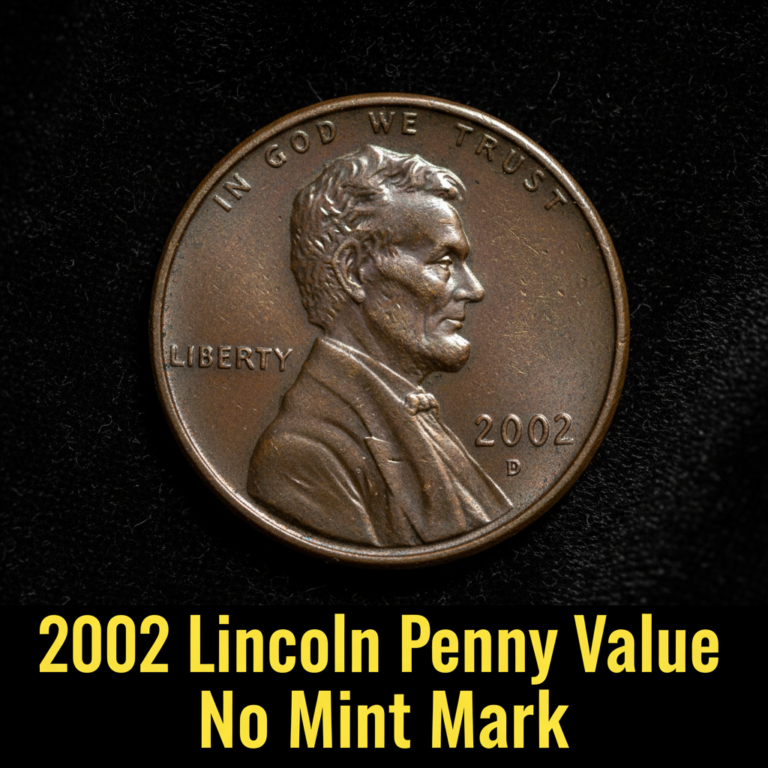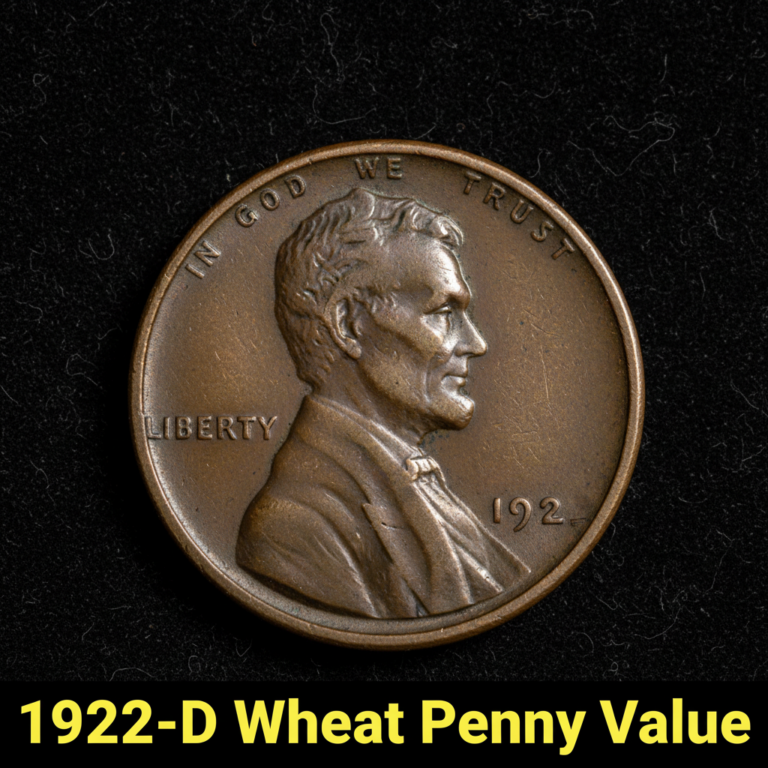
1914 Wheat Penny Value No Mint Mark What Is It Worth Today
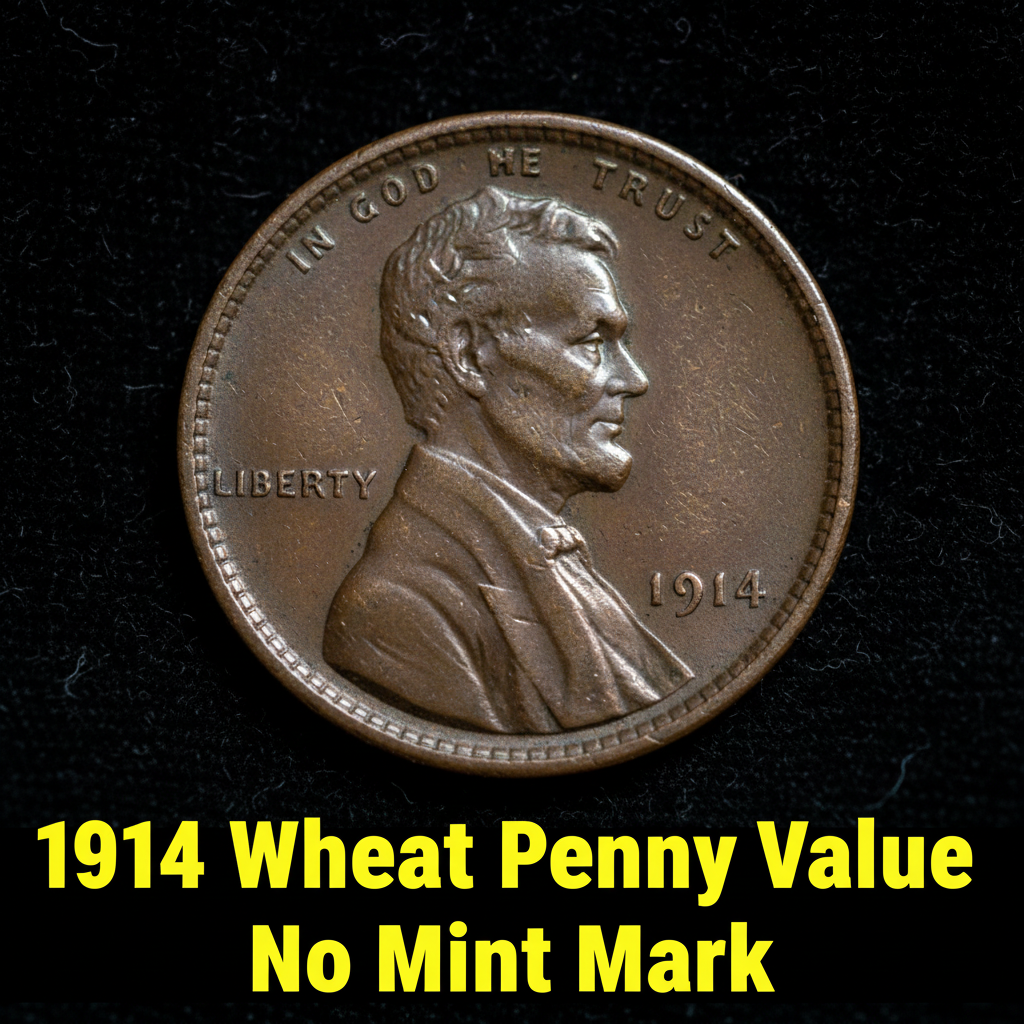
The 1914 Wheat Penny with no mint mark is worth anywhere from $0.50 in heavily worn condition to well over $200 in high-grade mint state examples. If you found one of these old Lincoln cents in a jar or drawer, you might be holding onto something more valuable than you think.
When you spot an old penny with wheat stalks on the back and the date 1914, your first instinct might be to wonder what it’s actually worth. Using a free coin identifier app is a great first step to figure out what you have before you decide whether to sell it or add it to a collection. The 1914 no mint mark penny was struck at the Philadelphia Mint, which did not use a mint mark at the time. That means you won’t see a “D” or “S” under the date — the blank space itself tells you where it came from. Philadelphia produced around 75.2 million of these coins in 1914, making them relatively common compared to their Denver and San Francisco counterparts. Still, age and condition play a huge role in determining real-world value, and some examples in top condition can surprise even experienced collectors.
How Condition Affects the 1914 Wheat Penny Value No Mint Mark
Like any old coin, the condition of your 1914 Philadelphia Wheat Penny has the biggest impact on what it’s worth. Coin grading uses a scale from Poor (P-1) all the way up to Mint State 70 (MS-70), and even moving a few grades up on that scale can significantly change the dollar value. A coin that still shows Lincoln’s full facial features, clear lettering, and defined wheat stalks on the reverse is always going to be worth more than one that’s been rubbed smooth by decades in someone’s pocket. In circulated grades like Good (G-4) or Very Fine (VF-20), these coins are affordable and commonly found. Once you get into Extremely Fine (EF-40) territory or higher, the price starts climbing. For detailed and up-to-date 1914 Wheat Penny price data in mint state red grades, it helps to consult a reliable pricing source so you know what the market is actually doing right now. The CoinKnow app is one of the most convenient tools available for checking real-time coin values on your phone — handy whether you’re at a coin show or going through grandpa’s old collection.
1914 Wheat Penny Value Chart by Grade
Here’s a quick look at approximate retail values for the 1914 no mint mark Lincoln Wheat Penny across different grades:
| Grade | Description | Estimated Value |
|---|---|---|
| Good (G-4) | Heavily worn, design visible | $0.50 – $1.50 |
| Very Good (VG-8) | Moderate wear, main features clear | $2 – $5 |
| Fine (F-12) | Light to moderate wear | $5 – $10 |
| Very Fine (VF-20) | Light wear on high points | $10 – $20 |
| Extremely Fine (EF-40) | Slight wear, sharp details | $25 – $45 |
| About Uncirculated (AU-50) | Minimal wear, luster present | $50 – $80 |
| Mint State (MS-63) | Uncirculated, minor blemishes | $100 – $160 |
| Mint State (MS-65 RD) | Gem uncirculated, full red color | $200 – $400+ |
The 1914-D Penny Comparison and Why Mint Mark Matters
It’s worth mentioning why the mint mark — or lack of one — matters so much with 1914 Lincoln cents. While the Philadelphia version is relatively affordable, the 1914-D (Denver) is considered one of the key dates in the entire Wheat Penny series. It had a much lower mintage of just over 1.1 million coins, which makes it genuinely rare and highly sought after by collectors. A circulated 1914-D can fetch hundreds of dollars, while top examples have sold for tens of thousands. The 1914-S (San Francisco) also carries a premium over the Philadelphia issue. When checking your coin, look closely under the date on the obverse. No letter means Philadelphia. A small “D” means Denver. A small “S” means San Francisco. Getting this right before you sell or trade is essential. If you want a complete breakdown of the full 1914 penny value including all mint marks and grades, that’s a smart place to start your research.
Tips for Selling or Getting Your 1914 Wheat Penny Appraised
If you think your coin might be in high grade or you’re unsure what you have, a few simple steps can help you get the most from it. First, don’t clean the coin — ever. Cleaning removes the natural patina and can drop the value significantly, even if the coin looks shinier afterwards. Second, consider getting it professionally graded by PCGS or NGC if you believe it’s uncirculated or near uncirculated. Third, shop around before selling. Online platforms like eBay, Heritage Auctions, and local coin dealers all have different fee structures and buyer pools. And if you want to do quick research on the go, CoinKnow makes it easy to scan and identify coins right from your smartphone, giving you instant access to current market prices. For everyday collectors and casual finders alike, tools like CoinKnow have made coin research faster and more accessible than ever before.
FAQ
Q: How do I know if my 1914 penny is the rare D or S variety?
A: Look directly below the date on the front of the coin. The Philadelphia issue has no mint mark at all. If you see a small “D,” it’s from Denver and worth significantly more. A small “S” indicates San Francisco. Use a magnifying glass or loupe to check carefully, since the letter is small.
Q: Is a 1914 Wheat Penny with no mint mark worth cleaning up before selling?
A: No — never clean an old coin before selling or having it appraised. Even gentle cleaning can leave microscopic scratches that lower the grade and reduce the value in the eyes of collectors and professional graders. A naturally toned coin in original condition is always preferred.
Q: What makes a 1914 no mint mark penny most valuable?
A: The two biggest factors are grade and color designation. Coins that are uncirculated and retain their original red copper color (MS-RD) command the highest premiums. Coins that have toned to brown or red-brown are still valuable in high grades, but full red examples in gem condition are the real prize for collectors.