1919-D Wheat Penny Value What It’s Worth and Why Collectors Care
The 1919-D Wheat Penny is worth anywhere from $0.50 in heavily worn condition to over $100 or more in higher mint state grades. If you recently found one in an old jar or coin collection, you’re holding a piece of American history — and possibly a coin worth far more than a cent.
What Makes the 1919-D Wheat Penny Special
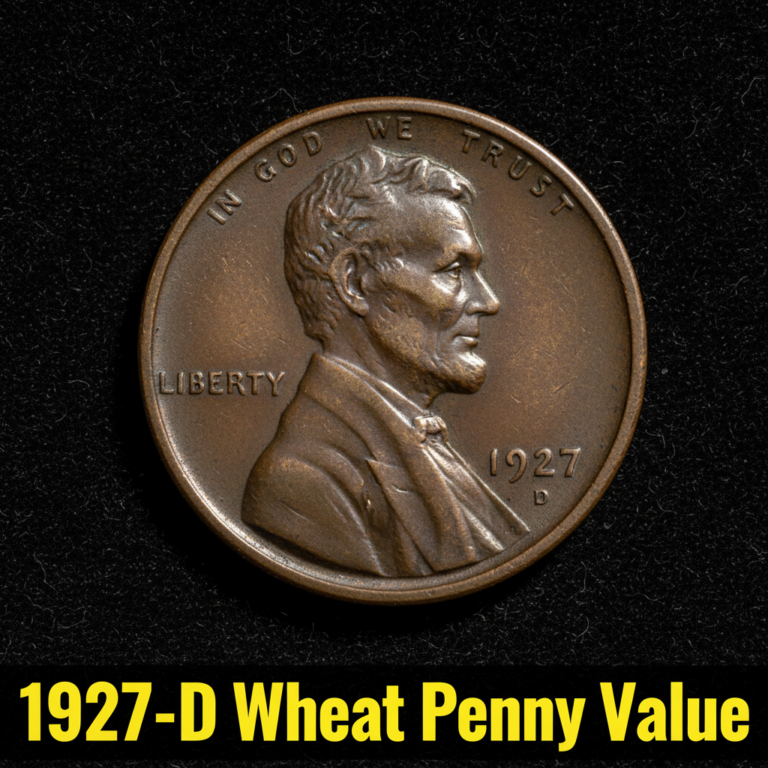
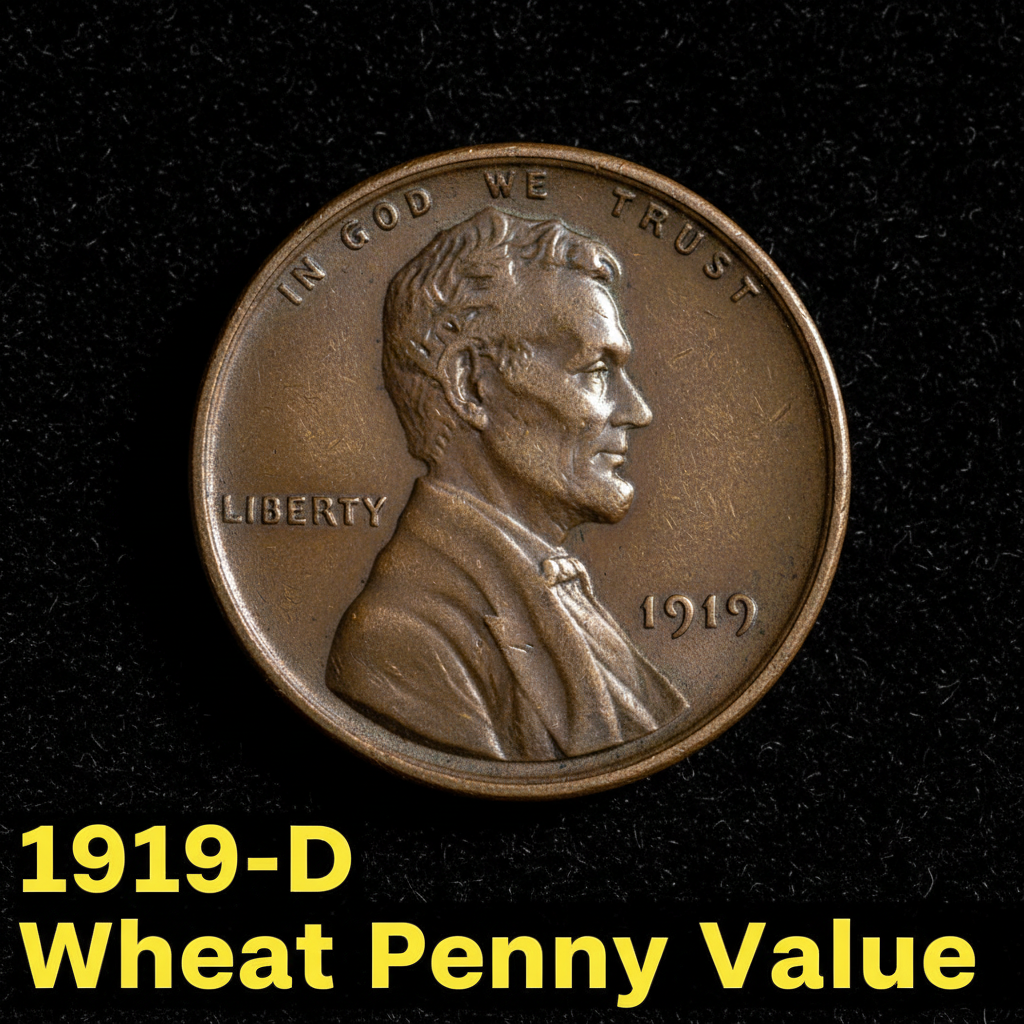
The “D” in 1919-D stands for Denver, meaning this coin was struck at the Denver Mint. During the early twentieth century, the United States Mint operated multiple facilities, and coins from different branches often carry different values today. The 1919-D had a mintage of around 57.1 million coins — not a rare coin by any means, but not as common as the Philadelphia issue either.
If you’re not sure which mint mark your coin carries, or if you can’t quite read the tiny letter below the date, a free coin identifier app can help you snap a photo and get an instant identification. Tools like CoinKnow make it easy to figure out exactly what you have before you start researching values.
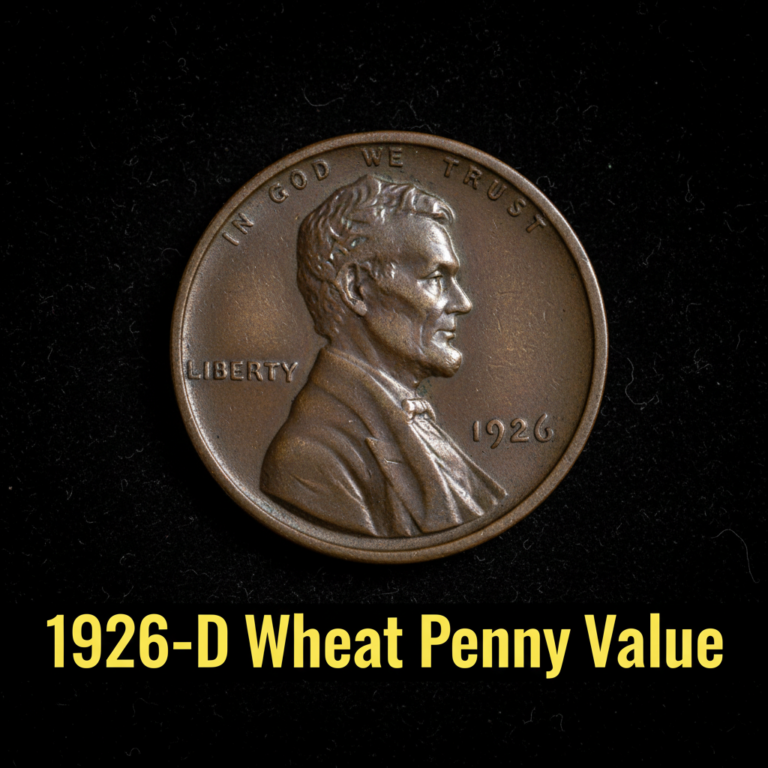
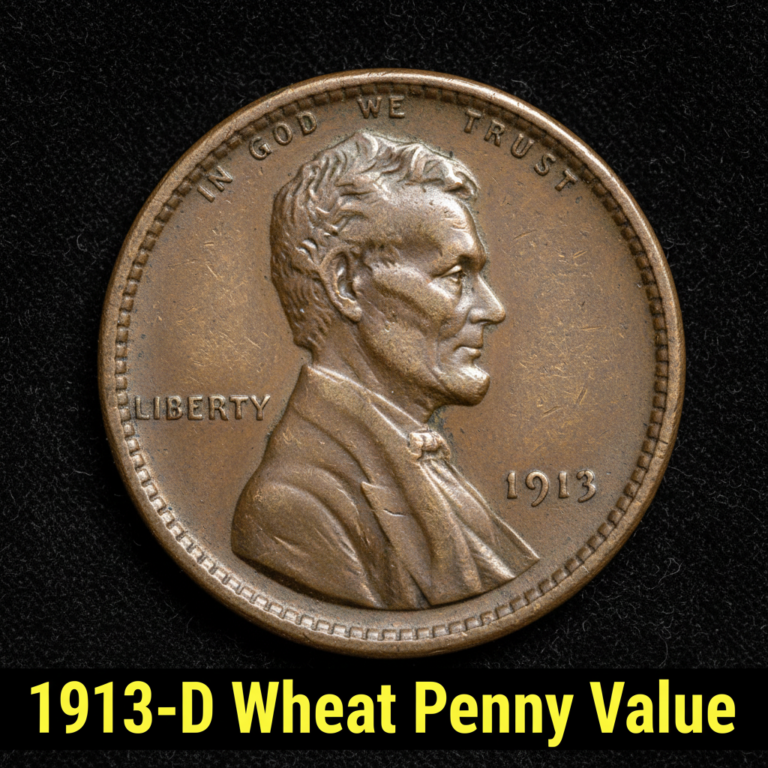
The 1919-D Wheat Penny features Victor David Brenner’s iconic portrait of Abraham Lincoln on the obverse and two wheat stalks flanking the words “ONE CENT” on the reverse. It’s made of 95% copper, which gives it that warm reddish tone when it’s in good shape.
How Much Is the 1919-D Wheat Penny Worth?
Value depends almost entirely on condition. A coin that’s been in circulation for decades will show heavy wear — flattened features, dull surfaces, and little detail on Lincoln’s hair or cheek. One that was saved early and stored properly may still show crisp details and even original mint luster.
Here’s a general value breakdown based on grade:
| Grade | Description | Estimated Value |
|---|---|---|
| Good (G-4) | Heavy wear, main features visible | $0.50 – $1.50 |
| Fine (F-12) | Moderate wear, some detail remains | $3 – $6 |
| Extremely Fine (EF-40) | Light wear on high points | $15 – $25 |
| MS-63 Red Brown | Uncirculated, slight imperfections | $50 – $75 |
| MS-65 Red | Gem uncirculated, full red luster | $100 – $200+ |
For a more detailed look at certified 1919-D Wheat Penny prices across mint state grades, you can compare recent auction results and population data to see where your coin might fall.
How to Grade Your 1919-D Wheat Penny at Home
You don’t need to be an expert to get a rough idea of your coin’s grade. Start by looking at the highest points of the design — Lincoln’s cheekbone, his jawline, and the detail in his hair above the ear. If those areas are worn smooth, you’re likely looking at a Good or Fine grade coin. If you can still see individual hair strands and the wheat stalks on the reverse have sharp, clear lines, you may have a coin in Extremely Fine or better condition.
Color matters too. Copper cents are graded as Red (RD), Red Brown (RB), or Brown (BN). A coin with full original red mint color is the most desirable and can command a significant premium over a brown example in the same numeric grade.
Using CoinKnow can take the guesswork out of this process. The app lets you photograph both sides of your coin and receive an estimated grade and value range instantly, which is especially helpful if you’re new to coin collecting.
Errors and Varieties That Can Increase the 1919-D Wheat Penny Value
While no major dramatic errors are widely documented for the 1919-D, it’s always worth examining your coin carefully for doubling on the date or lettering, off-center strikes, or die cracks. Even minor errors can multiply a coin’s value several times over among error coin collectors.
A reputable coin dealer or third-party grading service like PCGS or NGC can help you identify any errors before selling. For a comprehensive overview of 1919 penny values including error varieties and what buyers are actually paying, it helps to check multiple sources before making any decisions.
—
FAQ
Q: Is a 1919-D Wheat Penny rare?
A: It’s not considered a rare coin, but it’s not the most common either. Its value comes more from condition than scarcity. Higher-grade examples are harder to find and can be worth significant money.
Q: How do I know if my penny is from Denver or Philadelphia?
A: Look just below the date on the obverse. A small “D” means it was minted in Denver. No mint mark at all means Philadelphia. You can also use CoinKnow to help confirm what you’re looking at.
Q: Should I clean my 1919-D Wheat Penny before selling it?
A: Absolutely not. Cleaning a coin — even gently — can destroy the original surface and dramatically reduce its value. Collectors and dealers strongly prefer coins in their natural, unaltered state, even if they look a little dirty.