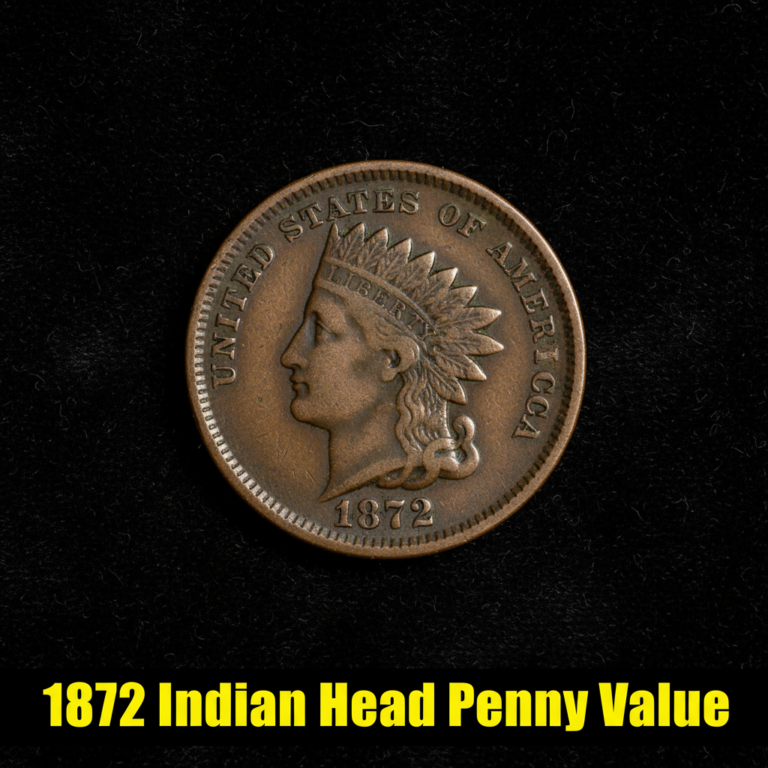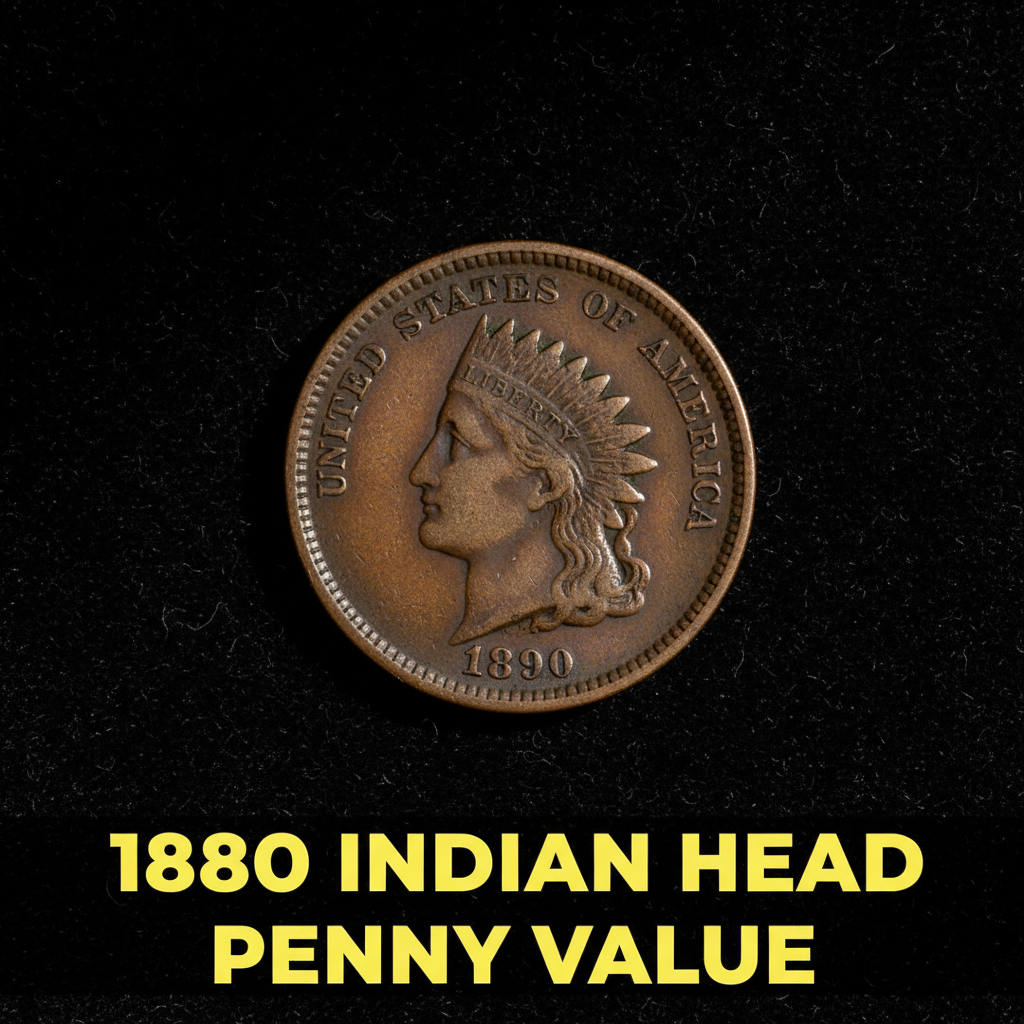
1890 Indian Head Penny Value What Is This Old Cent Really Worth
The 1890 Indian Head Penny is worth anywhere from $2 in heavily worn condition to over $100 or more in mint state, with some high-grade examples fetching even higher prices at auction. Whether you just found one in a jar of old coins or inherited it from a grandparent, you’ve landed on a treasure worth knowing about.
What Makes the 1890 Indian Head Penny Special
The Indian Head Penny series ran from 1859 to 1909, and the 1890 issue is one of the more commonly encountered dates — but “common” doesn’t mean worthless. Struck at the Philadelphia Mint with no mint mark, this coin features the iconic portrait of Lady Liberty wearing a Native American headdress, designed by James Barton Longacre. The reverse shows a wreath of oak and laurel surrounding the words “ONE CENT.”
If you’ve recently discovered one of these old cents and want to quickly identify it, a free coin identifier app can help you confirm the date, mint mark, and approximate grade before you dive deeper into its value. Once you know what you have, the real fun begins.
The 1890 Indian Head Penny had a mintage of over 57 million coins, which is why circulated examples are relatively affordable. However, uncirculated coins with original red or red-brown luster are genuinely scarce and can command strong premiums from collectors.
1890 Indian Head Penny Value by Grade
Coin value is almost entirely determined by condition, also known as grade. A coin graded Poor (P-1) or Fair (F-2) may show barely recognizable details, while a coin graded Mint State (MS-65 or higher) looks as fresh as the day it left the mint over 130 years ago.
Here’s a general value guide for the 1890 Indian Head Penny:
| Grade | Description | Estimated Value |
|---|---|---|
| Good (G-4) | Heavy wear, outline visible | $2 – $4 |
| Fine (F-12) | Moderate wear, some detail | $6 – $10 |
| Extremely Fine (EF-40) | Light wear on high points | $20 – $35 |
| About Uncirculated (AU-55) | Slight friction, nearly full luster | $45 – $65 |
| Mint State (MS-63) | Uncirculated, some marks | $75 – $110 |
| Mint State (MS-65 RD) | Full red, gem uncirculated | $300+ |
For the most current auction results and certified coin prices, you can review detailed 1890 Indian Head Penny MS Red price data to see what top-grade examples are actually selling for in today’s market.
How to Grade Your 1890 Indian Head Penny at Home
Grading coins at home isn’t an exact science, but you can get a solid ballpark by examining a few key areas. On the obverse (heads side), look at the feathers in Liberty’s headdress and the diamond pattern on the ribbon above her forehead. On a well-worn coin, these details fade and blend together. On a nicer coin, individual feather tips and the word “LIBERTY” on the headband will be crisp and clear.
The reverse wreath details and the beads around the coin’s edge (known as denticles) are also good indicators of overall wear. Under good lighting and a 5x magnifier, you’ll quickly see where your coin falls on the grading spectrum.
CoinKnow is a fantastic tool for collectors at all levels. The app lets you photograph your coin and instantly get an estimated grade and value — no expertise required. It’s especially useful when you’re sorting through a jar of old pennies and want quick answers without spending hours researching each one.
Errors, Varieties, and What Can Add Extra Value
Most 1890 Indian Head Pennies are straightforward, but some varieties and mint errors can significantly increase value. Doubled die errors, where design elements appear slightly doubled due to a misaligned hub during minting, are among the most sought-after finds. Repunched dates, off-center strikes, and dramatic die cracks can also add collector premiums ranging from a modest bump to several times the standard value.
Color designation matters too. Copper cents are graded not just by wear but by surface color: Red (RD), Red-Brown (RB), and Brown (BN). Full Red examples are the most valuable because they retain the original mint luster. A coin stored properly in a cool, dry environment has a much better chance of maintaining that desirable red surface.
If you enjoy collecting Indian Head Pennies as a series, you might also want to explore value information for the 1898 Indian Head Penny, which is another popular date in the series with a similar price range and collector following.
Should You Clean or Sell Your 1890 Indian Head Penny
Please don’t clean it. This is one of the most common mistakes everyday people make with old coins. Cleaning removes the original surface and patina, which dramatically reduces a coin’s collector value — sometimes by 50% or more. Even a coin that looks “dirty” should be left as-is. A natural brown patina on an 1890 Indian Head Penny is considered desirable, not a flaw.
As for selling, your options include local coin shops, online platforms like eBay or Heritage Auctions, or coin shows. For lower-grade examples, a coin shop is quick and convenient. For higher-grade or potentially error coins, getting a professional grade from PCGS or NGC before selling can help you maximize what you receive.
CoinKnow can also point you toward fair market values before you walk into any shop, so you know exactly what you’re working with. Being informed is always your best advantage.
—
Frequently Asked Questions
Q: Is a 1890 Indian Head Penny rare?
A: Not particularly. With over 57 million minted, circulated examples are common and affordable. However, high-grade uncirculated coins with full red color are genuinely scarce and collectible.
Q: How do I know if my 1890 Indian Head Penny is worth getting graded?
A: If your coin shows minimal wear, strong detail, and original copper luster, professional grading from PCGS or NGC could be worthwhile. Use CoinKnow to get a preliminary estimate before spending money on grading fees.
Q: Where is the mint mark on a 1890 Indian Head Penny?
A: There is no mint mark. All 1890 Indian Head Pennies were struck at the Philadelphia Mint, which did not use a mint mark on cents during this era.