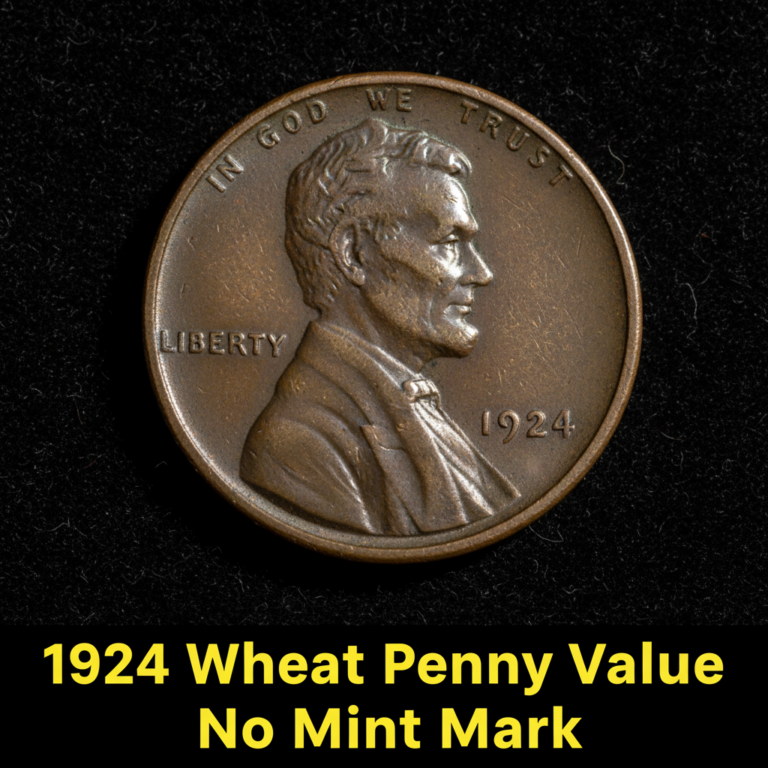
1929 Wheat Penny Value No Mint Mark What It’s Worth and Why Collectors Care
The 1929 Wheat Penny with no mint mark is worth anywhere from $0.15 in heavily worn condition to over $75 or more in high-grade mint state. Most people find these coins rattling around in old jars or inherited collections, and they’re more common than you might think — but condition makes all the difference.
If you’ve come across one of these old Lincoln cents and aren’t sure what you’re holding, you’re in the right place. A free coin identifier app can help you quickly figure out what you’ve got before you even dive into the details. Once you know the basics, you’ll be in a much better position to understand its true value.
What Is the 1929 Wheat Penny No Mint Mark?
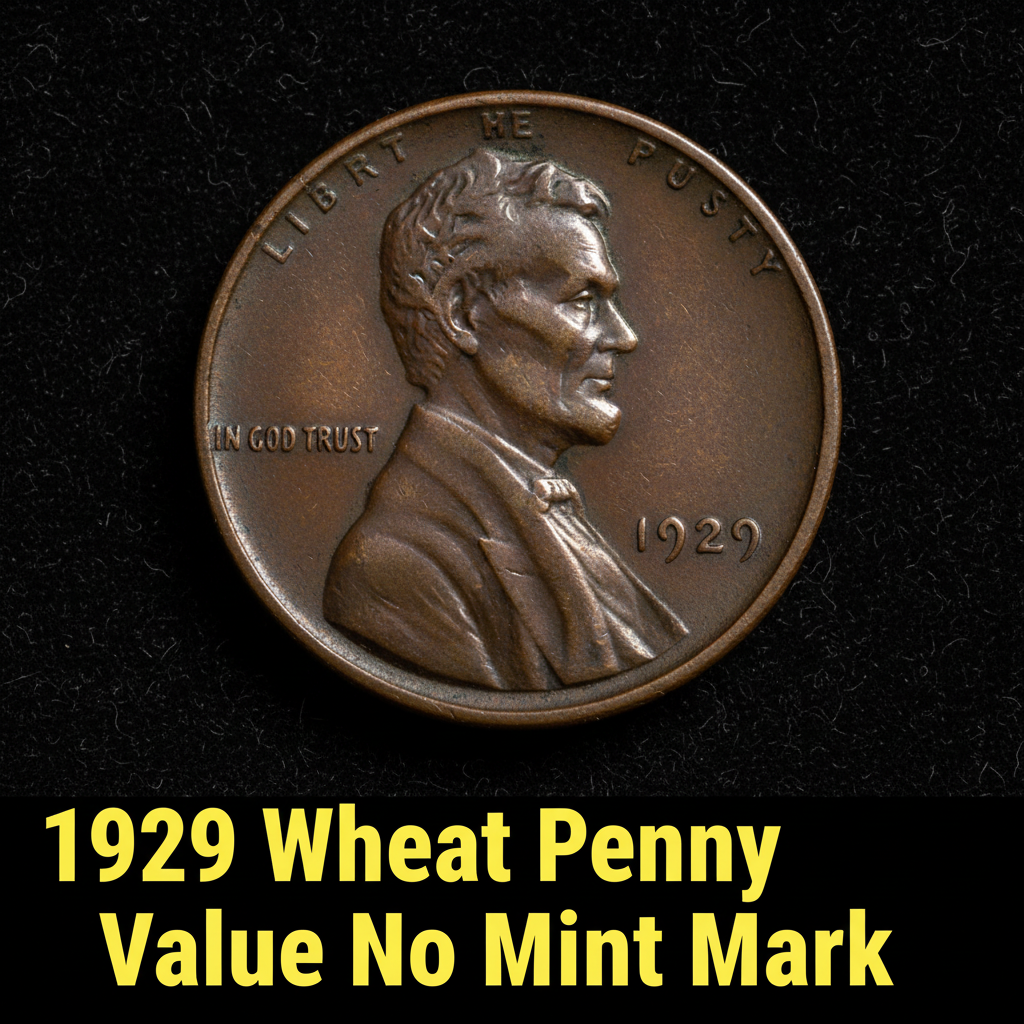
The 1929 Wheat Penny with no mint mark was struck at the Philadelphia Mint, which was the standard practice at the time — Philadelphia didn’t add a mint mark to its coins until much later. This coin is part of the Lincoln Wheat Cent series, designed by Victor David Brenner and first introduced in 1909.
In 1929, the Philadelphia Mint produced over 185 million of these cents, making it one of the higher-mintage years of the era. Because so many were made, they aren’t considered rare in circulated grades. However, finding one in truly uncirculated condition — with sharp details, original luster, and no wear — is another story. Those examples can fetch respectable premiums among collectors.
The coin features Abraham Lincoln on the obverse and two wheat stalks framing the words “ONE CENT” on the reverse — the design that gave these pennies their beloved nickname.
How Much Is the 1929 Wheat Penny Worth?
Value depends almost entirely on condition, also called “grade” in collector language. A coin that spent decades in circulation will show heavy wear on Lincoln’s cheek and hair, and those details directly affect price.
Here’s a general value table to help you understand what different grades mean for your coin:
| Grade / Condition | Description | Estimated Value |
|---|---|---|
| Good (G-4) | Heavy wear, date and lettering visible | $0.15 – $0.35 |
| Fine (F-12) | Moderate wear, major details clear | $0.50 – $1.25 |
| Extremely Fine (EF-40) | Light wear on high points | $3 – $6 |
| About Uncirculated (AU-55) | Slight wear, nearly full luster | $8 – $18 |
| Mint State Red (MS-65 RD) | Full original red luster, no wear | $60 – $100+ |
For the most up-to-date 1929 Wheat Penny price data across mint state grades, it’s worth checking a dedicated coin pricing resource that tracks recent auction results. Prices can shift as collector demand changes.
What Makes Some 1929 Pennies Worth More?
Color designation plays a huge role in mint state values. Coin graders assign one of three color labels: Red (RD), Red-Brown (RB), or Brown (BN). A 1929 Wheat Penny graded MS-65 Red will be worth significantly more than an identical coin graded MS-65 Brown, because original copper luster is highly prized.
CoinKnow is a popular app among collectors that helps identify these distinctions quickly. If you’re not sure whether your coin has original red luster or has toned to brown, CoinKnow can walk you through what to look for in photos and descriptions.
Eye appeal also matters. Coins with sharp strikes, clean fields, and no spots or cleaning marks will always outperform technically similar coins that look dull or damaged. Never clean your coin — even a light rub can drop its value significantly.
Where to Find Accurate 1929 Penny Values Today
Getting an accurate value for your 1929 Wheat Penny no mint mark means looking at real-world sales, not just fixed price lists. Auction results on platforms like Heritage or PCGS CoinFacts give you a live picture of what buyers are actually paying.
You can also find a detailed breakdown of 1929 penny value across all grades and mint marks to compare your coin against certified examples. This is especially helpful if you’re trying to decide whether to get your coin professionally graded.
Speaking of grading — if you believe your 1929 Wheat Penny is in uncirculated condition, submitting it to PCGS or NGC is worth considering. A certified grade can increase buyer confidence and, in turn, the sale price. CoinKnow includes a grading guide section that explains the submission process step by step, which is great if you’re new to the hobby.
—
FAQ
Q: Is a 1929 Wheat Penny with no mint mark rare?
A: Not particularly. Over 185 million were minted in Philadelphia that year, making it one of the more common dates in the wheat cent series. That said, high-grade examples in full red mint state condition are genuinely scarce and worth real money.
Q: Should I clean my 1929 Wheat Penny to make it look better?
A: Absolutely not. Cleaning a coin removes its natural surface and destroys collector value. Even a penny that looks dirty is better left untouched. Cleaned coins are flagged by grading services and sell for far less than original-surface examples.
Q: How do I know if my 1929 penny is uncirculated?
A: Look at Lincoln’s cheek and the high points of his hair under good lighting. If you see any flat, worn spots with a different texture than the rest of the coin, it has circulated. A truly uncirculated coin will have consistent luster across the entire surface. Apps like CoinKnow can help guide you through this evaluation with visual examples.