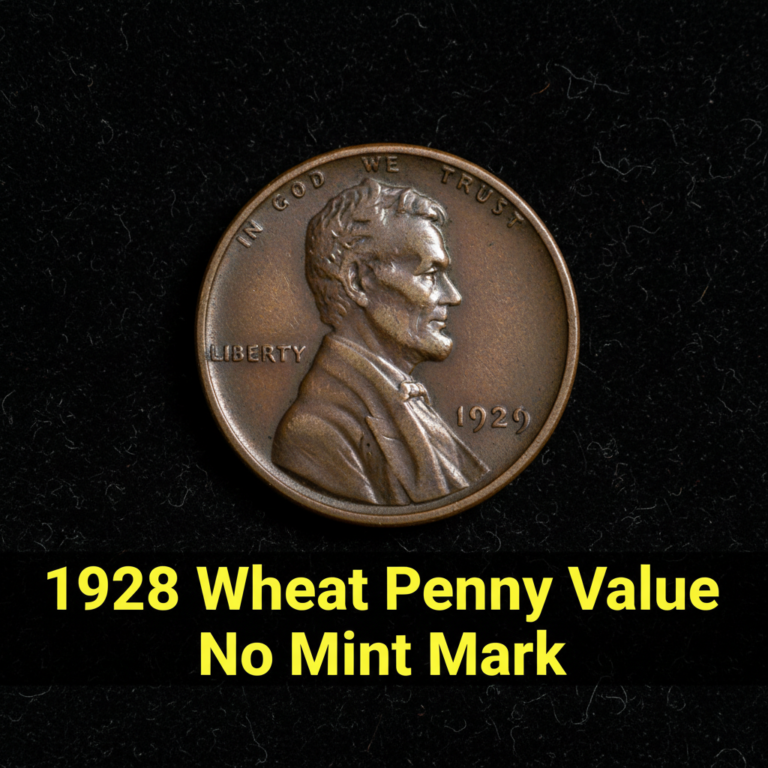
1930 Wheat Penny Value No Mint Mark What Is It Worth Today
The 1930 Wheat Penny with no mint mark is worth anywhere from $0.15 in heavily worn condition to over $75 or more in top mint state grades. Most circulated examples fall in the $0.25 to $3 range, making this an affordable but genuinely interesting coin to own.
If you just found one of these old pennies in a jar or inherited a coin collection, you’re in the right place. This guide will walk you through everything you need to know about the 1930 Philadelphia Wheat Penny — what affects its value, how to grade it at home, and whether yours might be worth more than you think. A quick way to get started is to use a free coin identifier app that can help you read the date, mint mark, and condition before you dig deeper into pricing.
What Is the 1930 Wheat Penny No Mint Mark?
The 1930 Wheat Penny with no mint mark was struck at the Philadelphia Mint — the main U.S. mint at the time. Philadelphia coins never carried a mint mark during this era, so the absence of a letter below the date is actually the identifying feature. In 1930, Philadelphia produced 157,415,000 Lincoln Wheat cents, which is a large mintage by historical standards. That’s one of the main reasons why circulated examples are relatively common and affordable today.
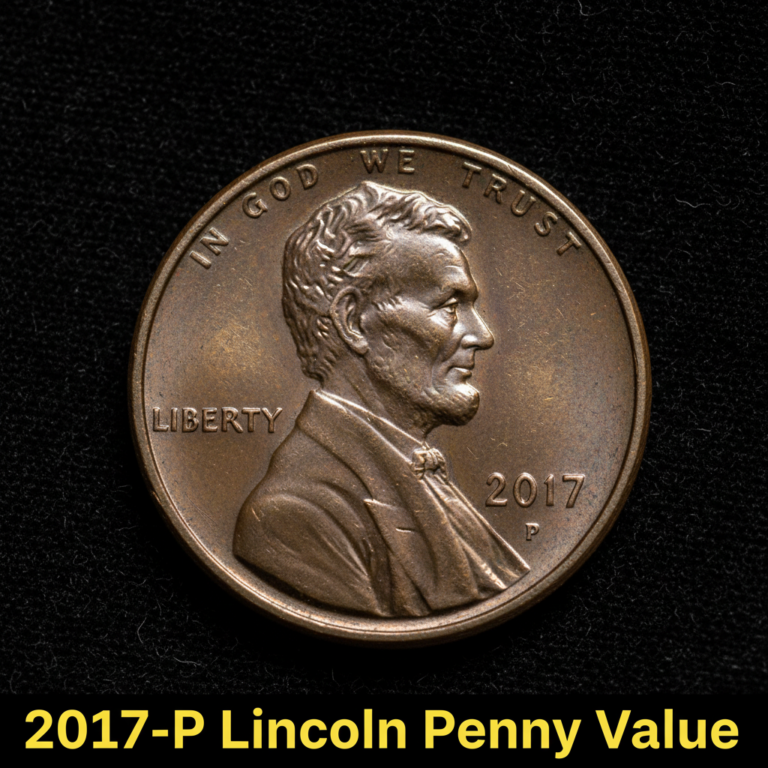
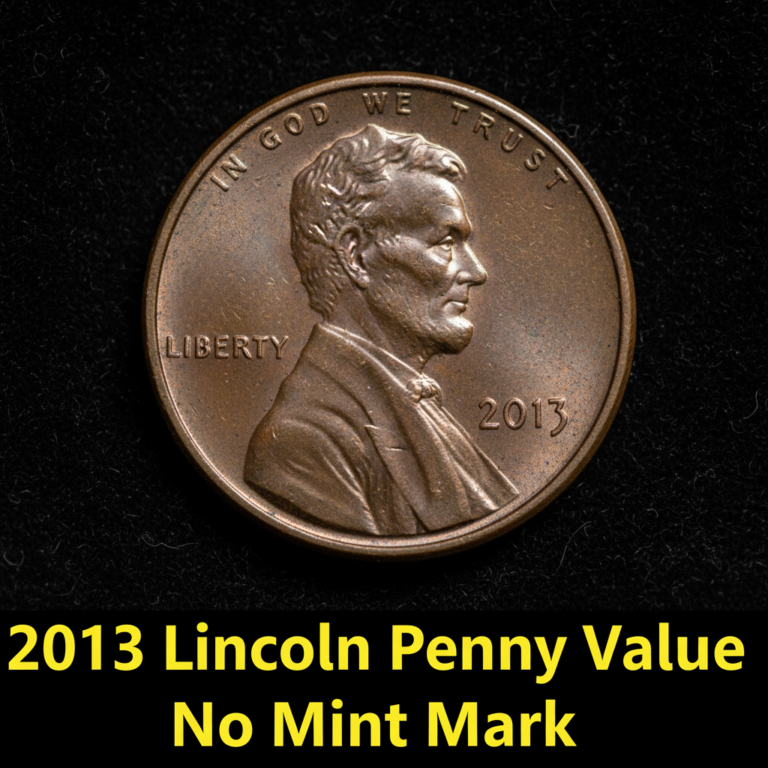
The coin features Victor David Brenner’s classic design: Abraham Lincoln’s portrait on the obverse and two stalks of wheat framing the words “ONE CENT” on the reverse. These coins were made from 95% copper, giving them that warm reddish-brown color when they’ve aged. Despite the large mintage, coins that survived in uncirculated or mint red condition are genuinely scarce, and those are the ones that command serious collector interest.
1930 Wheat Penny Value by Grade and Condition
Condition is everything when it comes to wheat penny values. A coin that sat in a piggy bank for decades looks very different from one that was carefully stored the day it was minted. Here’s a general breakdown of what the 1930 Philadelphia Wheat Penny is worth across different grades:
| Grade / Condition | Estimated Value |
|---|---|
| Good (G-4) | $0.15 – $0.25 |
| Very Fine (VF-20) | $0.75 – $2.00 |
| Extremely Fine (EF-40) | $2.00 – $4.00 |
| About Uncirculated (AU-55) | $5.00 – $10.00 |
| MS-63 (Brown) | $12 – $25 |
| MS-65 (Red) | $50 – $75+ |
For the most detailed and up-to-date pricing data, you can view the 1930 Wheat Penny MS Red auction prices and certified coin values to see what these coins are actually selling for right now.
What Makes Some 1930 Pennies Worth More
Not all 1930 Philadelphia Wheat Pennies are created equal. A few factors can push the value of your coin significantly higher.
Color designation matters a great deal in uncirculated examples. Grading services like PCGS and NGC categorize uncirculated Lincoln cents as Red (RD), Red-Brown (RB), or Brown (BN). Red coins have retained most of their original copper luster, and they are worth substantially more than brown ones. An MS-65 Red example can be worth three to five times what an MS-63 Brown coin brings.
Strike quality also plays a role. Coins with sharp, well-defined details — especially in Lincoln’s hair and the wheat stalks — are more desirable. Some 1930 cents show weak strikes due to worn dies, which reduces collector appeal.
Error coins are another category to watch for. Any 1930 Lincoln cent with a doubled die, off-center strike, or die cap error can be worth far more than a normal example. Examine your coin carefully under good lighting and a magnifying glass.
Using CoinKnow to scan your coin is a great first step — the app can help you quickly identify the variety and condition before you look up prices or visit a dealer.
How to Check Your 1930 Wheat Penny Value at Home
You don’t need to be an expert to get a reasonable idea of what your coin is worth. Here’s a simple process anyone can follow.
Start by looking at the date and checking below it for a mint mark. No letter means Philadelphia. A small “D” means Denver, and an “S” means San Francisco — both of which have different values.
Next, examine the overall condition. Is Lincoln’s portrait crisp and detailed, or is it flat and worn smooth? Check the lettering on both sides. Look at the rim — is it intact or damaged? The better the detail, the higher the grade.
Then check recent sales. You can find a comprehensive breakdown of the 1930 penny’s value across all mint marks and grades to compare your coin against established price benchmarks.
Finally, download CoinKnow on your phone. It’s one of the most convenient ways to scan, identify, and estimate the value of old coins right from your kitchen table — no coin show required.
Is the 1930 Wheat Penny a Good Find?
Honestly, yes — even if it’s worth just a dollar or two, a 1930 Wheat Penny is a piece of American history from the early years of the Great Depression. These coins circulated through tough times and touched countless lives. If yours happens to be in exceptional condition or carries an error, it could be worth considerably more. Either way, it’s worth taking a few minutes to check before spending it or tossing it aside.
—
FAQ
Q: How do I know if my 1930 penny is from Philadelphia?
A: Look just below the date on the obverse side of the coin. If there is no mint mark letter, it was minted in Philadelphia. Philadelphia did not place a mint mark on Lincoln cents during this era, so a blank space below the date confirms its origin.
Q: Is a 1930 Wheat Penny with no mint mark rare?
A: Not in circulated condition — over 157 million were minted. However, examples graded MS-65 Red or higher are genuinely scarce and command premium prices. CoinKnow can help you quickly assess whether your coin’s condition puts it in that rare category.
Q: Should I clean my 1930 Wheat Penny before selling it?
A: Absolutely not. Cleaning a coin — even gently — removes its natural surface and drastically reduces its collector value. A coin with original, untouched patina is always preferred by dealers and collectors over one that has been polished or washed.