1930-S Wheat Penny Value What It’s Worth and Why Collectors Want It
The 1930-S Wheat Penny is worth anywhere from $0.50 in heavily worn condition to over $100 or more in high-grade mint state. If you’ve found one of these old Lincoln cents in a jar, drawer, or inherited coin collection, you’re holding a piece of American history that’s more valuable than its face value suggests.
What Is the 1930-S Wheat Penny?
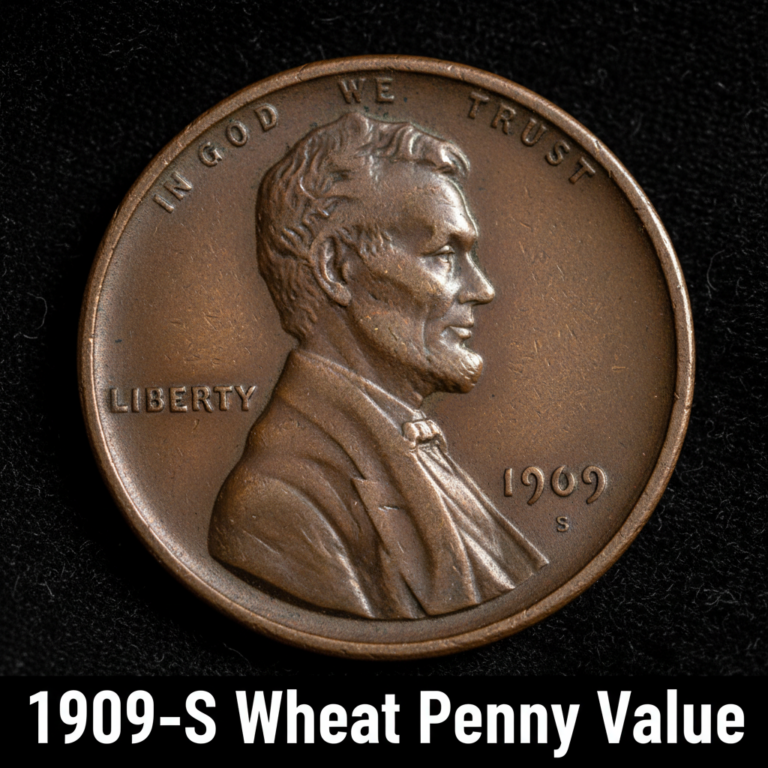
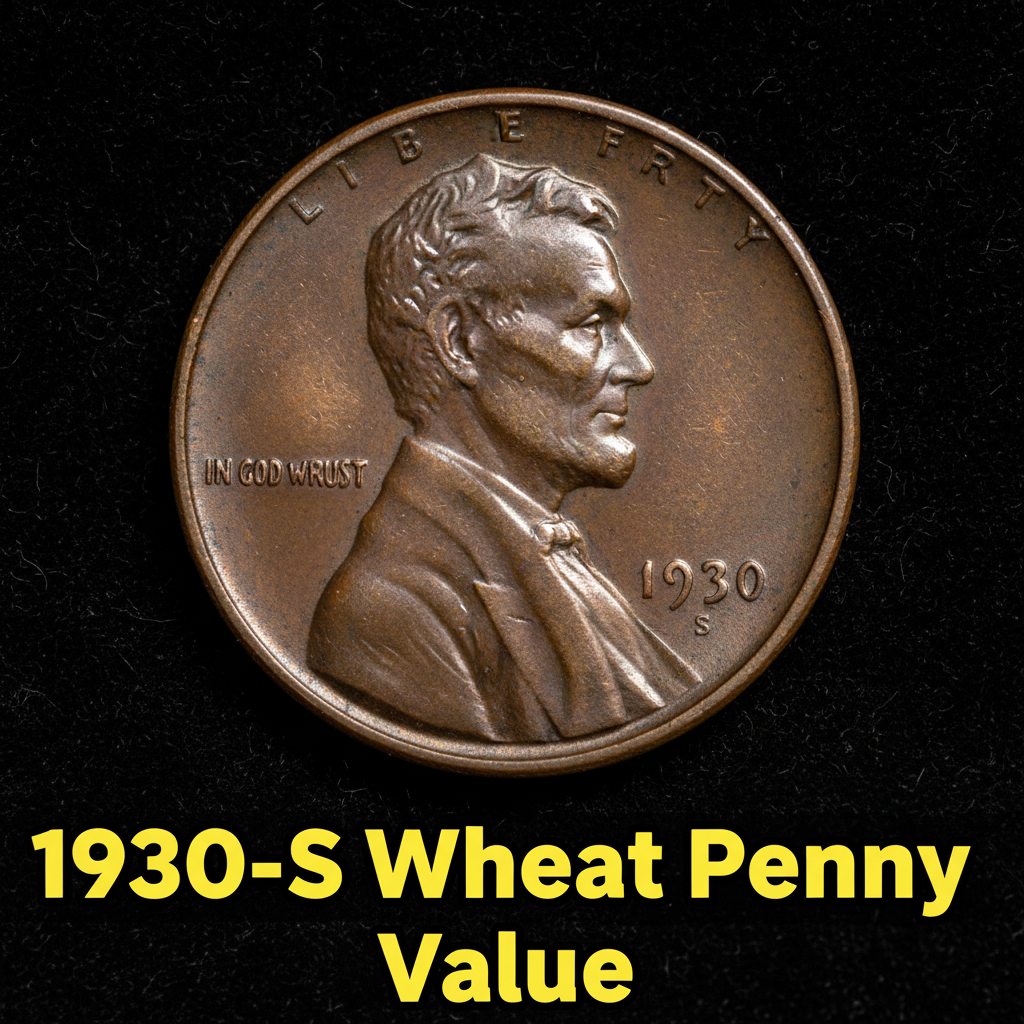
The 1930-S Wheat Penny is a Lincoln Wheat Cent minted at the San Francisco Mint in 1930. The small “S” mintmark on the obverse, just below the date, is your clue that it came from San Francisco rather than Philadelphia or Denver. These coins were struck during the early years of the Great Depression, a time when every cent truly counted. The San Francisco Mint produced 24,286,000 of these coins that year — a decent mintage, but not so large that well-preserved examples are common today. Most 1930-S pennies you’ll find in circulation have seen decades of wear, making high-grade specimens genuinely scarce and desirable to collectors. If you’ve stumbled across one and want to get a quick estimate before diving deep, using a free coin identifier app is a great first step to confirm what you have and start gauging its potential worth. Apps like CoinKnow can identify your coin in seconds just by taking a photo — no experience needed.
1930-S Wheat Penny Value by Grade
The value of a 1930-S Wheat Penny changes dramatically depending on its condition. Coin collectors use a grading scale from 1 (Poor) to 70 (Perfect Mint State) to measure a coin’s preservation. Here’s a general breakdown of what the market looks like:
| Grade | Condition Description | Estimated Value |
|---|---|---|
| Good (G-4) | Heavy wear, outline visible | $0.50 – $1.50 |
| Fine (F-12) | Moderate wear, some detail | $2 – $5 |
| Extremely Fine (EF-40) | Light wear on high points | $10 – $20 |
| About Uncirculated (AU-55) | Slight friction, mostly sharp | $25 – $40 |
| Mint State (MS-63) | Uncirculated, minor marks | $55 – $90 |
| Mint State Red (MS-65 RD) | Gem uncirculated, full red luster | $100 – $200+ |
For the most up-to-date figures, you can check current 1930-S Wheat Penny price data in MS Red condition to see where the market stands right now.
How to Grade Your 1930-S Penny at Home
You don’t need to be a professional numismatist to get a rough sense of your coin’s condition. Start by examining Lincoln’s portrait. In lower grades, his cheek and jaw will be flat and worn smooth. The wheat stalks on the reverse will also show significant flattening. In better grades, you’ll see sharp, crisp details and the letters of “LIBERTY” and the date will stand clearly. Look for any red-orange original mint luster still clinging to the surfaces — that’s the difference between a common circulated coin and a premium specimen. Scratches, cleaning marks, and discoloration can significantly reduce value, even on otherwise sharp coins. CoinKnow makes this process easier by letting you photograph your coin and compare it to graded examples in its database, giving you an instant reference point before you decide whether to get it professionally graded.
What Makes Some 1930-S Pennies More Valuable
Beyond basic wear, a few factors can push the value of your 1930-S Wheat Penny higher. Color designation matters a great deal — coins graded “Red” (RD) retain 95% or more of their original copper color and command the strongest premiums. “Red-Brown” (RB) and “Brown” (BN) coins trade for less. Strike quality also plays a role; some San Francisco issues from this era show weak strikes, so a sharply struck example is considered above average. Error coins — including off-center strikes or doubled dies — can be worth multiples of a normal example if authenticated. And of course, professional certification from PCGS or NGC adds buyer confidence and often boosts realized prices at auction. If you want a thorough breakdown of all these factors along with detailed 1930 penny value information across all grades and mint marks, that resource is well worth bookmarking.
Should You Get Your 1930-S Penny Graded?
If your coin looks uncirculated or shows bright original luster, professional grading might make financial sense. Grading fees typically run $20–$50 per coin depending on the service tier, so it’s worth it mainly if you believe your coin could grade MS-63 or higher. For circulated examples, the cost of grading usually outweighs the coin’s value. A good rule of thumb: if your coin is worth less than $30 in its current condition, skip the professional slab and simply store it properly in a 2×2 flip or coin capsule. Not sure where your coin stands? Snap a photo with CoinKnow — it can help you quickly assess whether your 1930-S Wheat Penny is a keeper worth slabbing or a well-loved circulated coin best enjoyed as a cool piece of Depression-era American history.
—
Frequently Asked Questions
Q: How can I tell if my penny is a 1930-S and not just a 1930?
A: Look just below the date on the front (obverse) of the coin. If you see a tiny “S” mintmark, it was minted in San Francisco. No mintmark means it came from Philadelphia, and a “D” means Denver. The San Francisco version typically trades at a small premium over the Philadelphia issue in most grades.
Q: Is a 1930-S Wheat Penny rare?
A: It’s not considered rare in circulated grades — over 24 million were made. However, finding one in true uncirculated condition with original red luster is genuinely challenging, and those examples do carry meaningful collector premiums. In the context of the full Lincoln Wheat Penny series, it’s a common-to-moderately scarce date depending on the grade.
Q: Can I clean my 1930-S penny to make it look better and more valuable?
A: Absolutely not. Cleaning a coin — even gently — leaves microscopic hairline scratches that trained collectors and graders can immediately detect. A cleaned coin is almost always worth significantly less than an original, unaltered example in the same condition. Leave it as-is, store it carefully, and let the natural patina tell its story.