1931-D Wheat Penny Value Guide How Much Is Yours Worth
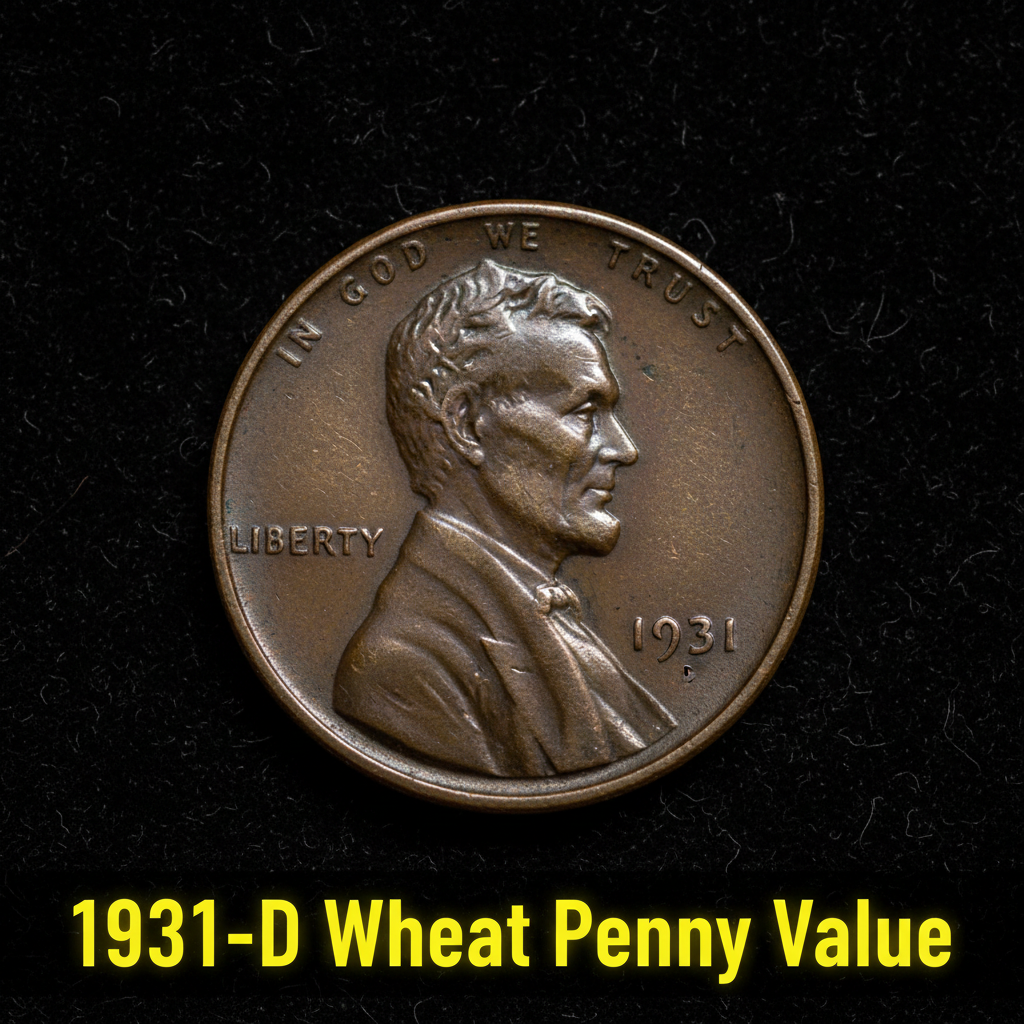
The 1931-D Wheat Penny is worth anywhere from $25 in heavily worn condition to well over $100 in lightly circulated grades — and in top mint state examples, it can fetch several hundred dollars or more. If you found one of these coins in an old jar or inherited collection, you may be sitting on a surprisingly valuable piece of American history.
What Makes the 1931-D Wheat Penny Special
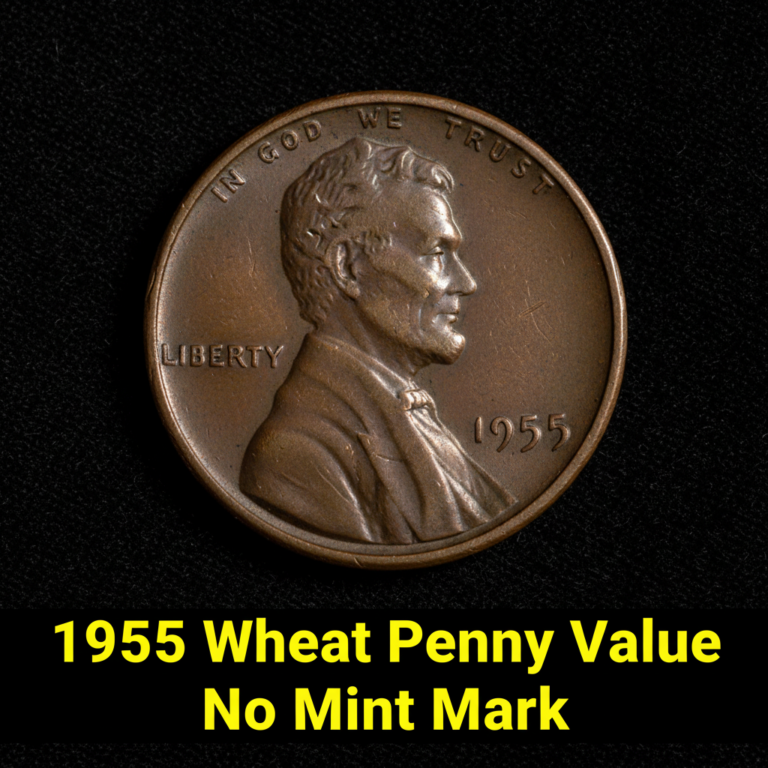
The 1931-D Wheat Penny was struck at the Denver Mint during one of the most difficult years of the Great Depression. With the economy in freefall, the U.S. Mint dramatically reduced coin production, and the Denver facility struck only about 4,480,000 Lincoln cents that year. That low mintage is the key reason this coin carries real value today.
Compare that to the Philadelphia Mint’s output or even some 1920s issues, and you’ll quickly see why collectors actively seek out the 1931-D. Fewer coins made means fewer survivors today, especially in higher grades. If you’re not sure which mint made your penny, look for the small “D” mintmark just below the date on the obverse side of the coin. No letter means it came from Philadelphia; a “D” confirms Denver.
To get a quick read on what you’re holding, many collectors use a free coin identifier app right on their smartphone — it’s a fast way to confirm the coin’s identity before digging into the value details.
1931-D Wheat Penny Value by Grade
Coin value is almost entirely tied to condition, or “grade” in collector lingo. A heavily worn coin where Lincoln’s hair details are nearly flat is called “Good” (G-4), while a coin that looks nearly new is graded “Mint State” (MS). Here’s a general breakdown of what the 1931-D Wheat Penny is worth at various grades:
| Grade | Description | Approximate Value |
|---|---|---|
| Good (G-4) | Heavy wear, flat details | $25 – $30 |
| Very Good (VG-8) | Moderate wear, some detail | $35 – $45 |
| Fine (F-12) | Even wear, readable lettering | $50 – $65 |
| Very Fine (VF-20) | Light wear on high points | $75 – $90 |
| Extremely Fine (EF-40) | Slight wear, sharp detail | $100 – $130 |
| About Uncirculated (AU-55) | Trace wear only | $140 – $175 |
| Mint State (MS-63) | No wear, some bag marks | $200 – $300 |
| Mint State (MS-65+) | Gem quality, full luster | $400 and up |
For the most up-to-date pricing by grade, you can browse detailed 1931-D Wheat Penny price data in MS-RD condition to see how recent auction results compare across grade levels.
How to Grade Your 1931-D Penny at Home
You don’t need to be a professional numismatist to get a rough sense of your coin’s grade. Start by holding it under a good light source and examining Lincoln’s portrait closely. Look at the hair strands above his ear and the cheekbone area — these are the high points that wear down first. If those details are completely flat, you’re likely looking at a Good or Very Good coin. If you can still see individual hair strands and sharp lettering, you might have a Fine or better example.
Avoid cleaning the coin. Many people instinctively want to polish an old penny, but cleaning destroys the natural surface patina and can dramatically reduce its value. Collectors and dealers can easily spot a cleaned coin, and it will grade lower as a result.
CoinKnow is a popular app that lets you photograph your coin and get an instant grade estimate along with current market values — it’s a handy tool if you’re new to coin collecting and want a second opinion before visiting a dealer.
Where to Sell a 1931-D Wheat Penny
Once you know roughly what your coin is worth, you have several options. Online marketplaces like eBay allow you to reach the widest possible audience of collectors. Heritage Auctions and Stack’s Bowers are better suited for higher-grade coins worth $200 or more. Local coin dealers offer convenience but may pay closer to wholesale prices.
For coins grading MS-63 or above, it’s worth paying for professional grading from PCGS or NGC. A certified grade adds credibility and often increases the sale price significantly. You can explore a full breakdown of 1931 penny values across all mint marks to compare how the 1931-D stacks up against its Philadelphia and San Francisco counterparts before deciding how to sell.
CoinKnow also includes a built-in dealer locator feature, so you can find reputable buyers near you without doing a lot of guesswork.
Tips for New Collectors
If this 1931-D Wheat Penny has sparked your interest in coin collecting, you’re in good company. Wheat Pennies are one of the most popular series for beginners because they’re widely available, affordable at the low end, and have clear targets worth pursuing. The 1931-D sits in a sweet spot — common enough that finding one is genuinely possible, but scarce enough to carry real collector value.
Store your coin in a non-PVC flip or a hard plastic holder to prevent further wear or chemical damage. Keep records of where you found it or how you acquired it, since provenance can add interest for future buyers. And if you’re serious about building a collection, CoinKnow offers full Lincoln Wheat Penny checklists so you can track which dates and mint marks you still need.
—
Frequently Asked Questions
Q: How do I know if my penny is a 1931-D and not just a 1931?
A: Look directly below the date on the front of the coin. If you see a small “D,” it was made at the Denver Mint. No mintmark means Philadelphia. The Denver version is worth significantly more due to its lower mintage of roughly 4.48 million coins.
Q: Is a 1931-D Wheat Penny rare?
A: It’s considered a semi-key date in the Lincoln Wheat Penny series. It’s not the rarest wheat penny ever made, but its low mintage makes it genuinely scarce compared to most other years, especially in higher circulated and uncirculated grades.
Q: Should I get my 1931-D Wheat Penny professionally graded?
A: If your coin appears to be in Extremely Fine or better condition, professional grading from PCGS or NGC is usually worth the cost. A certified coin sells more easily and often at a higher price. For heavily worn examples worth $30–$50, the grading fee may not be economical.