1938 Wheat Penny Value No Mint Mark What Is It Worth Today
The 1938 Wheat Penny with no mint mark is worth anywhere from $0.10 in heavily worn condition to over $10 in uncirculated grades — and top mint state examples can fetch $50 or more at auction. If you found one in a jar of old coins, you’ve got something worth a closer look.
If you’re trying to figure out exactly what you’re holding, a free coin identifier app can help you confirm the date, mint mark location, and grade before you decide whether to sell or keep it. Apps like CoinKnow are especially handy for beginners — just snap a photo and get an instant estimate based on real market data.
What Is the 1938 Wheat Penny No Mint Mark?
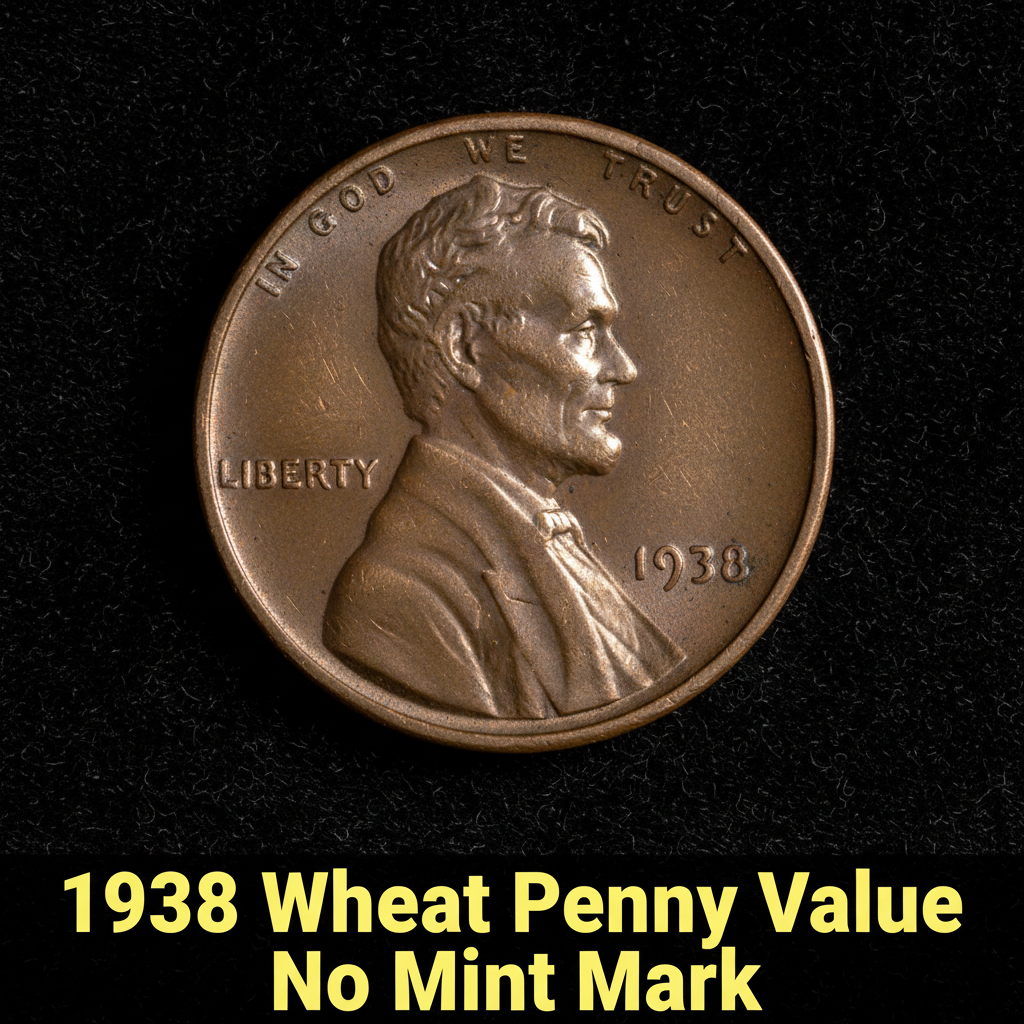
The 1938 Lincoln Wheat Penny with no mint mark was struck at the Philadelphia Mint, which was standard practice at the time — Philadelphia never added a mint mark to its cents. That year, the Philadelphia facility produced over 156 million Lincoln cents, making it one of the more common dates in the Wheat Penny series. Because so many were made, circulated examples aren’t considered rare. However, coins that survived in high grades — especially those with sharp luster and no wear — can still command respectable prices from collectors. The design, created by Victor David Brenner, features Abraham Lincoln on the obverse and two wheat stalks on the reverse, a classic look that was used from 1909 to 1958.
1938 Wheat Penny No Mint Mark Value by Grade
Coin value is heavily tied to condition. A worn, heavily circulated coin might only be worth a few cents above face value, while a pristine uncirculated example is a different story entirely. Here’s a quick breakdown of typical market values:
| Grade | Condition Description | Estimated Value |
|---|---|---|
| Good (G-4) | Heavy wear, design visible | $0.10 – $0.25 |
| Fine (F-12) | Moderate wear, clear lettering | $0.50 – $1.00 |
| Extremely Fine (EF-40) | Light wear on high points | $2.00 – $4.00 |
| Uncirculated (MS-63) | No wear, some bag marks | $8.00 – $15.00 |
| Gem Uncirculated (MS-65+) | Full luster, sharp strike | $30.00 – $75.00+ |
For the most current auction results and certified coin prices, you can check out detailed 1938 Wheat Penny MS Red price data across multiple grade levels to see where the market currently stands.
What Makes Some 1938 Pennies Worth More?
Color designation plays a huge role in value for Lincoln cents. Copper coins are graded not just on wear but on how much of their original red color remains. Coins are classified as Red (RD), Red-Brown (RB), or Brown (BN). A full Red example — meaning it has retained 95% or more of its original copper luster — is worth significantly more than a Brown coin of the same grade. A 1938 Wheat Penny graded MS-65 Red can be worth two to three times as much as the same coin in MS-65 Brown. Strike quality also matters. Some Philadelphia issues show weakness in certain design areas, so a sharply struck coin stands apart. If your coin looks bright and orange with no dullness, it might be worth getting it professionally graded by PCGS or NGC.
How to Check Your 1938 Penny’s Value at Home
You don’t need to be an expert to get a rough idea of what your coin is worth. Start by examining it under good lighting. Look at Lincoln’s cheekbones and the wheat stalks on the reverse — if the high points are smooth and flat, the coin has seen circulation. If you can still see fine details and the surface has a slight shine, you may have an uncirculated example. For a full breakdown of what your specific coin might be worth today, this comprehensive 1938 penny value guide covers all mint marks and grades with current pricing. You can also use CoinKnow to scan your coin and get an instant grade estimate based on your photo — it’s free, fast, and designed for everyday collectors who just want a straight answer without the jargon.
Should You Clean or Sell Your 1938 Wheat Penny?
One of the most common mistakes new collectors make is cleaning their old coins. Even gentle polishing destroys the original surface and dramatically lowers value. A naturally toned, original-surface coin — even if it looks a little dark — is almost always worth more than one that’s been cleaned. If you think you have a high-grade example, consider having it slabbed (professionally graded and encapsulated) before selling. For everyday circulated coins, you can sell them at coin shows, on eBay, or through local coin dealers. CoinKnow also gives you a market comparison so you know whether an offer you receive is fair before you accept it.
—
Frequently Asked Questions
Q: How do I know if my 1938 penny has a mint mark?
A: Look just below the date on the obverse side of the coin. If you see a small “D,” it was made in Denver. If you see an “S,” it came from San Francisco. No letter at all means Philadelphia — that’s the no mint mark version.
Q: Is a 1938 Wheat Penny with no mint mark rare?
A: Not particularly. With over 156 million struck, it’s one of the more common Wheat Penny dates. That said, high-grade examples with full red color are genuinely scarce and can still be worth significant money to collectors.
Q: What’s the most valuable version of the 1938 penny?
A: The no mint mark Philadelphia issue in MS-66 Red or higher grades tends to bring the strongest prices. Coins certified by PCGS or NGC in top condition have sold for over $100 at major auctions.