1938-D Wheat Penny Value and What It Could Be Worth Today
The 1938-D Wheat Penny is worth anywhere from $0.15 in heavily worn condition to over $20 or more in uncirculated mint state — and certain high-grade examples have sold for significantly more. If you just found one in an old jar or coin roll, you’re in the right place to find out exactly what you’ve got.
The 1938-D Wheat Penny is one of those classic Lincoln cents that collectors and everyday folks alike keep a close eye on. It’s not the rarest coin in the world, but it’s old enough and interesting enough to have real value — especially in nicer condition. If you’re not sure what you’re holding, a free coin identifier app can help you confirm the coin’s date and mint mark before you dig into its value. Just flip the coin over and look for that small “D” mintmark under the date — that’s your sign it was made at the Denver Mint. Once you’ve confirmed what you have, it’s time to figure out what it’s really worth.
What Makes the 1938-D Wheat Penny Special
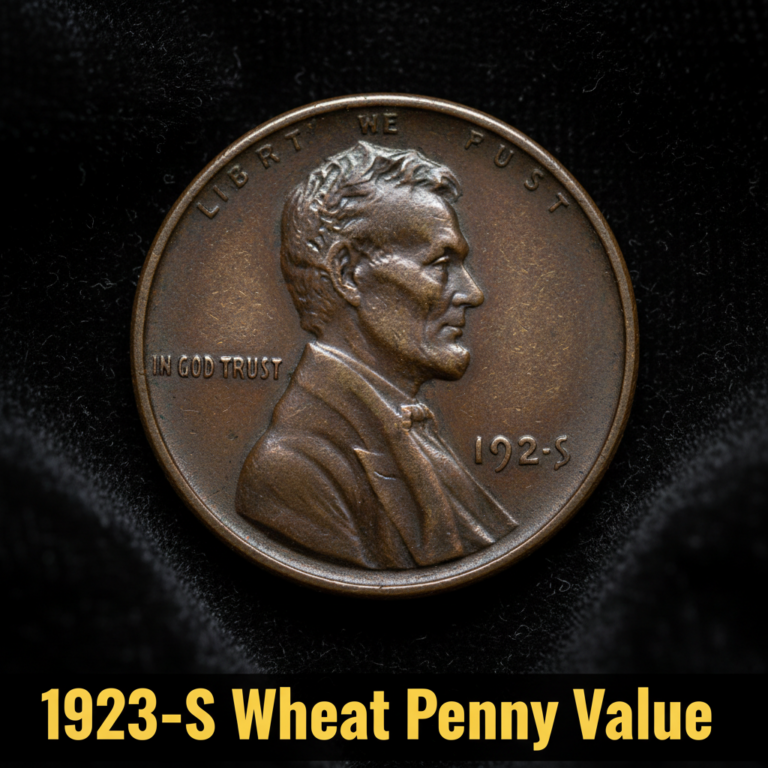
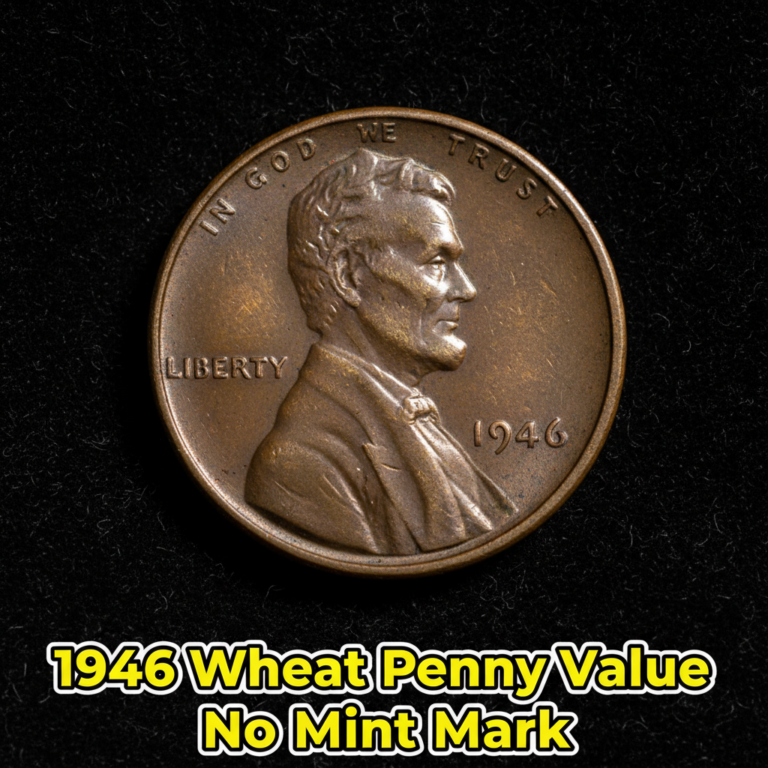
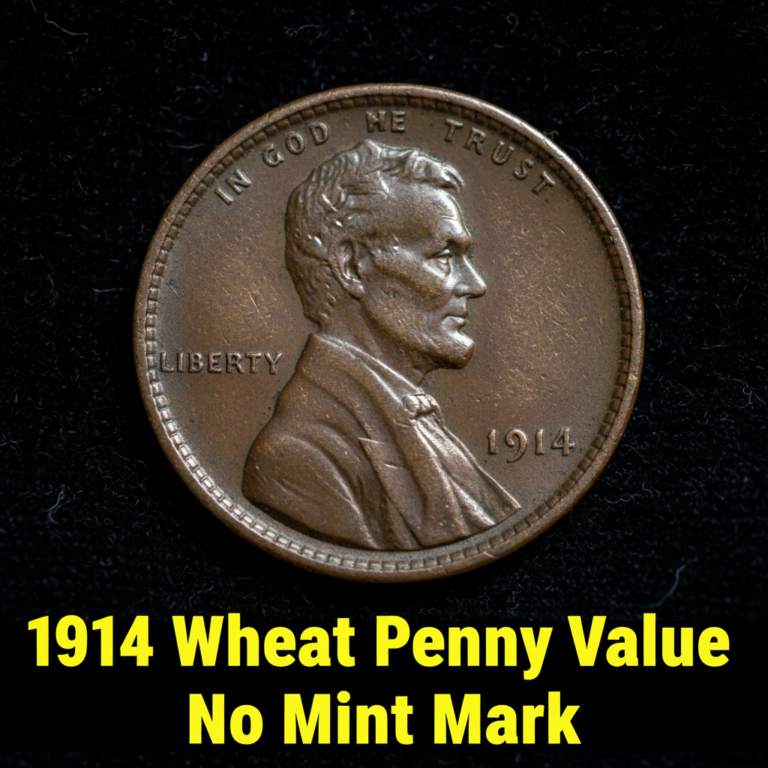
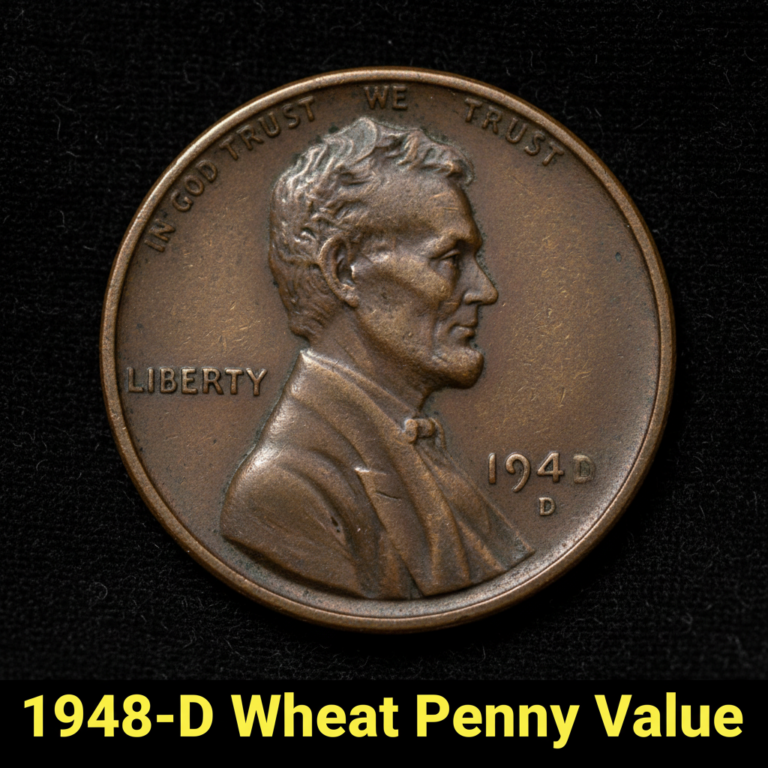
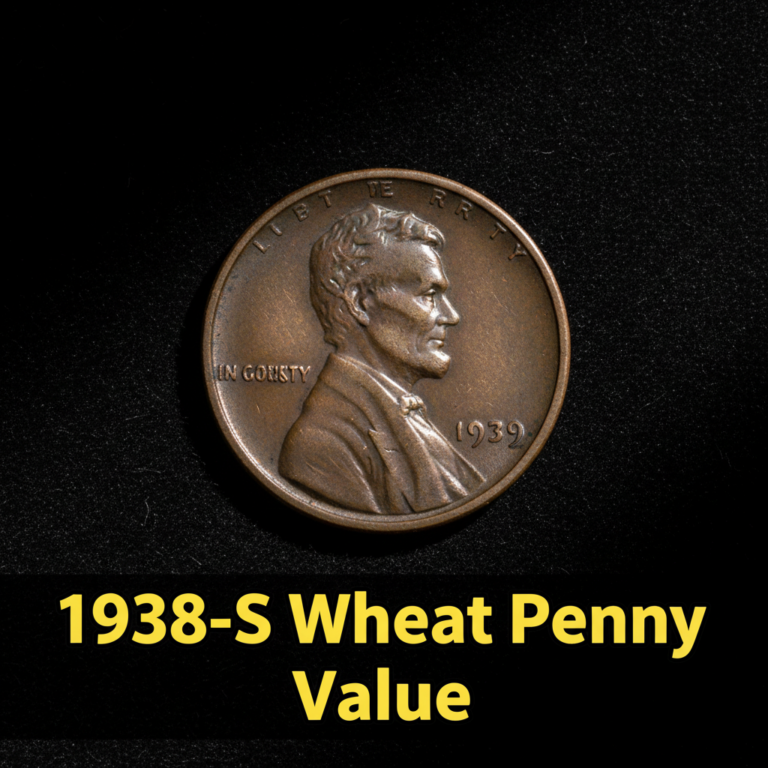
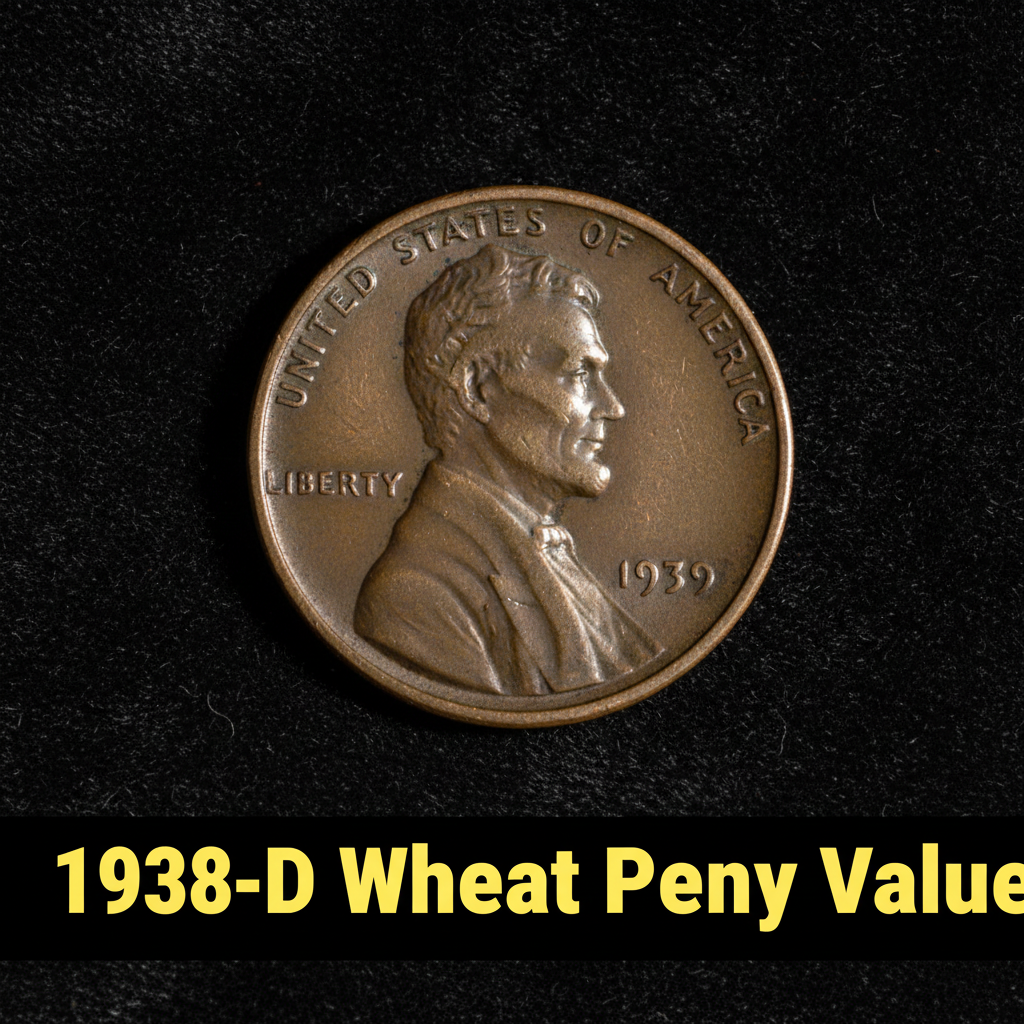
The 1938-D Lincoln Wheat Penny was struck at the Denver Mint during a time when the U.S. economy was still climbing out of the Great Depression. The Denver Mint produced about 20.01 million of these coins that year — a decent mintage, but low enough that well-preserved examples are genuinely hard to come by today. Most of the ones that survived went through decades of circulation, leaving them worn down and less valuable. But if you’re lucky enough to have one with sharp details, original luster, and minimal wear, you could be sitting on a coin that serious collectors want. The obverse features the portrait of Abraham Lincoln designed by Victor David Brenner, while the reverse shows two wheat stalks framing the words “ONE CENT.” It’s a simple, iconic design that has endured for over a century.
1938-D Wheat Penny Value by Grade
The value of your 1938-D cent depends almost entirely on its condition, which coin experts call “grade.” A heavily circulated coin with smooth, worn features is worth very little — maybe a few cents to a quarter. But as the grade improves, the value jumps quickly. Here’s a general breakdown of what you can expect:
| Grade / Condition | Estimated Value |
|---|---|
| Good (G-4) | $0.15 – $0.35 |
| Fine (F-12) | $0.50 – $1.00 |
| Extremely Fine (EF-40) | $2.00 – $4.00 |
| About Uncirculated (AU-50) | $4.00 – $8.00 |
| Mint State (MS-63) | $10.00 – $20.00 |
| Mint State Red (MS-65 RD) | $25.00 – $60.00+ |
For the most up-to-date pricing on certified examples, you can check the 1938-D Wheat Penny MS Red price data to see what top-grade coins are actually selling for in today’s market.
How to Check the Condition of Your Coin
You don’t need to be a professional grader to get a rough idea of your coin’s condition. Start by looking at Lincoln’s cheekbone and the high points of his hair — those are the first places to show wear. If those details are smooth and flat, the coin is probably in lower grades. If you can see sharp, distinct lines in the hair and the wheat stalks on the back are crisp and complete, you might have a nicer example. Color matters too: a coin with original reddish-brown or full red color is more desirable than one that’s turned dark or gunky over time. Never clean your coin — even gentle cleaning can seriously reduce its value. CoinKnow is a great tool for checking your coin’s details quickly, helping you compare your coin’s appearance to grade photos before you decide whether it’s worth getting professionally certified.
Where to Sell or Get Your 1938-D Penny Appraised
If you think you have a nicer example, there are several good options for getting a fair price. Online marketplaces like eBay are the most common route, and you can search completed sales to see what similar coins actually sold for — not just the asking price. Coin shows and local coin dealers are also solid options, especially if you want a quick, in-person appraisal. For coins that appear to be in mint state, it may be worth submitting to a grading service like PCGS or NGC, since a certified grade can dramatically increase buyer confidence and sale price. You can also explore the full 1938 penny value breakdown by mint mark and condition to understand how your Denver coin compares to the Philadelphia and San Francisco issues. And if you’re building a collection or frequently identifying old coins, CoinKnow offers a fast, reliable way to look up values and compare your finds without digging through multiple sources.
Is the 1938-D Wheat Penny Worth Keeping?
Honestly? Yes — at least for now. Even a worn example is a piece of American history from a genuinely difficult era, and nice examples have real collector appeal. If you find one in a coin roll or a relative’s old collection, take a few minutes to assess its condition before spending it or tossing it aside. A mint-state example with original red color could fetch $30, $50, or more from the right buyer. And with tools like CoinKnow making it easier than ever to research and track your coins, there’s no reason not to take a closer look at what you’ve got.
—
Frequently Asked Questions
Q: How much is a 1938-D Wheat Penny worth in average circulated condition?
A: Most 1938-D pennies found in circulation are worth between $0.15 and $2.00 depending on how worn they are. A coin in Fine condition typically sells for around $0.50 to $1.00.
Q: What does the “D” mint mark on a 1938 penny mean?
A: The “D” stands for Denver, meaning the coin was struck at the Denver Mint in Colorado. It appears as a small letter just below the date on the obverse side of the coin.
Q: Should I clean my 1938-D Wheat Penny before selling it?
A: No — never clean an old coin. Even light cleaning with water or a cloth can leave microscopic scratches that lower the coin’s grade and reduce its value significantly. Collectors and dealers strongly prefer coins in their original, unaltered state.