1947 Wheat Penny Value No Mint Mark What Is It Worth Today
The 1947 Wheat Penny with no mint mark is worth anywhere from $0.10 in heavily worn condition to $50 or more in high-grade mint state. Most examples found in everyday change or old jars will fall somewhere in between, making this a fun coin to research and potentially sell.
If you stumbled across one of these old cents in a coin jar or inherited collection, you’re in the right place. A free coin identifier app can help you quickly figure out what you’re holding, but this guide will walk you through everything you need to know about the 1947 Wheat Penny with no mint mark — from its history to its real-world value in today’s market.
What Is a 1947 Wheat Penny With No Mint Mark?
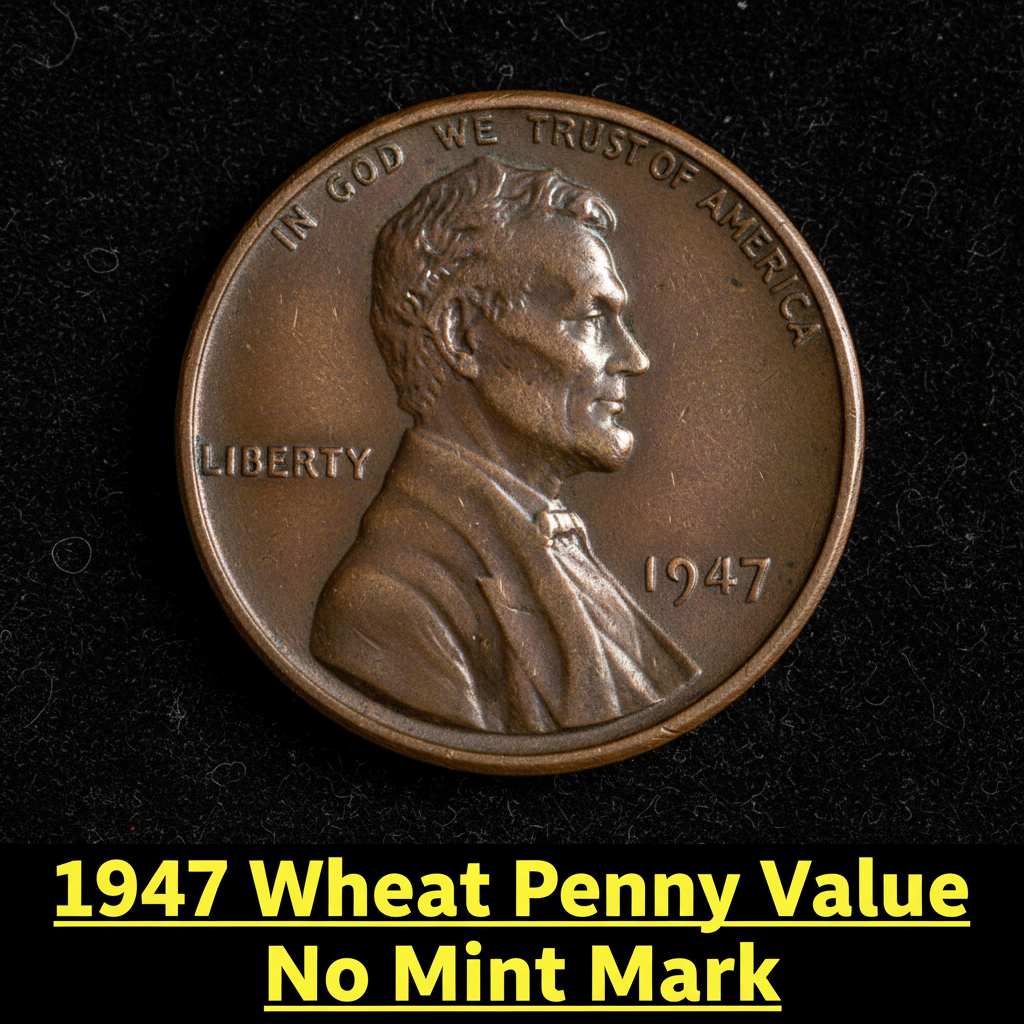
The 1947 Lincoln Wheat Penny with no mint mark was produced at the Philadelphia Mint. During this era, Philadelphia did not place a mint mark on its coins, which is why the absence of a letter doesn’t mean anything is missing — it’s simply the Philadelphia version. In 1947, Philadelphia struck over 190 million Lincoln cents, making this one of the more common issues from the Wheat Penny series that ran from 1909 to 1958.
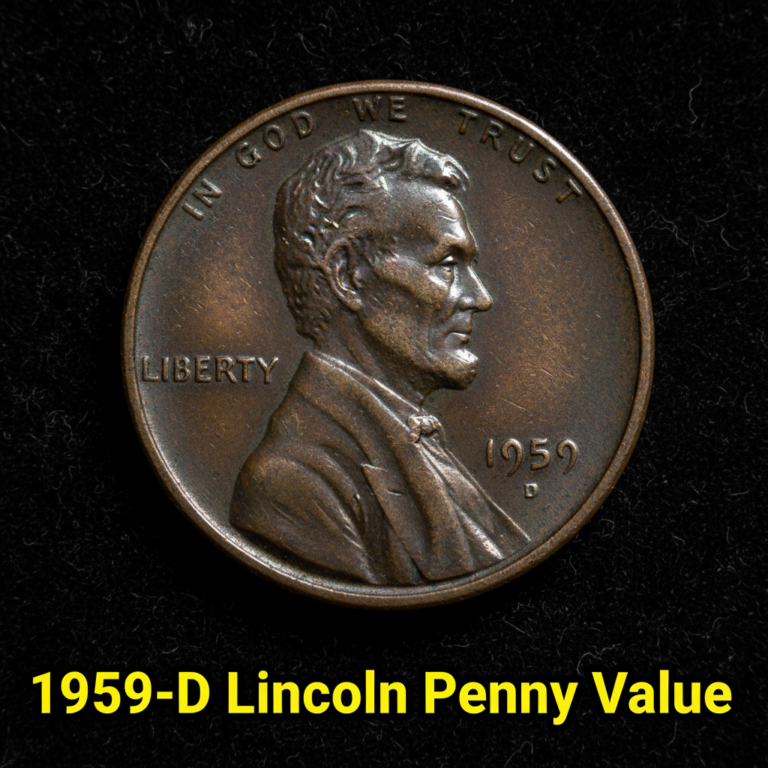
The coin features Victor David Brenner’s iconic portrait of Abraham Lincoln on the obverse, with two wheat stalks framing the words “ONE CENT” on the reverse. Despite the large mintage, condition plays a massive role in value. A well-preserved example with strong luster and sharp details is significantly more valuable than a worn, circulated coin. Collectors prize high-grade examples, and even a small difference in grade — say MS63 versus MS65 — can mean a dramatic jump in price.
1947 Wheat Penny Value by Grade
Here’s a breakdown of what you can expect to get for a 1947 no mint mark Wheat Penny depending on its condition:
| Grade / Condition | Estimated Value |
|---|---|
| Good (G-4) | $0.10 – $0.25 |
| Fine (F-12) | $0.25 – $0.50 |
| Extremely Fine (EF-40) | $1 – $3 |
| About Uncirculated (AU-55) | $3 – $6 |
| Mint State MS-63 (Red-Brown) | $8 – $15 |
| Mint State MS-65 (Full Red) | $20 – $50+ |
For the most up-to-date auction results and dealer pricing, you can check out the latest 1947 Wheat Penny MS Red sale prices and grading data, which tracks real transactions across major platforms.
How to Tell What Condition Your 1947 Penny Is In
Grading coins takes practice, but here are some simple things to look for. A coin in Good condition will have Lincoln’s portrait visible but flat and worn smooth — the wheat stalks on the back may be faded. Fine examples show more detail but still show clear signs of wear on the high points of Lincoln’s cheek and hair. Extremely Fine coins retain most of their original design sharpness with only light wear on the very tops of the design.
Uncirculated coins — meaning they were never spent — show no wear at all. These coins may still have their original copper luster, which ranges from red-brown to full red. A fully red, lustrous 1947 Wheat Penny with no mint mark in gem condition is the one collectors actually compete for. If yours looks bright and shiny with no dull spots or scratches, it could be worth having professionally graded by PCGS or NGC.
CoinKnow is a great tool if you want a quick and reliable starting point for grading your coin. The app uses image recognition to help identify your coin and gives you an estimated value range based on its condition — perfect for beginners who don’t yet have an eye for grading.
Errors and Special Varieties Worth More
While the 1947 Philadelphia Wheat Penny is generally common, certain error coins can be worth significantly more. Doubled die errors — where the design appears slightly doubled due to a misalignment during the minting process — are the most sought after. Look closely at Lincoln’s date, lettering, or facial features under a magnifying glass. If something looks duplicated or ghosted, you may have a more valuable variety on your hands.
Off-center strikes, where the design is noticeably shifted off-center, are another type of error that can fetch anywhere from $10 to $100+ depending on how dramatic the shift is. Die cap errors and broadstrikes are rarer but possible. These aren’t common finds, but they do show up from time to time in old collections. If you think you might have an error coin, CoinKnow can help you compare your coin to known varieties before you decide whether to send it in for professional grading.
For a deeper look at how much your 1947 penny is worth across all mint marks and grades, including Philadelphia, Denver, and San Francisco issues, that resource breaks down the full picture nicely.
FAQ
Q: Is a 1947 Wheat Penny with no mint mark rare?
A: No, it is not considered rare. The Philadelphia Mint produced over 190 million of these coins in 1947. However, high-grade examples — especially those with full red luster in MS-65 or better — are harder to find and command strong collector premiums.
Q: Where can I find out exactly what my 1947 penny is worth?
A: Start by assessing the coin’s condition using the grade descriptions in this guide. Then check recent auction results for a real-world benchmark. Apps like CoinKnow can also help you get a quick value estimate right from your phone by scanning the coin with your camera.
Q: Should I clean my 1947 Wheat Penny before selling it?
A: Absolutely not. Cleaning a coin — even gently — can strip its natural surface and drastically reduce its value. Collectors and dealers strongly prefer original, uncleaned coins, even if they look a little dull or dirty. Leave it as-is and let a professional evaluate it in its natural state.