1949-D Wheat Penny Value Guide How Much Is Your Denver Mint Cent Worth
The 1949-D Wheat Penny is worth anywhere from $0.10 in heavily worn condition to over $15 in uncirculated grades — and high-grade examples can push well past $50. If you found one in a jar of old coins or a relative’s collection, you may be holding onto something worth more than you think.
—
What Makes the 1949-D Wheat Penny Special
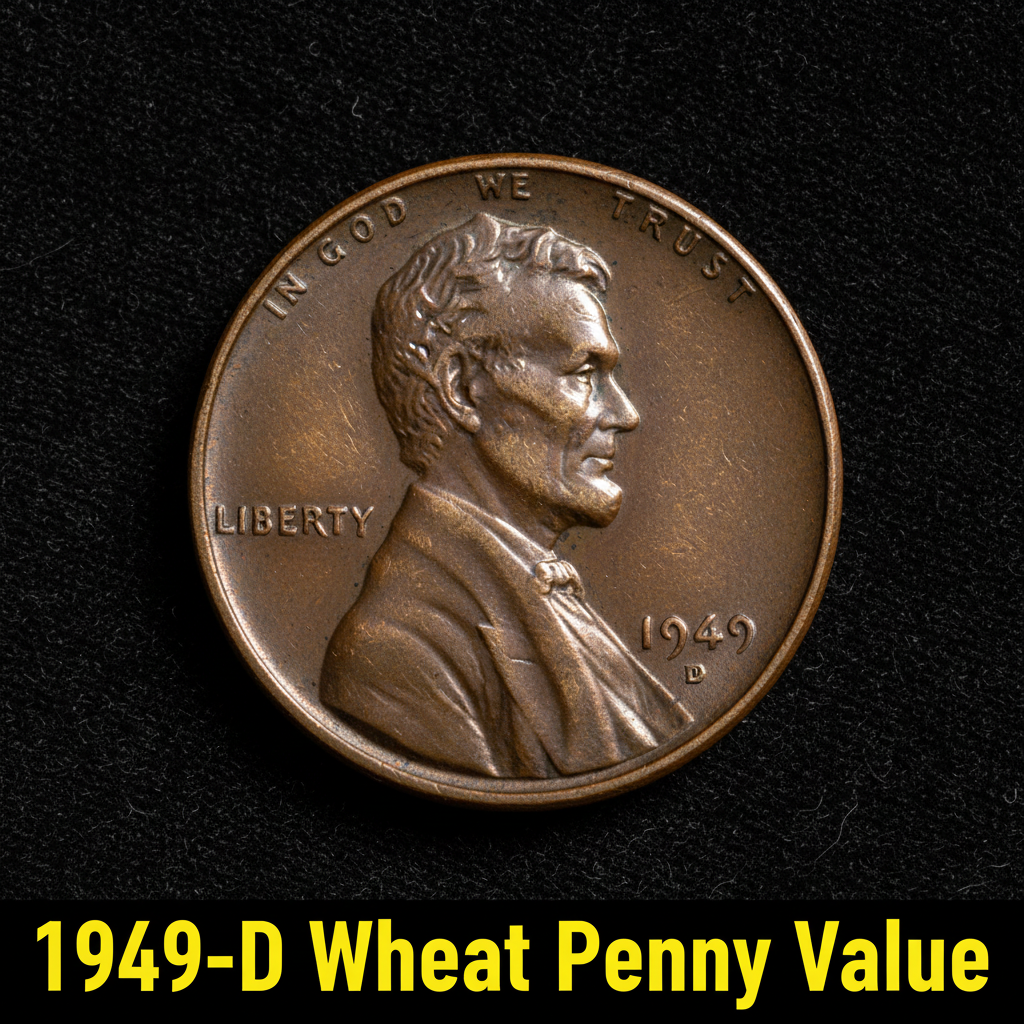
The 1949-D Wheat Penny was struck at the Denver Mint, which is indicated by the small “D” mintmark you’ll find on the obverse (front) of the coin, just below the date. Denver produced over 153 million of these cents in 1949, making it a relatively common date in circulated grades. However, that doesn’t mean it’s worthless — far from it.
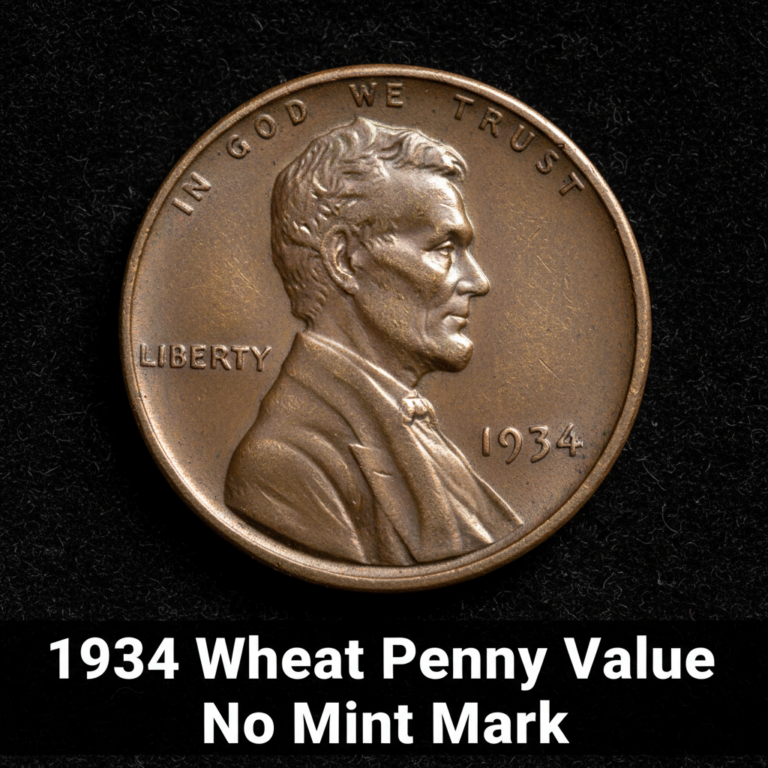
Like all Lincoln Wheat Pennies from this era, these coins are made of 95% copper, giving them a warm reddish-brown appearance that collectors love. The design features Abraham Lincoln on the front and the classic “ONE CENT” reverse flanked by wheat stalks — a design that ran from 1909 to 1958.
If you’re not sure exactly what coin you have, a free coin identifier app can help you confirm the mint mark, date, and variety before you start researching its value. Getting the details right matters when you’re trying to figure out what a coin is truly worth.
—
1949-D Wheat Penny Value by Grade
Coin value depends heavily on condition. A coin that’s been in circulation for decades will show wear on Lincoln’s cheek, hair, and the wheat stalks — and that wear directly affects price. Here’s a breakdown of typical 1949-D Wheat Penny values across different grades:
| Grade | Description | Estimated Value |
|---|---|---|
| Good (G-4) | Heavy wear, design visible | $0.10 – $0.25 |
| Fine (F-12) | Moderate wear, details clearer | $0.25 – $0.75 |
| Extremely Fine (EF-40) | Light wear on high points | $1.50 – $3.00 |
| Uncirculated (MS-63) | No wear, some bag marks | $8 – $15 |
| Gem Uncirculated (MS-65+) | Sharp strike, original luster | $25 – $75+ |
For the most current market pricing in mint state grades, you can review up-to-date 1949-D Wheat Penny MS Red auction data to see what collectors are actually paying right now.
—
How to Grade Your 1949-D Wheat Penny at Home
You don’t need to be a professional numismatist to get a rough idea of your coin’s grade. Start by examining it under good lighting — natural light or a desk lamp works well. Look at Lincoln’s cheek and the high points of his portrait. If the details are soft and flat, the coin has seen heavy circulation and will fall in the lower grade range.
Next, check the wheat stalks on the reverse. In a well-worn coin, the individual lines in the stalks merge together. In a finer example, those lines remain distinct. An uncirculated coin will show original mint luster — a cartwheel-like sheen when you tilt it under light.
Color also matters. Copper cents are graded as Red (RD), Red-Brown (RB), or Brown (BN). Red examples, which have retained most of their original copper color, command the highest premiums. A 1949-D Wheat Penny in MS-65 Red can be worth significantly more than the same grade in Brown.
CoinKnow is a popular app among hobbyist collectors that can walk you through grading basics and give you a fast estimate based on photos of your coin. It’s a great starting point before you take a coin to a dealer.
—
Errors and Varieties That Can Add Value
Most 1949-D Wheat Pennies you encounter will be standard issues, but occasionally, error coins turn up that can be worth much more. Here are a few things to look for:
– Doubled Die Obverse: Look for doubling in Lincoln’s eye, the date, or the lettering “LIBERTY” or “IN GOD WE TRUST.” Even minor doubling can add $10–$50 or more in value.
– Re-Punched Mintmark (RPM): Some 1949-D cents show a secondary “D” mintmark that was punched more than once at a slightly different angle. These RPM varieties are popular with collectors.
– Off-Center Strikes: If the design is shifted to one side and part of the coin shows a blank planchet, you may have an off-center error. A 10–15% off-center 1949-D with the date visible can fetch $25–$75.
Errors are best confirmed with a loupe or magnifying glass at 5x–10x magnification. If you think you’ve spotted something unusual, CoinKnow lets you upload detailed photos for a quick community-based review, which can help you decide whether to pursue professional grading.
For a deeper look at how condition and variety affect price, the complete 1949 penny value breakdown covers all three mints and provides helpful grading images for comparison.
—
Should You Clean or Hold Your 1949-D Penny?
One of the most common mistakes new collectors make is cleaning old coins. It feels natural — you want to see the coin at its best. But cleaning a coin removes the natural patina and surface metal, which permanently destroys its numismatic value. A cleaned 1949-D Wheat Penny that might have been worth $10 in original condition could drop to a fraction of that after cleaning.
If your coin looks dull or dark, that’s often original toning — and experienced collectors actually prefer it. Store your coin in a protective 2×2 flip, a coin sleeve, or an airtight holder. Keep it away from humidity, direct sunlight, and PVC-based plastics, which can cause chemical damage over time.
If you believe your coin is uncirculated or shows a notable error, it’s worth considering professional grading through PCGS or NGC. A graded and slabbed coin is easier to sell and typically commands higher prices. CoinKnow can help you navigate the submission process and estimate whether the grading fee will be worth it based on your coin’s likely value.
—
FAQ
Q: How much is a 1949-D Wheat Penny worth in average circulated condition?
A: Most 1949-D Wheat Pennies found in pocket change or old jars will grade between Good and Fine, putting their value in the $0.10 to $0.75 range. They’re common in worn grades, but they’re still 75-year-old copper coins worth keeping.
Q: Is the 1949-D Wheat Penny rare?
A: Not particularly. The Denver Mint struck over 153 million in 1949, making it one of the more common Wheat Penny dates. That said, true gem uncirculated examples with full Red designation are scarce and can be quite valuable to the right collector.
Q: Where can I sell my 1949-D Wheat Penny?
A: Options include eBay, local coin shops, coin shows, and online marketplaces like GreatCollections or Heritage Auctions for higher-grade coins. For everyday circulated examples, a local dealer or coin show is usually the quickest route. Apps like CoinKnow can also connect you with buyers in the collector community.