1934 Wheat Penny Value No Mint Mark What Is It Worth Today
The 1934 Wheat Penny with no mint mark is worth anywhere from $0.10 in heavily worn condition to over $50 or more in top mint state grades. Most coins you find in pocket change or old jars fall somewhere in between, making this a genuinely exciting find for everyday collectors.
If you just found one of these old Lincoln cents and want to know what it’s worth, you’re in the right place. A free coin identifier app can be a great starting point for quickly spotting key features and getting a rough idea of your coin’s grade before you dig deeper into valuation. That said, understanding the details yourself always helps — so let’s walk through everything you need to know about the 1934 Wheat Penny with no mint mark.
—
What Is the 1934 No Mint Mark Wheat Penny
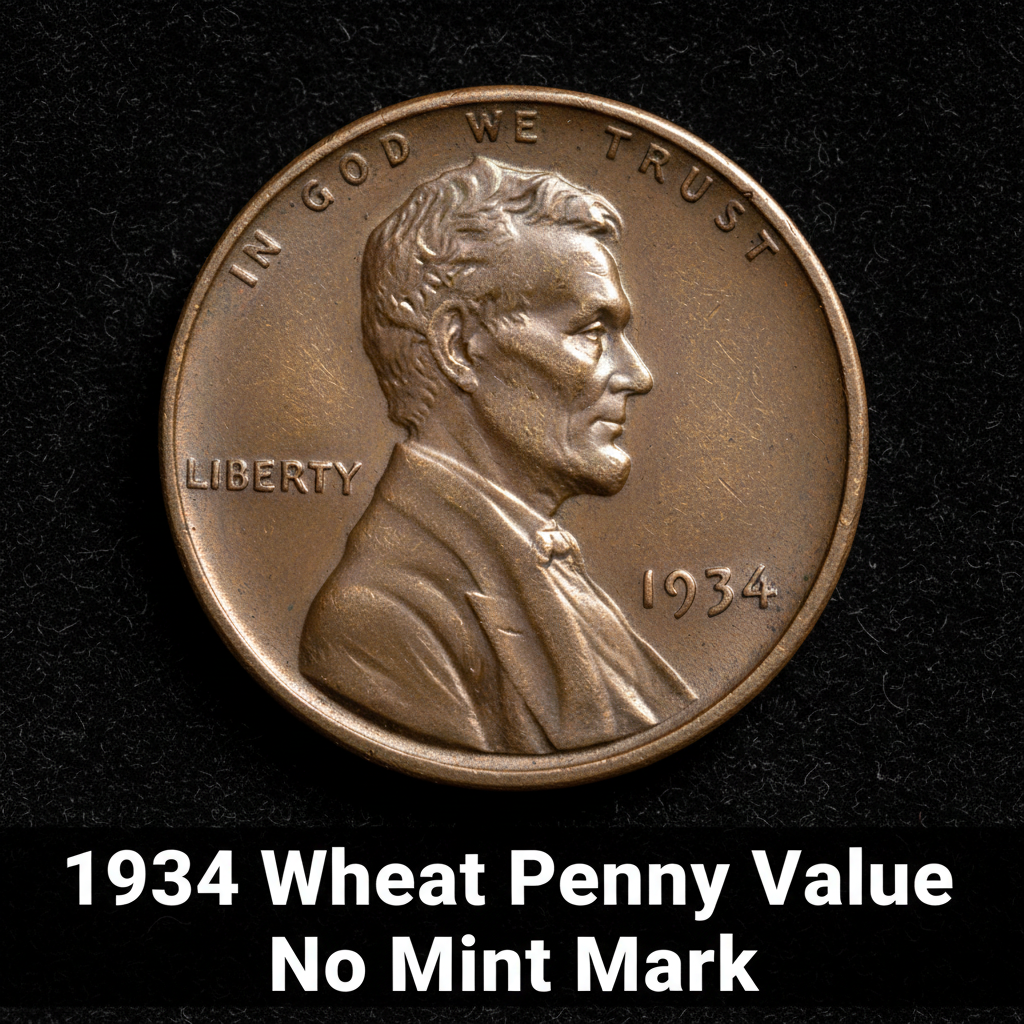
The 1934 Wheat Penny with no mint mark was struck at the Philadelphia Mint, which traditionally didn’t stamp a mint mark on its coins. That year, Philadelphia produced over 219 million Lincoln cents — a massive mintage that makes this coin widely available in circulated grades. Despite being common, condition is everything. A well-worn example might barely be worth a few cents above face value, while a crisp, uncirculated coin with strong luster can fetch real money from serious collectors.
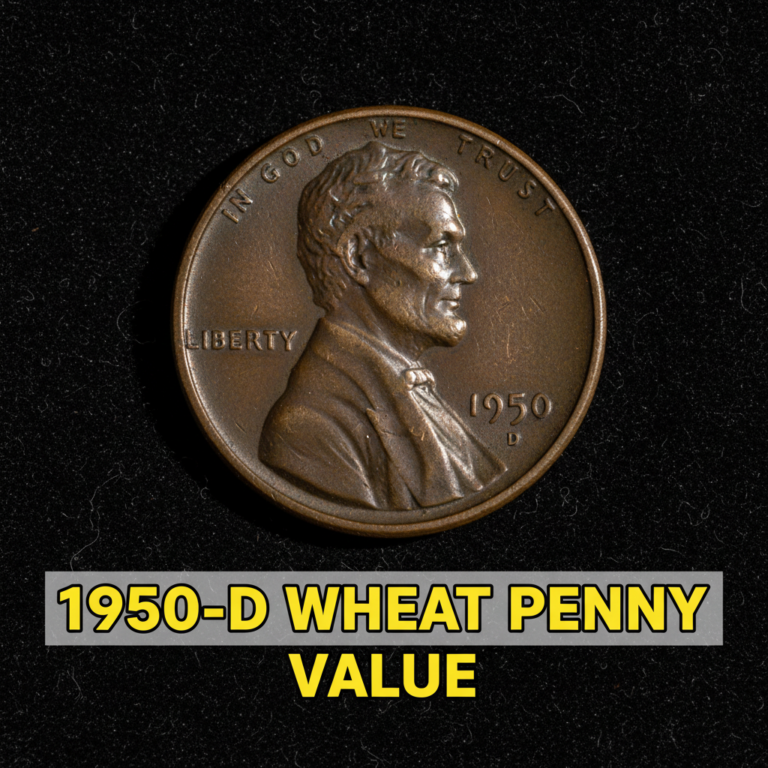
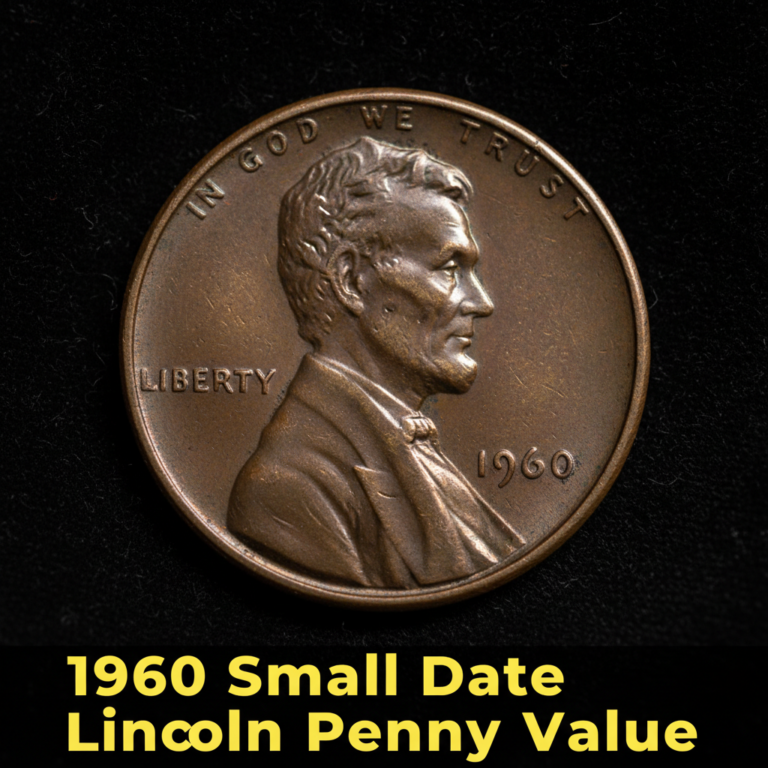
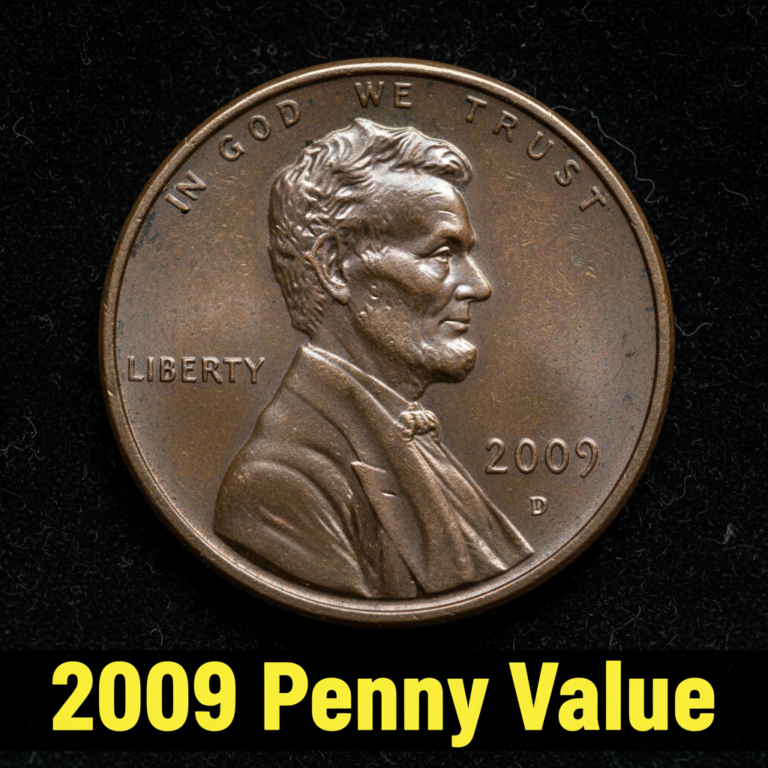
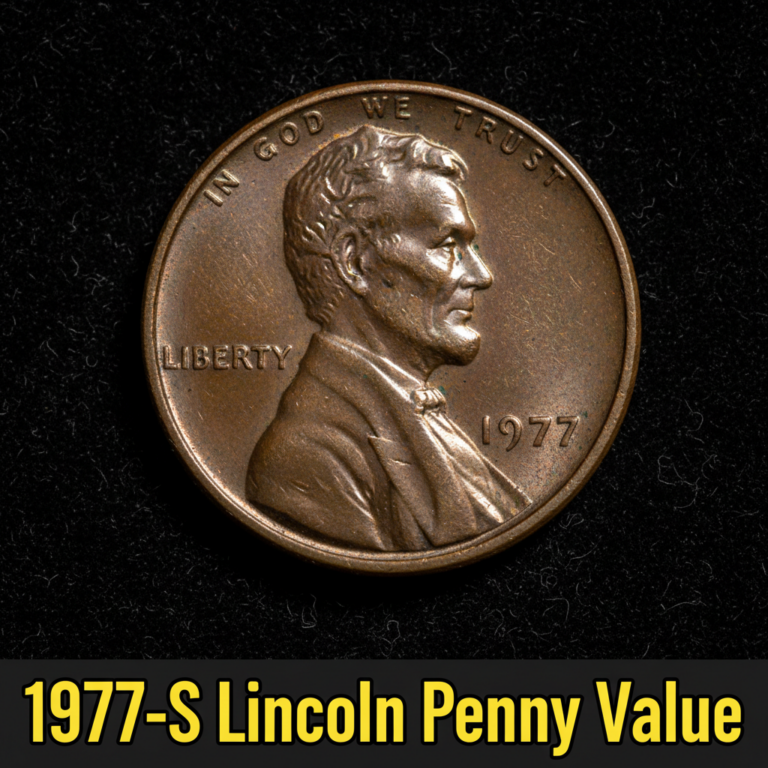
The coin features Victor David Brenner’s iconic Lincoln portrait on the obverse and two wheat stalks flanking the words “ONE CENT” on the reverse — the classic design that gave the series its name. The 1934 issue is considered a regular-issue coin with no known major errors that dramatically affect the base value, but it remains a foundational piece in any Lincoln Wheat Penny collection.
—
1934 Wheat Penny Value Chart by Grade
Coin value depends heavily on condition, or “grade.” Here’s a quick reference table to help you estimate what your coin might be worth:
| Grade | Description | Estimated Value |
|---|---|---|
| Good (G-4) | Heavy wear, flat design | $0.10 – $0.25 |
| Fine (F-12) | Moderate wear, details visible | $0.50 – $1.00 |
| Extremely Fine (EF-40) | Light wear on high points | $2 – $5 |
| About Uncirculated (AU-55) | Slight friction, original luster | $6 – $12 |
| MS-63 Red | Uncirculated, minor marks | $15 – $25 |
| MS-65 Red | Gem uncirculated, full red luster | $40 – $60+ |
For up-to-date auction results and certified coin sales, you can check the latest 1934 Wheat Penny MS Red price data to see where the market currently stands.
—
How Condition and Color Affect the 1934 Wheat Penny Price
When coin dealers and graders evaluate a 1934 Wheat Penny with no mint mark, they look at two things above all else: surface preservation and color designation. Uncirculated Lincoln cents are graded not only by their strike and contact marks, but also by whether the original copper color has survived.
– Red (RD): The coin retains 95% or more of its original mint red luster. These are the most valuable examples.
– Red-Brown (RB): The coin shows a mix of red and brown toning. Still attractive, but worth less than full Red.
– Brown (BN): The coin has fully toned to a brown color. Still collectible, but commands the lowest premiums.
For most people who find a 1934 Wheat Penny in an old collection or jar, the coin will likely be circulated and brown-toned, placing it in the lower end of the value range. That’s perfectly fine — circulated examples are still legitimate pieces of American history from the depths of the Great Depression era.
CoinKnow is a handy tool that can help you quickly assess both grade and color designation right from your phone, saving you a trip to the coin shop for an initial estimate.
—
Errors and Varieties That Can Increase Value
While the 1934 no mint mark Wheat Penny doesn’t have famous major varieties like the 1955 Doubled Die, there are still some error coins worth looking for. Doubling on the date or lettering, off-center strikes, and die cracks can all add collector interest and push a coin’s value above the standard price guide figures.
To spot these, use good lighting and a 5x to 10x magnifying glass. Look carefully at Lincoln’s portrait, the date, and the motto “IN GOD WE TRUST” for any signs of doubling or unusual die characteristics. Even a modest off-center strike of 10-15% can make a worn example worth a few extra dollars to the right buyer.
For a more comprehensive breakdown of how errors and condition combine to affect your coin’s worth, this detailed 1934 Wheat Penny value guide covers the key variables every collector should understand.
—
How to Get the Best Price for Your 1934 Wheat Penny
If you believe your coin is in uncirculated condition — meaning it has never been used in everyday commerce and still shows original mint luster — it may be worth getting it professionally graded by PCGS or NGC. Certified coins often sell for significantly more than raw (ungraded) coins of the same quality because buyers trust the independent assessment.
For circulated coins, options include selling to a local coin dealer, listing on eBay, or bringing it to a coin show. Keep in mind that dealers typically offer 50-70% of retail value since they need room for profit. CoinKnow can help you research comparable sales so you walk into any negotiation knowing what your coin is actually worth.
Cleaning your coin before selling is a common mistake — never clean old coins, as it destroys surface luster and can drop a coin’s value dramatically.
—
FAQ
Q: Is a 1934 Wheat Penny with no mint mark rare?
A: No, it’s not considered rare. Philadelphia struck over 219 million of these coins, making circulated examples quite common. However, high-grade uncirculated examples with full red color are harder to find and more valuable.
Q: Where is the mint mark on a 1934 Wheat Penny?
A: Mint marks on Lincoln Wheat Pennies appear on the obverse (front) of the coin, just below the date. If you see no letter there, it was made in Philadelphia. A “D” means Denver, and “S” means San Francisco.
Q: Should I get my 1934 Wheat Penny graded professionally?
A: It depends on its condition. If your coin appears uncirculated with strong original red luster, professional grading from PCGS or NGC could significantly increase its resale value. For circulated coins worth a dollar or less, the grading fee wouldn’t make financial sense. Use CoinKnow to get a quick preliminary assessment before deciding.